Category: Women in Sports

  • Defensive Excellence Q&A: Bianca Smith

    Defensive Excellence Q&A: Bianca Smith

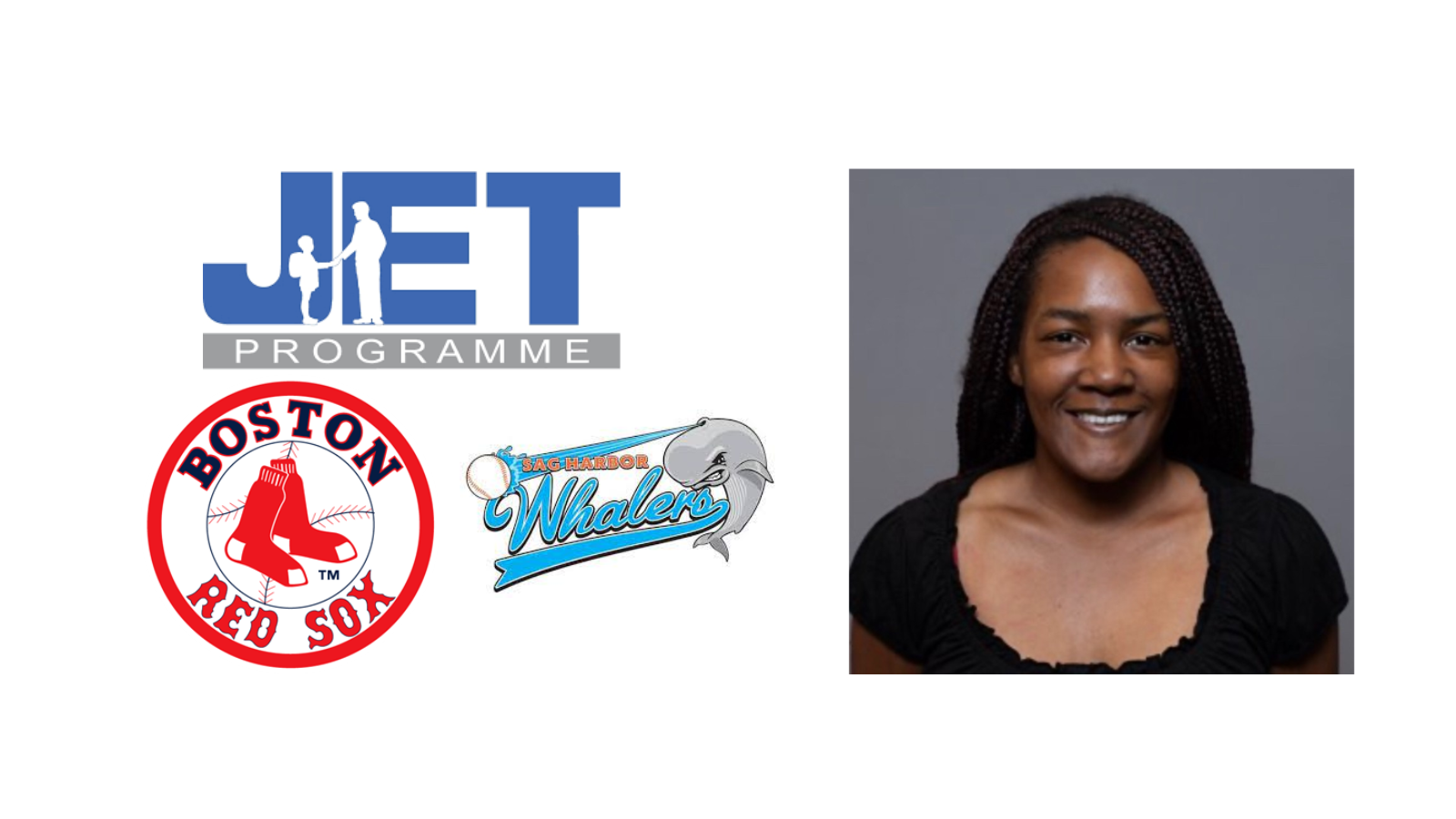
    Engage Bianca Smith in conversation about defense for a few minutes and you’re almost sure to think about the game in a different way when you’re done. We experienced that after talking to the former Red Sox minor league coach on Tuesday, just before she heads to Japan on a new coaching venture.

    Smith, the first African-American woman to be a pro baseball coach, has taught all aspects of the game, including defense, on the scholastic, collegiate, and professional levels. She spent two years as a coach at the Red Sox complex in Fort Myers and spent the last few months coaching a summer college team on Long Island. She’s a graduate of Dartmouth with an MBA and law degree from Case Western Reserve. You’ll get a good education in both the physical and mental side of coaching defense from reading this Q&A.

    This is the latest article in a series in which we’ve interviewed a diverse group of coaches about teaching defensive excellence. To read the others in the series, click here.

    This interview has been edited for clarity and length.

    Mark: What does defensive excellence mean to you?

    Bianca: It’s not quite like being perfect at defense, but it’s more giving 100% and knowing what you’re doing when the ball comes to you.

    Mark: Who taught you how to play defense?

    Bianca: I got the physical skills from my high school coaches.

    But the mental part I actually learned just from watching the game. I always put myself in the same position as whatever player was in my position and would go through the game as well, thinking about the situation and if the ball came to me, what would I do. That’s what prepared me for my games.

    Mark: How do you teach that and how do you teach defense?

    Bianca: A lot of it is experience, but I’ve also found just going over situations with players is going to be a lot more effective than putting them in the situations in games and just hoping they figure it out, which I’ve actually seen a lot of coaches do.

    They just kind of assume the players know. And I even found this out with the Red Sox. You get to the professional level and you assume that players know how to play and what they’re supposed to be doing. And a lot of the times, they actually don’t. So I spend a lot of my time as an outfield coach, probably more time actually, talking about situations, talking about defensive skills, rather than actually doing them.

    Once I actually explained it to them first, it was a lot easier for them to practice and pick up rather than just throw them out there and try to force them to figure it out.

    Mark: This isn’t meant to be critical of their past coaches, but is that due to where they were before, or is that due to instruction being done differently at different levels?

    Bianca: I think it’s more instruction being done differently. And like I said, I’ve seen it with coaches at higher levels. You just expect that either their previous coach or the fact that they’ve been playing so long that they already know this information. And when coaches come in with that assumption, you don’t coach it, and then they go off to the next level, and they still haven’t learned it.

    So, I don’t think it’s a lack of coaching. It’s more just that assumption that a lot of coaches have, based on whatever level they’re at. You just assume, oh, at some point they’ve learned this already, I shouldn’t have to teach them.

    So you don’t even bother bringing it up.

    Mark: Can you break down some of the things you teach and give us some specifics?

    Bianca: I’d say one of the most important things for outfield – it’s not as much the physical part.

    It’s knowing where to throw the ball and knowing how to throw it properly.  A lot of outfielders, no matter what level, they like to throw it as hard as they can because they’re trying to show off their arm.

    Giving them a situation where I explain to them that there’s a runner on base, so what is your goal?

    Are you trying to prevent them from scoring, or prevent them from moving and advancing, or are you actually just trying to get them out? Some players will say, yeah, we’re trying to get them out. Others will say they’re trying to prevent them from advancing.

    And I’ll explain it using statistics that, the majority of the time, outfielders are not going to actually throw a player out. That’s why outfield assists really aren’t as high a number as you would expect.

    And then I explain, imagine you’re in a game, you’re throwing as hard as you can, the throw technically gets to the base, but it’s too high. Or you overthrow it because you’re throwing as hard as you can because you’re trying to throw them out versus trying to just keep them from advancing. Now the runner is going to advance anyway.

    So, talking that through, explaining why we want to play a certain way, keeps them from going into a game and making those types of errors.

    And then, that’s when we start working on a long-hop drill, throwing to the base, where we’re trying to get the long hop. I’ve even had drills where half the outfielders will be in the outfield throwing, the other half will actually be fielding in the infield, to give them an idea of what it’s like to catch a long hop versus a short hop for the infielders.

    And then they really understand, okay, yeah, I need to do a long hop, because it’s a lot easier for them not only to catch it, but to apply the tag, if we do actually manage to throw them out.

    Mark: How do you get them to listen to you?

    Bianca: Ha!

    It depends on the age group, depends on the level. But one thing that I’ve found to be very effective in getting them to listen to me, but also in making sure that everybody understands what we’re working on, is that I don’t like to give drills that I haven’t tried myself at least once.

    I was never an auditory learner. If I hear something, I don’t retain it as well as if I either read it or I do it myself. So I’m a very hands-on learner. So I like to actually practice the drill before I tell the players what we’re going to work on and I show it at the same time. They learn it better, but they also have this understanding of, okay, she actually does know what she’s talking about because she’s done this before.

    I don’t believe every coach needs to have played the game. I do believe you need to at least be able to do some of the skills that you’re showing your players because it does help them, and it gives them a little bit more trust. I’m not necessarily gonna trust a coach who tells me to go run two miles, but they can’t even run a little bit. You do what you preach, pretty much. I’ve found that’s a lot of the ways that I’m going to gain trust from players.

    Mark: Do you do anything different for kids?

    Bianca: Kids are actually a lot easier to gain trust from.

    They just expect that you know what you’re talking about. But I approach it the same way. When you’re first starting out with players that you don’t know very well, you don’t know what kind of learners they are. As I get to know them a little bit more, I might change my coaching style based on what kind of learner they are, based on how they receive my coaching style.

    Once I start talking to them and get to know them, you also build trust that way because you’re just learning about them as a person versus just them as a player.

    I know the moment that I’ve really gained trust from a player is when they start asking me stuff that doesn’t have to do with baseball.

    Mark: How do you overcome the gender gap?

    Bianca: Never really had to.

    I think we’re at that point now, at least in baseball, where most players don’t really care. whether you’re a man or a woman.

    It’s funny because I would have boys and girls in my camp, and one of the girls would throw a ball really well. One of the boys would go, oh my gosh, I can’t believe she’s a girl and she could throw a ball. And I’m just looking at him thinking, you do realize that your coach is a girl, right?

    Mark: How do you talk to a potential outfielder about knowing when to leave his or her feet?

    Bianca: That’s been a fun one because I’ve had this conversation quite a bit. At least with the players that I’ve worked with, most of them are too afraid to leave their feet because they’re scared of messing up.

    So I explain it that if you think there’s like a 95% chance that you think you can catch that ball, I want you going for it. The only times you wouldn’t is if it’s a sharp line drive, you’re playing left field or right field and you’re diving towards the foul pole or foul line. Because if you miss that, that’s going to get way past you.

    If it’s in the gap,  I actually prefer them diving, even on a sharp line drive. If we’re teaching them right, your center fielder is backing you up. The center field basically has free range, meaning if you’re diving either way, hopefully the other outfielder is backing you up. So that, I don’t mind at all.

    I would rather them dive and at least try for it, than see a bloop single land in front of them that they could have caught. We actually practice just backing up. I will have two guys go out at the same time, put a ball in the machine. The guy in front will pretend like he missed it, and the guy behind has to actually back him up.

    So they have to figure out: How far am I going to be away from my other outfielder so I can be there in case he misses the ball?

    I’ll go over situations depending on, what runners are on, are they fast, what’s the score, what’s the inning? Is this a do-or-die play or is this a situation where if you dive, you catch it, we win the game? If you don’t dive and it drops, they’re gonna win anyway, so you might as well dive. I make sure that we’re gonna go through every situation. And if they do dive in a situation that I don’t think they shouldn’t have, I just bring them back in after the inning’s done, we talk about it, and then they learn from it.

    But I try to make sure players know I’m never gonna be upset with you giving 100% and diving for the ball. I’m gonna be more upset if you didn’t try at all, the ball drops and now they got a hit.

    Mark: What about teaching the technique of getting under the ball when you dive?

    Bianca: We had to do this even with the Red Sox because diving is something that’s not really practiced because of injury prevention.

    We make sure to do some kind of progression. I remember this is how I actually learned diving in the outfield and became more comfortable with diving and sliding.

    It’s just starting from your knees, actually even just starting in a diving position so you understand where to put your hands, how to keep your body up a little bit so you’re not face-planting when you dive or keeping your wrist from rolling under you. Then going from your knees and just trying to kind of get comfortable with landing on the ground.

    Then we start getting to a position where you’re going from your feet and then you’re running. We might use a diving mat or sliding mat. I ran a camp for a summer collegiate team just a few weeks ago, and we worked on sliding on a slip-and-slide. So, now that’s something I bring up with the kids, especially if it’s hot out.

    They have less of a fear of sliding now, and they’re just getting familiar and comfortable with their bodies to the point where eventually, it’s just going to become natural in a game, and they’re not thinking about it, they’re just going to do it. As soon as they start thinking, that’s when you’re risking injury, because then your body tenses up.

    Mark: Do you teach jumping at the wall too?

    Bianca: With kids it’s more just finding the wall. But as they get older, we’ve done that with the Red Sox where we have a drill where they’re not just finding the wall, they are trying to actually judge it and see if they can jump and just protect their bodies so they’re not getting hurt.

    Mark: On your website, you had a one-line reference in your ‘About Me’ section to playing soccer and dancing as you grew up. I’m curious if you have any favorite drills to teach footwork that mimic either soccer or dancing movements.

    Bianca: So, it’s not really a drill. I haven’t done it yet. I’ve brought it up once and it kind of got laughed at. But the idea that in baseball, you need rhythm. Because no matter what you’re doing, whether you’re hitting, you’re on the bases, you’re in the field, you’re dancing with the pitcher. That’s your timing.

    And I saw one team who actually warmed up with music and danced. I thought that was a great idea and that’s something I would love to do with a team. But I know it seems a little weird until you start to explain how you’re dancing with the pitcher.

    It’s literally just rhythm. You start to see it with guys when they can’t dance or they don’t have rhythm. It makes so much more sense when you see them either hitting or in the field trying to work on their pre-pitch. Because you try to tell them your pre-pitch is just going off the pitcher. But then their pre-pitch is off.

    I’m [thinking] okay, that explains so much and we can try to just work through that. But that’d be one drill. It’s not really a drill. It’s more the warm-up. But it’d be one thing I definitely want to incorporate, trying to get that rhythm and everything going at the same time.

    I love looking at other sports and trying to incorporate things that we can use for baseball. You can talk to any of the players that I’ve had in the last few years. I’ve introduced bunting with a lacrosse stick. And I love doing that. When I teach guys tracking the baseball, we do football routes. We would have the coaches actually throw footballs We put the cones out there and they’re actually just running routes.

    I’ve looked at hockey for hitting a slap shot is very similar to the body movement you use with your hips when you hit it. The same thing with golf. I’ve even started looking at volleyball for pitching and throwing. One of my brothers plays volleyball and we’ve gone back and forth about how to strengthen up his arms. It’s very similar to how pitchers do it.

    So looking at other sports, it’s fascinating how similar the movements still are.

    Mark: What about soccer?

    Bianca: This is a little different. It’s not a physical defensive skill. It’s something that I’ve also found interesting with the Red Sox. It’s not like it’s not taught, but it’s one of those things that you assume that they already know. Simple communication in the outfield, which could make a huge difference on whether a ball is caught or not.

    So rather than do your typical drill where you have two lines, you hit a ball in the gap and have them call for it, I had them juggling a soccer ball amongst themselves and calling for it.

    Anybody who was at the Red Sox complex in my first season (2021) has done the soccer ball drill.

    The first week or two that we had games, they weren’t really talking in the outfield.  They were catching balls, but it bugged me, because I’m saying there’s going to be a point where there’s a ball in the gap, nobody says anything, and you’re going to collide. Or, you’re going to think the other person has it, you’re going to back off, and nobody’s going to catch it.

    So I said okay, we’re working on this drill. You guys need to be loud. I want to hear you be loud. I want to know who’s actually got the ball. And it gave them an opportunity to kind of break out of their shells and just have a little bit of fun while still working on something that’s really important in the outfield.

    And it became a competition because if they called for it and they missed it, they’re out. We assigned our normal center fielders, they were the center fielders of the circle that started with all our outfielders lined up LF, CF, RF, LF CF, RF. You had your three outfielders and the center fielders had priority and everybody knew who the center fielders were, but they had to call for the ball. As players “lost,” they came out of the circle.

    I did see guys become a little bit louder in the outfield after that.

    Mark: What’s the hardest thing to teach defensively?

    Bianca: Actually throwing the ball.

    Because you don’t want to fall into that cookie cutter that you have to throw it this way. Just because [your arm slot] looks bad doesn’t mean they’re not doing it effectively. Some guys are more comfortable from sidearm. Some are more comfortable from three quarters. It’s all over the place.

    Mark: What’s your favorite thing to teach on defense?

    Bianca: Diving and sliding. I still do figure four slides when I’m shagging balls during BP. And the guys get really excited if I actually do manage to catch one.

    I love being able to teach that because I think once you get into their heads that it’s okay for them to dive and slide, their aggressiveness in the outfield just shoots up and it’s so much more fun.

    Mark: Anything else you would like to say about coaching defense?

    Bianca: Anybody following major league baseball now, they see the rule changes. Defense is so much more important now than it used to be and yes, offense is important. I understand that too. I was a hitting coach.

    So. being able to rely on defense, especially now that hitters are gonna have to focus more on just driving the ball, getting hits versus just hitting home runs means you have to be able to field the ball properly. You have to be able to throw the ball in. You can’t risk errors.

    Defense and baserunning were my bread-and-butter as a player. That’s why it’s so important to me.

    Mark: You’re headed to Japan – this week actually. Thank you for talking to me. What’s the coaching opportunity you have overseas?

    Bianca: Japan started this program called The JET Program in the 1980s where they would send English speakers over to teach English in their schools. The last decade or two they’ve started including sports coaches. There are 10 of us in the whole country compared to something like 3,000 English teachers.

    The baseball position opened up in February. It was perfect timing. I found out that I got it in May, so I’ll be heading over and living in Higashikawa, which is the center of Hokkaido, the northern island of Japan and I will be coaching elementary and junior high students from 5 to 15 years old. It’s kind of like their local Little League team. It’s a really good team. I do know that. And I found out the elementary school program has 52 players on the team.

    It’s been on my bucket list forever to be able to work in baseball in Japan. I’m incredibly excited. I’ve loved the culture and the country since I was a teenager. A goal of mine is to coach an NPB team someday.

    So I’m merging my three loves: baseball, Japan, and traveling.

    This is the latest article in a series in which we’ve interviewed a diverse group of coaches about teaching defensive excellence. To read the others in the series, click here.

  • Defensive Excellence Q&A: Alex Oglesby on Coaching Girls’ & Women’s Baseball

    Defensive Excellence Q&A: Alex Oglesby on Coaching Girls’ & Women’s Baseball

    Alex Oglesby has 25 years experience coaching baseball so she’s the ideal person for us to talk to in our latest Q&A about teaching defensive excellence.

    Alex is the first in our group who works largely with girls and women’s players, coaching them from Little League to the national level. She’s the president of Evolution Girls Baseball in the San Francisco area and is also an assistant coach for Team USA’s Women’s Baseball Team.

    Alex played boys’ high school baseball then played two years in the late 1990s in the Ladies Professional Baseball League. As a 17-year-old catcher, she was league Rookie of the Year and Defensive MVP.

    Alex shared her origin story and lessons she’s learned that she passes along to the next generation. The interview has been edited for clarity and length. Click here to see our other interviews.

    Alex: I actually did start with girls softball and a little bit opposite of most girls these days. They start with baseball and transition over to softball.

    I did the opposite and I started with softball and then got the opportunity to play high school baseball. And from there, I just fell in love with it. I declined some college scholarship offers, which in hindsight probably wasn’t really smart, but it worked out great for me. And then right out of high school there was a women’s professional league that started.

    I was lucky to get to play in that. At the beginning of my college years I met a lot of different people playing women’s baseball that I had no idea even existed. And then I got to represent the USA Baseball National Team for the first World Cup.

    Mark: When you were first learning to play, how did you learn the defensive side? 

    Alex: I started playing softball because my friends were doing it.

    Nobody raised their hand to be a catcher. And I thought, I guess I can catch the ball. I really had no idea what I was getting into. And I put the gear on, they put me back there and I started catching and I went home and told my dad and then found out that my dad actually was a catcher.

    My dad (Ed Sickinger) played minor league baseball with the Giants. And he had a huge baseball background, but I just never really was interested enough, I guess, to ask all the right questions of him. As I started catching, he really truly just had an old school train of thought and didn’t know girls what girls could play or what they did in athletics.

    So it was new to him too. He was my first true coach in the sense of teaching me the skills I needed, and I just really loved it. I loved being in the action of the game. The first thing he taught me was you just don’t let the ball get by.

    You just, whatever you do, your job is to block that ball. Whatever after you have to use, whether it be your arms, your mask, your legs, your glove, whatever it is, you just know, don’t let the ball go by you. I think that was my first lesson in defense as a catcher and as a ballplayer.

    And then it just blossomed from there. I just always will remember my dad telling me a passed ball is a run, a passed ball’s a run. That was forever drilled into my head. And even if there were no runners on and the ball got by me, in my head, that was a passed ball.

    So it could be a wild pitch, it could be whatever you want to call it. And it didn’t even have to go down in the scorebook as such in my head. Somehow a run was gonna score if that ball got by me. I’m not gonna let my team down, and that ball was not gonna be by me.

    Mark: You were the defensive player of the year when you were 17 in that women’s professional league.

    Was that for your blocking, was that for your basestealing prevention? Was that for your framing? What was it for? 

    Alex: I think my blocking was my strong point. Having a passed ball was like the end of the world to me. 

    With that, I gained a huge trust in my pitchers. And they knew that they could keep the ball low, right? I framed really well. I received really well. I think runners didn’t really steal off me, but it wasn’t because of my arm’s strength as much as just my quickness and agility.

    But my strength was for sure my blocking and receiving. 

    Mark: How do you now teach defense to kids? 

    Alex: Relearning how to coach catching took a lot of research on my end because it’s changed so much over the last five years. However, one thing remains the same. You don’t let the ball go by you.

    So your goal is to not let the ball go past you and to help your pitchers through the game. I’m really trying to pass that on. My son actually catches as well. I’ve had a fun time getting to have similar conversations with him as I have my dad.

    With every kid that I coach that catches, it’s really a lot of conversations about, okay, if this, then what? And helping them to think through the game. 

    My background is in teaching physical education. And I love teaching and coaching through guided discovery in the sense of letting them figure it out and guiding them towards the answer versus just telling them what to do.

    Your best catcher is one that really knows the game. They’re your eyes and ears and they’re your other coach out there, essentially. Being able to get them to start thinking about the game in that perspective is going to be one of the best things that you can teach them.

    If they can think on their feet, if they can direct the game, if they can handle a pitcher and help them through the game without you having to do all of that that’s gonna make them ultimately the best. 

    You are to not let that ball get past you. We want to block the ball even when there aren’t runners on, because we want your pitcher and your umpire to trust you. And then teaching the skills that go with that. 

    Mark: Do you coach infielders or outfielders too or are you almost exclusively catchers? 

    Alex: I do coach other positions. I have two sons. I coach their Little League teams as well as help out with their travel ball team. And then I also have our Girls u-18 team.

    And then I coach with the USA national team. With the women’s national team, I’m predominantly the catching coach, although we all really work together in that environment. With infielders and just overall defense, let’s just say team defense.

    Mark: What does defensive excellence mean to you?

    Alex: That aspect, is as much to do with mental as it is physical, really talking to the players about knowing the play ahead, being ready every pitch, and wanting the ball to be hit to you. And then just consistently making the routine plays.

    So that the physical side of it being the how do you make those routine plays consistently, but also not being afraid to fail on the extraordinary ones. And I teach this with the catchers as well, I really feel like if they’re afraid to take risks out there and try new things they’re never gonna grow from good to great.

    So take the chance, charge the ball, throw on the run, backhand the ball, dive for the ball, do the things that are gonna push you out of that comfort zone. As catchers, it might be back picks to first base and things like that. Even pickoffs at third. I want them to try those things, especially when they’re younger.

    They can get good at it in a situation where either the game’s not on the line or your livelihood isn’t on the line as a professional player. I want them to practice those things. I want them to fail or know it’s okay to fail because that’s just gonna get you closer to success.

    Mark: Do you have any favorite drills? 

    Alex: Blocking drills and just going through progressions all the way through. Whether they are very beginner stages or advanced, I think it’s important to make sure that you start and progress up. Obviously a more advanced player is going to be able to progress quicker through those.

    But I think it’s important to make sure that they get their work in and don’t forget the basics. With the younger players, pushing them a step past what they’re capable of, so that they have something to work towards in the progression. 

    When it comes to infield, I guess the easiest way to say it without showing it, is getting them to imagine the field less in the line from second to third. Getting them understanding they can get depth on the field and take different routes to the play that aren’t just straight-across right and straight-across left. Getting them to understand that they can work the field in a different way and imagine it less linear is huge for the younger player and then that allows you to work on different routes and paths and footwork to the ball. 

    I really feel like teaching them from the feet up is huge. So if you’re able to teach them good footwork, usually their throws are gonna be more accurate, their glove’s gonna be more relaxed. I love doing footwork drills and working on the path to the ball. 

    Mark: Okay. Is there something that someone who coaches boys could learn from watching someone who is coaching girls?

    Alex: That’s a really interesting question. We have some different girls’ events with MLB and USA Baseball, where we have a mix of female coaches, whether they are with USA Baseball, or MLB players that coach with us.

    We always say that we are the the hidden gem of baseball just because they just don’t know about us. They come out there and they absolutely love it and are blown away by how much these girls want to learn and how driven they are.

    The one thing that I find myself having to teach some of the girls is how aggressive they can be. And if I were only coaching boys and then going over to coach girls, I think having that same expectation of the girls that I have for the boys is important. Not just setting the bar lower, keeping that bar high for the girls. Always put the bar up higher versus just being like, oh, it’s a girl.

    I think the guys never know what to expect when they come over and they leave elated because these girls want to play, they want to push and they’re good. Then they realize, wow (the girls) are great students of the game.  They want to learn, they want to get better and they are already really good.

    Mark: Is there a player or former player you’d like to shout out?

    Alex: LaTroy Hawkins has been one of our biggest fans and biggest advocates. His approach with the women and the girls and just holding them in a high regard. while at the same time having the utmost respect for them. He’s the former player that would stick out for me.

    He’s approachable and open to helping us learn when we have questions. I’ve seen him do that at multiple events.

    Mark: What’s the hardest thing to teach?

    Alex: With the girls I think most of the girls are playing with boys. When the girls come out, they’re used to being in this position where they can’t mess up. If they mess up on the field, it’s because ‘she’s a girl.’ 

    Letting them not be afraid to fail. They don’t need to be perfect out there. The hardest thing is to get them away from that [be perfect] mindset.

    Mark: How do you coach the catchers on the women’s national team?

    Alex: A lot of them have been playing at a very high level for a long time, and with them it’s about fine tuning and also working with them completely differently.

    A lot of it is, how are you feeling? What things would you like to work on? Where can we, how can we work together? Maybe it’s hey, I saw this, or would it be helpful if we took this approach?

    You’re still gonna work through the fundamentals of doing drills and doing things that are gonna sharpen their skills and keep ’em sharp.

    We only get to be with them for a very short amount of time. We have our tryouts and trials, and then we get a week to train together as a team before we’re off into competition. There’s not a ton of time to get a lot of work in, but we continue our relationships off the field.

    Throughout the year. We see each other at different events as coaches together. For example, at the USA Baseball Trailblazer event. That is an event where we have girls who are 11 to 13 years old coming out, and a lot of our USA National Team are there as coaches.

    And we can have conversations throughout the year or send videos. I’ll get videos of some of our catchers saying to check out what they’ve been working on.

    Mark: Have you seen or learned anything from international baseball coaches of women’s teams? Like, did you learn anything by watching the Japanese women’s baseball team or the other countries that are involved? 

    Alex: I’m always a student of the game and I love watching. I love people watching in general, but especially in baseball and when there’s a language barrier, it’s interesting how much you can pick up.

    I recently got to go to Australia to coach. And there were players and coaches from Japan players, players from the Netherlands, and players and coaches from Australia. The girls were mixed up on the teams, so you had girls from Japan, Australia and the U.S. together. It was really fun. What I enjoyed was seeing how much everyone values the teamwork aspect. A ‘we game’ versus a ‘me game’ was consistent across the board.

    Mark: Last question: What advancements do you think we’ll see from this generation of young women’s and girls baseball players?

    Alex: I’ve definitely noticed the level of play has risen across the board. It’s not so much that the top player now is higher than the top player 10 years ago. It’s more that we’ve got 20 players at the top level versus one.

    I think that it’s become more accepting for girls to be on the field. There’s still a lot of work to be done to educate people on how many opportunities there are for girls in baseball, but I think as that education continues and as more girls continue to play longer, into high school and into college I think that we’re going to just see that level of play go up.

    Click here to see the other interviews in this series.

  • Celebrating Women at SIS

    Celebrating Women at SIS

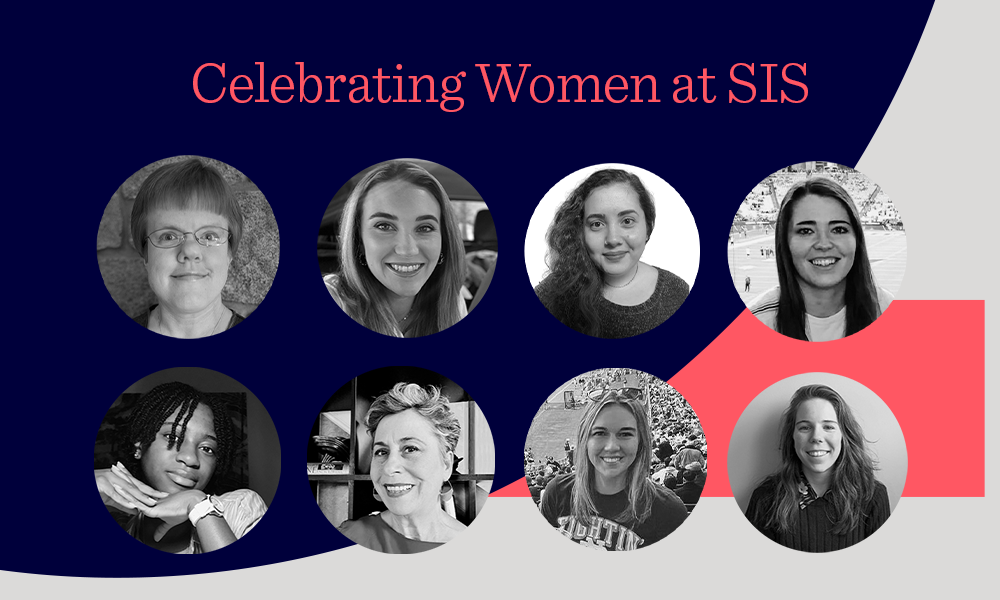
    On the final day of Women’s History Month, let’s introduce you to the women of SIS. They’re an integral part of all different areas of operation – from watching film to inventing stats, to building products, to making sure everything runs smoothly, and much more.

    Lauren Baksa – Bath, PA, Accounting Associate, 6 months at SIS

    What do you do in a typical day? I process invoices, reconcile bank statements, assist with payroll and various other accounting duties as needed.

    What’s the best part of the job? Working with individuals with various backgrounds.  

    What’s the favorite thing you’ve worked on so far?  I really do not have one favorite thing that I have worked on.  I have enjoyed all things that I have worked on so far.

    What’s the hardest part of your job?  Reconciling payroll in ADP with Quickbooks.

    Why SIS?  I worked in the Healthcare field for over 20 years.  Due to life-changing circumstances, I found Healthcare was no longer a good fit for me. I thought I would branch out and since I like sports, I thought SIS would be a good fit. 

    What’s a fun fact about you?  When I was a kid I went to a lot of Phillies games.  At one game my parents arranged for me to meet the Philly Phanatic.  I got to sit on his lap and as a kid this meant the world to me.

    Kelsea Benoit – Central Massachusetts, Marketing Specialist, 6 months at SIS

    What do you do in a typical day? Each day is different in marketing! Typically, I’ll take a look at my project board and address any top priority projects first, then meet with various departments to determine their marketing needs. This could range from writing a press release, drafting a marketing plan for a product launch, creating graphics to support our social media efforts, and everything in-between!

    What’s the best part of the job? Getting to connect with people from every department! It’s exciting to hear about how each team operates, the products they’re bringing to market, and their passion for sports. SIS and our products have grown so much since I started, so getting to witness that and connect with the people who make it possible is amazing.

    What’s the favorite thing you’ve worked on so far? The SIS rebrand! The project was huge and is still ongoing. It’s been great to tie together exciting pieces with new ideas under the same umbrella with the new brand guidelines.

    What’s the hardest part of your job? Prioritizing requests from different departments. There are so many exciting things happening from new partnerships to new products across each sport, it can be tough to determine which project to tackle first. I want to be sure to give each project the attention it deserves and deliver campaigns in a time that makes most sense.

    Why SIS? Two major things: my love for sports and the start-up feel of the company. I’m a HUGE sports fan – football and basketball being my two favorites. So being able to tie my love for sports and love for marketing into one position has always been a dream. And, while SIS isn’t a start-up, with the rebrand and additional sports and products, it feels a bit like one. I love the challenge of wearing different hats that a start-up-feeling company brings.

    What’s a fun fact about you? Outside of my job at SIS, I’m also a family photographer! I took a bit of a break after my baby was born in January, but I can’t wait to get back at it this Spring and Summer!

    Barbara Jewell – from Belem, Brazil, currently resides in Timnath, CO, Product Designer, 5 months at SIS

    What do you do in a typical day? In a typical day I go through any particular step in the product design process, whether it’s conducting an interview, reviewing product requirements, ideating a solution, wireframing, or testing a product that SIS will build.

    What’s the best part of the job? The best part of the job is that I get to mix data and creativity to create something people will use. 

    What’s the favorite thing you’ve worked on so far? The NBA Data Collection Tool. The basketball folks were a pleasure to work with, and I can’t wait to see the final product.

    What’s the hardest part of your job? The hardest part of my job is adjusting to constraints when designing a product. Constraints can range from a tight timeline, engineering resources, budget, prioritization…

    Why SIS? The combination of a sports-focused company with a start-up feel are very appealing to me! Also, seeing how knowledgeable, collaborative, and passionate my coworkers are is inspiring.

    What’s a fun fact about you? Born and raised in Brazil, make a mean brigadeiro, and a lifelong tennis player.

    Rebecca MaWhinney – Midway, Utah, Basketball Operations Associate, 1 year at SIS

    What do you do in a typical day? I ensure our basketball operations run smoothly. I mainly focus on the NBA side and making sure our data is the highest quality possible, which includes a lot of time spent watching basketball (a dream). I also work with our scouts to ensure we are constantly improving and pushing each other to be the best we can. I am also currently working internally on a new project within basketball that I’ve been quite passionate about.

    What’s the best part of the job? The best part of the job is working so closely with people who know and think the game at such a high level. It has pushed me to understand the game more than I ever thought I would.

    What’s the favorite thing you’ve worked on so far? The development of our NBA product. The public is just now starting to see some of the things we have been working on, but there are so many people that have been working towards this product for a while. It’s awesome to see some public recognition for that hard work.

    What’s the hardest part of your job? SIS does a great job at encouraging the employees to think big picture and push the envelope. I am someone who gets very focused on what I am currently doing, so it’s been a challenge to push myself to pursue the “big picture” projects that might not see immediate gratification.

    Why SIS? I’ve always enjoyed basketball and understood it to a certain point, so I applied for the Video Scout position. I really enjoyed the people I was working with and the work I was doing, so I jumped at the chance to come on full-time, and here I am! 

    What’s a fun fact about you? I got really into Survivor during the pandemic. I watched ~20 seasons during 2020 and have been watching the current seasons as they come out. Although I think I would be too trusting to make it far if I went on the show myself lol.

    Danielle Moore – Lorton, Virginia, Basketball Video Scout, 5 Months at SIS

    What do you do in a typical day? In a typical day, I watch 3+ hours of college basketball film and scout different draft prospects (current and old) using our tagging framework. My day typically starts around 12:00pm or 12:30pm and then I like to be done by 7:30pm, but that’s not always the case. If I’m scheduled to watch an NBA game that night, my day will end a little later.

    What’s the best part of the job? The best part of the job is being paid to watch and scout basketball for majority of my day, and knowing that my work is valuable to the company. There are very few places where you’re offered the opportunity watch basketball as often as I do at SIS.

    What’s the favorite thing you’ve worked on so far? So far, my favorite thing would have to be working on the 2022 draft class. It’s fun to see the different skills each prospect has and trying to figure out if or how their game will translate to the next level.

    What’s the hardest part of your job? I would say the hardest part is finding the balance between being very detailed when I’m 2nd-passing games and making sure I’m not overdoing it with some of the labels. Also, making sure that while I’m watching a clip of a prospect, that I’m not just trying to find something because I feel like something should be there.

    What’s a fun fact about you? I can play 2 very different instruments: the euphonium and saxophone. I’ve been reading music since the 4th grade, and I’ll probably never forget. I can read music in treble and bass clef.

    Carol Olsen – Whitehall Twp., PA, Office Manager, 8 years at SIS

    What do you do in a typical day? The position “Office Manager” covers a lot of ground. The day starts with E-mails and any communication sent to me by staff. The tasks completed in a day range from building maintenance issues, like snow removal or the cleaning crew to helping an employee with his/her medical benefits or their pay to administrative tasks like payroll item, a visit to the office retrieving mail, banking, budgeting and maintaining office supplies. On any given day, I will take care of some or all of these items and everything in-between.

    What’s the best part of the job? I love to help the staff, answer questions and resolve issues they run into. Sometimes we’re busy with other things, but I usually will take the time out to help right away with their concerns. I want to eliminate the frustration. This is very satisfying to me.

    What’s the favorite thing you’ve worked on so far? I have always loved coordinating employee engagements; birthday celebrations, cooking contests, trivia nights, picnics, the holiday party, etc. With COVID this area has been challenging, but luckily, our new HR director, Matt Bergey is killing it, kicking off some virtual contests and events and I get to assist!

    What’s the hardest part of your job? Adapting to the remote work environment has been challenging. Dealing with multiple state with business registrations & taxes is testing my patience, for sure and the lack of in-person staff interaction is difficult, but being able to use apps like Teams to make a virtual call really helps.

    Why SIS? I have been doing office administration for a long time. When I moved to PA, I looked for something closer than my long commute to NJ. SIS was close to home and I was fascinated by what SIS was doing with sports analytics. The people were talented and passionate and I loved the family-like atmosphere. The job grew from answering phones and opening mail part time to a full-time position. I’ve enjoyed watching the company grow up over the years!

    What’s a fun fact about you? My love of musicals began when I was 4-5 years old, when my dad took my family to see the movie, “The Sound of Music”. NYC was just 30 miles away from my NJ home, but was not affordable with 6 kids. In the 60’s, musicals were aired on network TV and my family would watch them together (the reason that we can sing the entire score of them, word for word). This past Christmas, the remake of “West Side Story” was released in theaters, and there we were, glued to the screen. A trip down memory lane.

    Cassie Sosnovich – ​From New Jersey, currently lives in Scottsdale, AZ, Product Owner, ​7 Months at SIS

    What do you do in a typical day? Plan, Communicate, ​​Organize is my 3-word summary. I am the gatekeeper for ideas and requests that come from those outside of Engineering/Product to create a short and long future Roadmap. With that comes meeting regularly with our Engineering teams (OG and Kraken), ensuring what we have planned is on pace and review any tasks they made need some re-prioritizing.

    What’s the best part of the job? The Planning…I tend to be an overplanner outside of work, so getting to build Roadmaps and help ​prioritize the future of SIS is fun to me.

    What’s the favorite thing you’ve worked on so far? I’m a part of a lot of overarching things, so I can’t say if there is one specific item that is my favorite. But I am very excited for the future and potential of our ‘Consumption Platform’ that we are starting with the NFL Draft, I think will be a game changer.

    What’s the hardest part of your job? Maintaining a communication with those outside of Engineering, my job is heavily involved with making sure our backlog and roadmaps are going to be worked through, that it can be a challenge to keep open communication with those on the outside who potentially would get bad news on delays, etc.

    Why SIS? I’m a very very competitive person, and I always want to be the best or 1st at something. I think SIS has the opportunity to be at the forefront of the sports data world. It’s exciting to be a part of a Company that can do a lot of firsts ​or even perfect some of the things already out there.

    What’s a fun fact about you? I was a swimmer in College (go UMass) but that immediately means I hated running. So after I graduated, I needed some athletic challenge, and I went to the extreme and decided to run a Half Marathon or 10k in every state. I have done 12 states so far and have my 13th planned for April.       

    Sarah Thompson Suburbadelphia, PA, Research Associate, 1 year, 4 months at SIS

    What do you do in a typical day? In short, I take our baseball data and turn it into actionable analysis. This can range from improving existing calculations of our proprietary metrics to building applications that streamline intake of our college baseball data.

    What’s the best part of the job? Solving problems, but specifically baseball problems.

    What’s the favorite thing you’ve worked on so far? I’ve worked on both of our public- and client-facing Defensive Runs Saved metrics, which is always a lot of fun. Defense is a complex aspect of the game and I savor the challenge of breaking it down to just a couple of numbers and improving the accuracy of those numbers whenever we can.

    What’s the hardest part of your job? Any time a number doesn’t line up with video warrants a deep dive of why. Those deep dives can be tough, but they’re worthwhile.

    Why SIS? SIS has been at the forefront of baseball analytics since the early 2000s, which certainly has a coolness factor, but I especially like the fact that some model I built somewhere along the way could be helping a team draft a difference-maker or win a few more games than expected.

    What’s a fun fact about you? I like to play golf and have played some of the oldest golf courses in the world in Scotland. A couple of years ago I made an albatross (2 on a par 5), which is harder to accomplish than a hole-in-one (Million-to-one odds or so. But mine was no luck, all talent 😉)


  • New baseball podcast: Conversing About Coaching With Rachel Balkovec

    On this episode of the Sports Info Solutions Baseball Podcast, Mark Simon (@MarkASimonSays) is joined by Yankees minor league hitting coach Rachel Balkovec (@_rachelbalkovec), who is currently in Australia working as a coach with the Sydney Blue Sox.

    Rachel talks about how she came to be coaching in Australia (1:46). She then addresses the progress that women have made in baseball and other sports and the challenges women face in light of the Mets firing of their GM (5:24).

    Rachel also talks about the way she connects with players (11:21), the hardest thing to coach athletes on (13:36), and what she studied when she worked with Driveline (14:51). She also speaks about her favorite mentoring story (20:43) and provides perspective on how she viewed 2020 (25:12).

    Thank you for listening. Please rate and review the podcast if you can. You can also find Rachel at RachelBalkovec.com or on Instagram at @Rachel.Balkovec

  • New podcast: Women In Football Analytics

    LISTEN HERE


    Former NFL scout Matt Manocherian (@mattmano) of Sports Info Solutions and football analytics pioneer Aaron Schatz (@FO_ASchatz) of Football Outsiders (@fboutsiders) turn their focus to highlighting women working in football analytics in this week’s episode. Matt and Aaron first talk to Los Angeles Rams Manager of Analytics and Data Sarah Bailey (@sarahrunbailey) (1:16) before transitioning to a discussion with Atlanta Falcons Salary Cap and Contracts Analyst Emily Badis (@EmilyBadis) (20:50). Both women talk about their backgrounds, how they got into football analytics, the experience they’ve gained in their positions, challenges they’ve faced, and give advice for others looking to break into working in football.

    You can email the show with feedback at offthecharts@ww2.sportsinfosolutions.com and don’t forget to follow on Twitter @SportsInfo_SIS and Instagram @sportsinfosolutions. For more, check out: sportsinfosolutions.com footballoutsiders.com sportsinfosolutionsblog.com SISDataHub.com