Photo: Jevone Moore/Icon Sportswire
As NBA offenses continue to evolve, defenses have to adjust constantly and find ways to be successful. In such an offense-driven league, sometimes great defense can be overshadowed, but finding ways to excel on that end can easily be the difference between winning and losing on any given night.
One of the things that we do that makes us distinct in how we cover basketball is how we chart positive and negative defensive plays. These may be things that don’t show up in the box score, such as disrupting a shot or deterring a player from attacking the rim or making a bad gamble on defense that leads to an open shot for an opponent.
We refer to these as positive and negative DPLAYs.
Unsurprisingly, the NBA-torching Oklahoma City Thunder lead the league in positive defensive playmaking, averaging 15.2 positive DPLAYs* per 100 possessions. Meanwhile, the Toronto Raptors (14.3), Detroit Pistons (14.2), Cleveland Cavaliers (14.2) and Phoenix Suns (13.8) round out the top five.
*Positive DPLAY = Player makes a significant positive Defensive Play that deters the opposing team’s chances of scoring
While those teams are at the top of the list when it comes to making plays on the defensive end, the makeup of their totals can vary quite drastically. For example, the Thunder have six players who have played at least 1,000 possessions averaging at least 2 positive DPLAYs per 100 possessions, with Cason Wallace’s 5.5 and Ajay Mitchell’s 4.0 carrying much of that total. Meanwhile, the Raptors have seven players averaging at least 2 DPLAYs, with Gradey Dick’s 4.6 marking the high end of Toronto’s defensive playmaking.
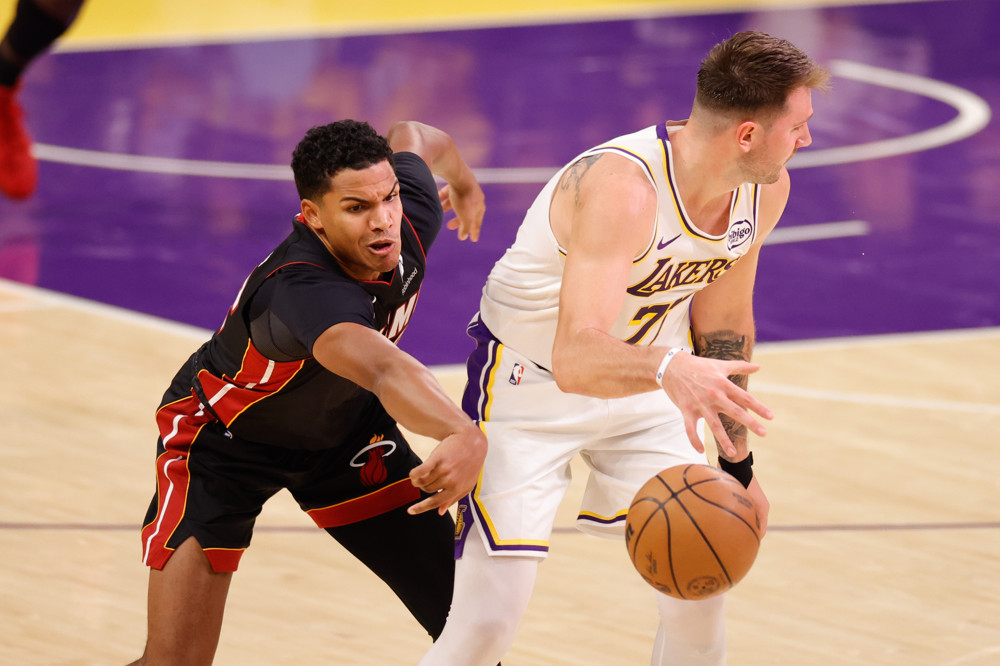
Wallace’s high number of DPLAYs not only lead his team, but the entire NBA. As arguably the most disruptive defensive player in the league, Wallace even stands out among some of the league’s other top disrupters.
| Player | Positive DPLAYs per 100 possessions |
| Cason Wallace (OKC) | 5.5 |
| Dru Smith (MIA) | 5.1 |
| Dyson Daniels (ATL) | 5.1 |
| Jalen Suggs (ORL) | 4.8 |
| Herbert Jones (NOP) | 4.6 |
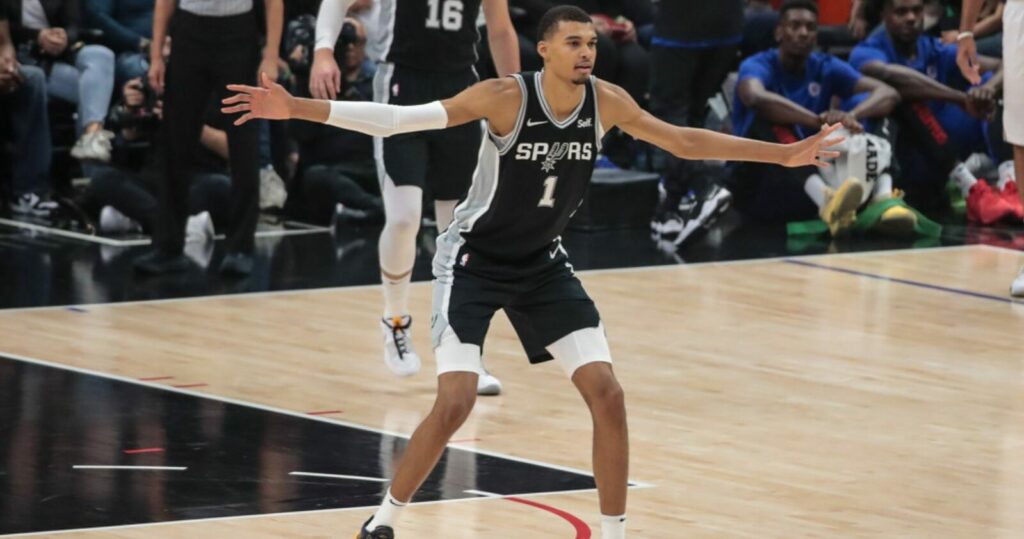
As seen above, DPLAYs are typically more slanted toward perimeter players, which can make it a bit more difficult to rely on them in terms of judging interior impact. Considering teams in today’s NBA are continuing to play big, with teams such as the defending champion Thunder using double-big lineups, centers are still often the anchors of elite NBA teams. Of course, that isn’t reflected in the DPLAY rankings, with the first qualifying big man on the leaderboard unsurprisingly being San Antonio’s Victor Wembanyama, who averages 3.9 positive DPLAYs per 100 possessions.
While the overall number of DPLAYs doesn’t always reflect the impact of big men on the defensive end, one specific DPLAY can give a better look at that area of the floor. Rim deterences, defined as an active attempt by the opposing ball-handler diminished by the defender’s presence, paints a solid picture of who some of the league’s most impactful big men are. And yes, no one is close to Wembanyama, who has 16 rim deterences overall. No one else is in double figures.
| Player | Rim Deterrences per 100 possessions |
| Victor Wembanyama (SAS) | 1.5 |
| Wendell Carter Jr. (ORL) | 0.51 |
| Jalen Duren (DET) | 0.51 |
| Rudy Gobert (MIN) | 0.42 |
| Quinten Post (GSW) | 0.42 |
The Dark Side of Defense
While the NBA has plenty of elite defenders who make their mark on that side of the floor for the better, not every team is poised to be among the best of the best at stopping its opponents. Still, not being a great defender isn’t necessarily a sign of poor play.
Take Dallas’ Klay Thompson, for example. Among roughly 200 qualified players this season, Thompson is the only one to not average at least 1 positive DPLAY per 100 possessions (0.6). While he isn’t the All-Defensive star he once was, his lack of creating havoc on that end doesn’t necessarily mean he’s a poor defender.
However, some players take their defensive issues a step further and commit miscues, which are defined as a player making a significant negative Defensive Play that improves the opposing team’s chances of scoring. While there are plenty of negative DPLAYs that can add up, perhaps the most costly are bad gambles** and breakdowns***.
**Bad Gamble = Defender gambles to force a turnover or disrupt the offense and fails, putting their team in a difficult defensive position
***Breakdown = Player makes a defensive miscue through poor communication, understanding of scheme, or decision-making leading to a significant offensive advantage
| Player | Breakdowns per 100 possessions |
| James Harden (LAC) | 2.1 |
| Michael Porter Jr. (BKN) | 1.8 |
| Alex Sarr (WAS) | 1.7 |
| Russell Westbrook (SAC) | 1.8 |
| Derik Queen (NOP) | 1.6 |
With a mix of veterans known for occasional defensive lapses and some young players still finding their way around the league, breakdowns paint a solid picture of who can sometimes cost their teams some points.
On the other side, bad gambles can often be just as, if not more, costly to a team’s defense, but some players have a longer leash to gamble if they can at least get some results more often than not. Of the players who take the most gambles, most are also among the best in creating positive DPLAYs otherwise.
| Player | Bad Gambles per 100 poss. | Percentile (category) |
| Reed Sheppard (HOU) | 0.8 | 100th (Deflections) |
| Jalen Suggs (ORL) | 0.8 | 93rd (Deflections) |
| Kawhi Leonard (LAC) | 0.7 | 97th (Steals) |
| Bobby Portis (MIL) | 0.7 | 32nd (Deflections) |
| Dru Smith (MIA) | 0.6 | 99th (Steals) |
Although Portis’ gambles aren’t often offset by positively correlated DPLAYs, the others who make the cut in the top five are also among the NBA’s elite in wreaking havoc on that end. Considering where the leaders in bad gambles rank in other categories defensively, it’s effectively a worthy tradeoff for teams to allow their top defensive players to gamble, so long as the results remain the same.
The same can be said on a teamwide level as well. Taking another look at the Thunder, they lead the league in positive DPLAYs overall and are first in steals and deflections while committing the fewest breakdowns in the league. Yet, they still account for the 9th-most bad gambles in the association.
Of course, teams or players that commit bad gambles aren’t necessarily guaranteed to have a worthy tradeoff. The LA Clippers, Houston Rockets and Sacramento Kings are among the 10 teams with the most bad gambles and all rank in at least the top half of the league in either steals or deflections, seemingly following the trend. However, those three teams are also among the top four in breakdowns in the league, showing that their defenses might simply be undisciplined instead of a high-risk, high-reward unit.
Ultimately, defensive playmaking is one of many factors going into how a team or player performs on that end of the floor. And while it might not be a perfect way to judge the entirety of a defensive performance, it provides a clear look into who is making a significant impact, whether it be for better or for worse.