Category: John Dewan’s Stat of the Week

  • Stat of the Week: Chase Utley and the Hall of Fame

    Stat of the Week: Chase Utley and the Hall of Fame

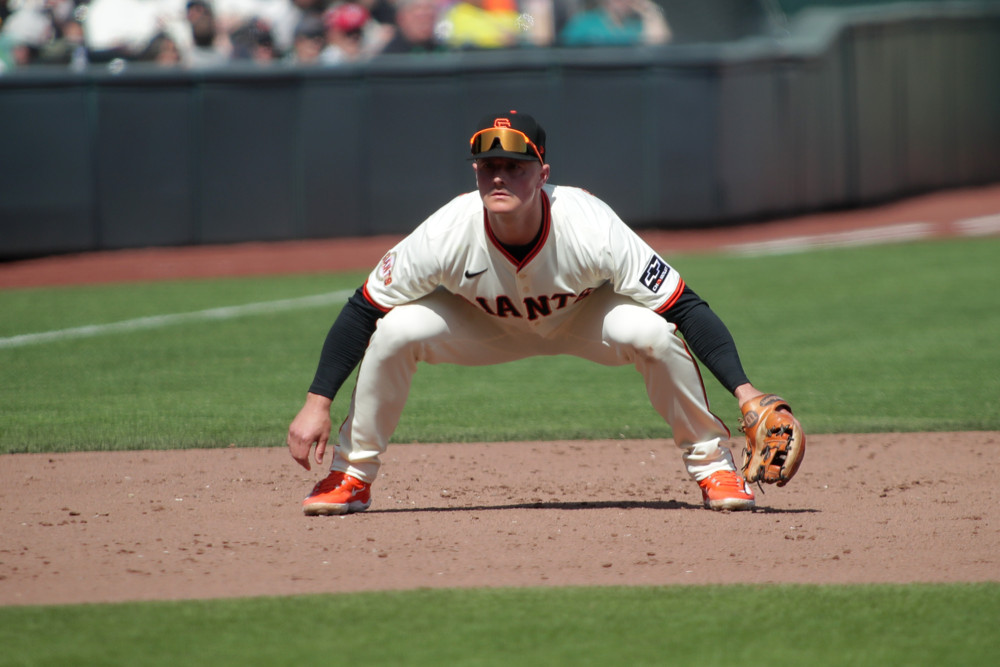
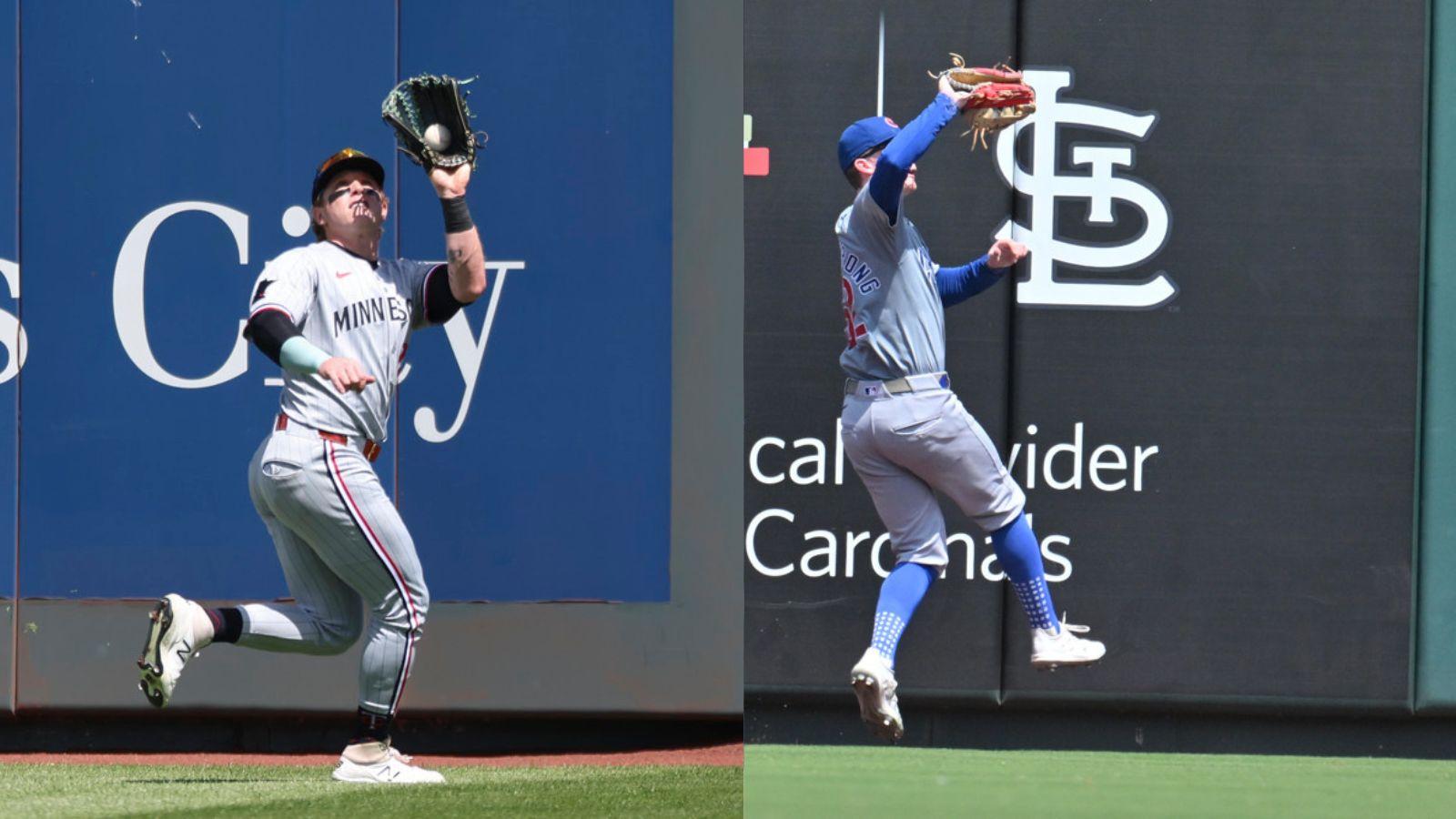
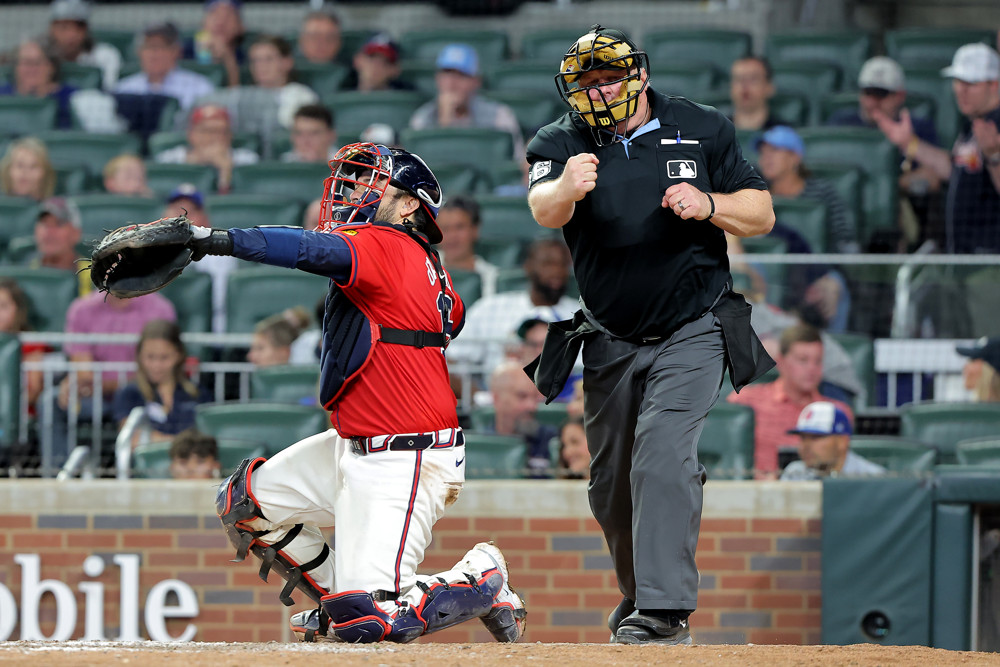
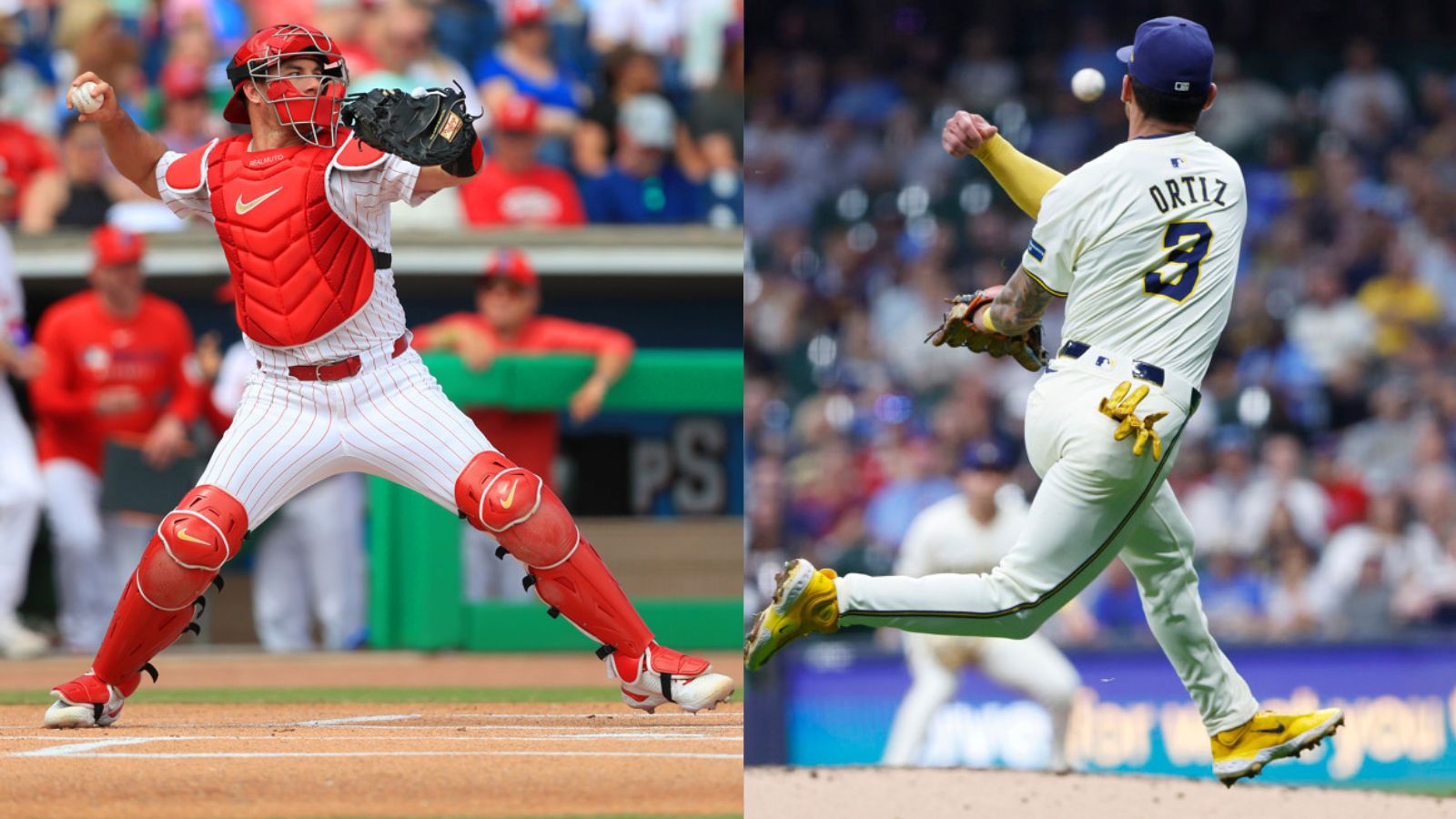
    Photos: Chris Livingston/Icon Sportswire

    BY MARK SIMON

    I’m still a few years away from having a vote for the Baseball Hall of Fame and I’ve been wondering recently whether Chase Utley will still be on the ballot when I do have a vote.

    Utley got just below 30% of the vote last year in his first year on the Baseball Writers Association of America ballot. He’s probably going to do better than that this year, but he’s still going to be well short of the 75% needed for election to the Hall of Fame. The ballots are in for this year’s class, which will be announced on January 21.

    Utley’s candidacy is driven by his six-year peak from 2005 to 2010 when he was the most complete player in baseball. He totaled 45.5 WAR per Baseball-Reference, a figure surpassed in that span by only Albert Pujols.

    Most Wins Above Replacement – Position Players

    2005 to 2010 (Baseball-Reference Version)

    Player WAR
    Albert Pujols 52.1
    Chase Utley 45.5
    Alex Rodriguez 38.3
    Mark Teixeira 33.4
    Joe Mauer 31.8
    David Wright 30.0

    Utley averaged 27 home runs and 15 stolen bases per season and played an average of 145 games per year in those six seasons. His OPS was 33% better than MLB average when adjusted for ballpark and his OPS as a second baseman was at least 40% better than the average second baseman in five of the six years.

    Additionally, Utley’s 119 Defensive Runs Saved and 14.2 Defensive WAR (another figure calculated by Baseball-Reference) were also the best in the majors in that time.

    Within the years Defensive Runs Saved has existed (it dates back to 2003) only three other players have tallied that many Runs Saved over a six-season span: Andrelton Simmons, Kevin Kiermaier, and Mookie Betts.

    In those six seasons, Utley finished in the top three in Runs Saved among second basemen five times. His 126 career Runs Saved rank second overall at second base behind Mark Ellis (128).

    In 2008, Utley had 35 Runs Saved from his range and positioning (we give him and not the team credit for where he was positioned) and saved 46 plays more than the average second baseman would have against the same assortment of batted balls. The 35 Range Runs Saved are tied with Simmons (2017) for the most at any position in a season since the stat was first compiled.

    In the postseason from 2007 to 2010, Utley had a .902 OPS, 10 home runs, 25 RBI, and 38 runs scored in 46 games. He was a statistical superstar from April to September and he was one in October too.

    Utley was still a good player in the first four years post-peak (2011 to 2014). Where he fizzles is in the last four seasons of his career when he posted a .682 OPS, had -12 Runs Saved, and totaled 2.3 WAR. He went 0-for-30 in his last 15 postseason games.

    A stronger finish would have allowed him to clear 2,000 hits (he finished with 1,885), 300 home runs (he totaled 259), and 70 Wins Above Replacement, which would have made his candidacy stronger.

    As it is, his career stats are still good enough to clear Bill James’ Hall of Fame Value (HOF-V) benchmark. HOF-V is defined as the sum of a player’s Win Shares (Utley tallied 291) and four times his Wins Above Replacement (64.5). Utley scores a 549.2. The only players on this year ballot with a higher score and who are untainted by either PED use allegations, a cheating scandal, or domestic violence allegations are Bobby Abreu (596.7) and Ichiro Suzuki (564.0). A score of 500 is generally the bar for Hall of Fame worthiness.

    Utley isn’t one of those slam-dunk, easy-decision candidates. But he has the credentials in 2025 and any year moving forward to be Cooperstown worthy. If he’s still on the ballot when I have a vote, I’ll be checking off his name.

  • Stat of the Week: 2024 Year-End Awards

    Stat of the Week: 2024 Year-End Awards

    Photos: Melissa Tamez, Mark Goldman/Icon Sportswire

    Happy holidays and Happy New Year!

    Every year at this time we do some supplemental, statistically-driven MLB awards. These will salute some of the leaders in specific areas of our recordkeeping as our way of putting a bow on the season. Here are the 2024 winners:

    The Hard Hitter Award

    Sports Info Solutions charts every batted ball as hard-, medium- or soft-hit, based specifically on the ball’s location, velocity and batted-ball type (note that this differs from how Statcast tracks hard-hit rate).

    The winner of the Hard-Hitter Award is the player who had the highest percentage of batted balls that were hard-hit among batters with a minimum of 350 plate appearances in 2024.

    Yankees outfielder Aaron Judge won the award for the 3rd straight year, recording a hard-hit ball on 48% of his batted balls. The runner-up is someone you probably didn’t expect. Michael Toglia of the Rockies had a hard-hit ball on 45% of his batted balls. The leading team was the Braves, who had a hard-hit ball in 35% of their batted balls, a smidge ahead of the Orioles, Phillies, and Rockies, all at 34%.

    You can see the full player leaderboard here and team leaderboard here.

    The Contact Minimizer Award

    The Contact Minimizer goes to the pitcher who most limited hard contact in 2024 (minimum 100 innings pitched). The winner was Astros pitcher Hunter Brown, who limited batters to a hard-hit ball in 22% of the batted balls against him. Brown also made last week’s Stat of the Week as the pitcher whose expected OPS was furthest below his actual OPS.

    Reds pitcher Nick Martinez ranked second, at 23%. Perhaps that’s why the Reds extended a qualifying offer to him this offseason (which Martinez accepted rather than pursue free agency).

    Martinez and Hunter Greene (11th, 27%) helped make the Reds the team leader in this stat (29%), ahead of a surprise squad, the A’s (29.5%), and the team you might have expected to be No. 1, the Mariners (29.5%).

    You can see the full pitcher leaderboard here and team leaderboard here.

    The Flat Bat Award

    The Flat Bat Award is given annually to the best bunter of the year. To determine the winner, we look at run value–run expectancy gained or lost–for both successful and unsuccessful sacrifice bunt and bunt-for-hit attempts for each player.

    This year’s leader was Nationals rookie center fielder Jacob Young, who had 9 successful sacrifices and an MLB-best 11 bunt hits against only 1 failed sacrifice and 5 failed bunt hit attempts. The runner-up was Jake McCarthy of the Diamondbacks, who had 5 sacrifices (no failed attempts) and 10 bunt hits (5 failed attempts). 

    Click here to read about the methodology behind the Flat Bat Award.

    The Vacuum Cleaner Award

    SIS Video Scouts also track what are known as “Good Fielding Plays,” which are often those that lead to the unlikely recording of an out. Those can be broken up into different subtypes, including one just for ground balls. The leader in Good Fielding Plays on ground balls is the winner of our Vacuum Cleaner Award.

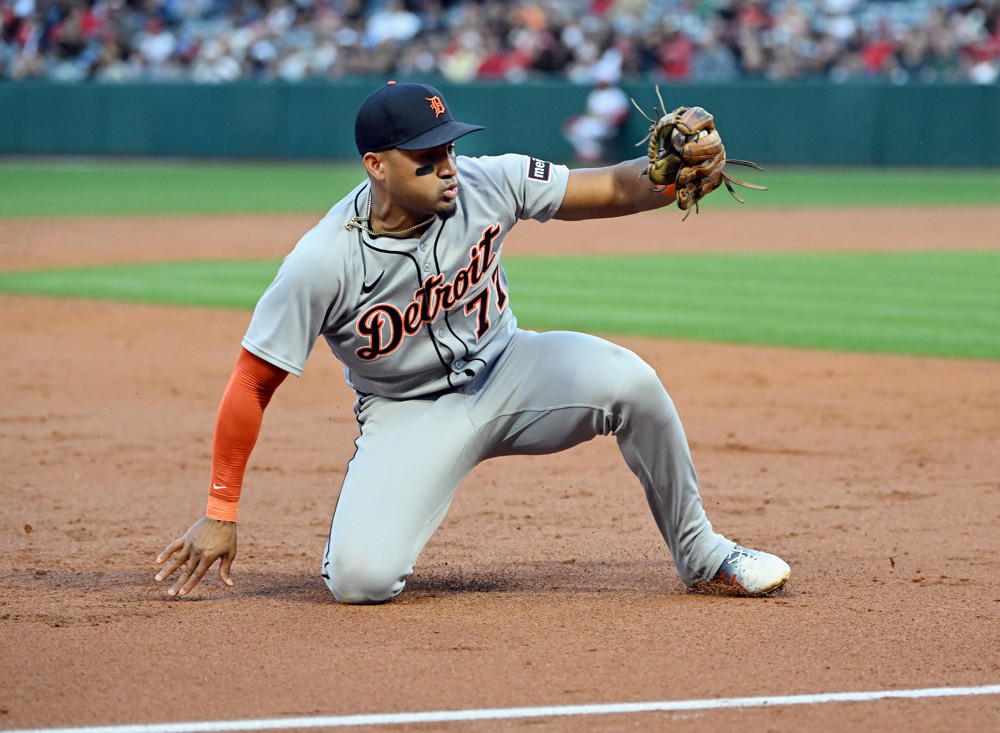
    This year’s winner is Yankees shortstop Anthony Volpe, who had 21 such Good Fielding Plays. Volpe won a Gold Glove in 2023 but was not honored for his defense in 2024. Rockies third baseman Ryan McMahon and Rays and Cubs third baseman Isaac Paredes each had 18.

    The Fly Swatter Award

    The Fly Swatter Award is a similar award to The Vacuum Cleaner, except it’s for Good Fielding Plays resulting in outs on fly balls and line drives.

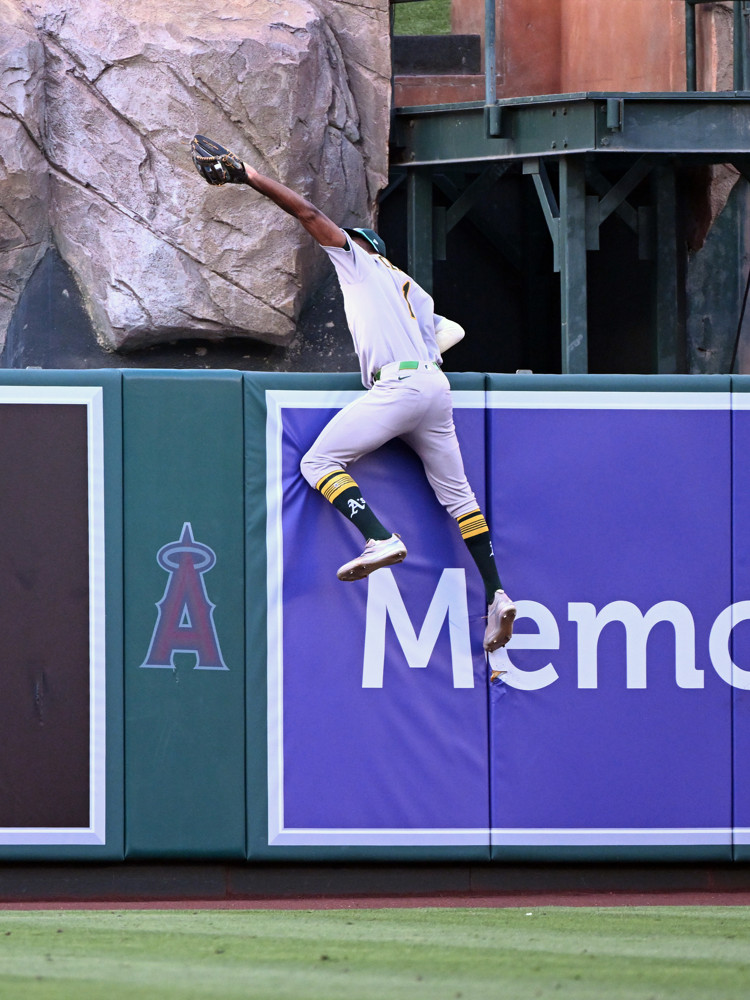
    This year’s winner was Blue Jays outfielder (and SIS Defensive Player of the Year) Daulton Varsho, with 19. Varsho also led the majors with 6 Good Fielding Plays involving collisions with the outfield wall. The runner-up in Good Fielding Plays on flies and liners was Marlins and Yankees utility man Jazz Chisholm Jr. with 17. Chisholm and Stuart Fairchild of the Reds had the second-most Good Fielding Plays involving colliding with an outfield wall with 4.

    Stolen Base Stopper

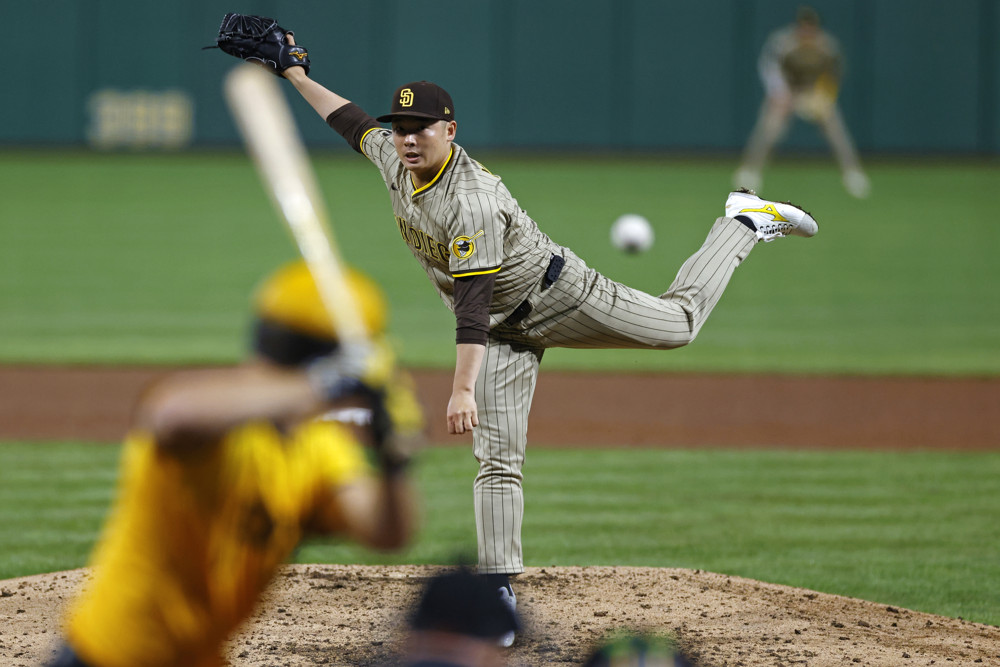
    The award for the Stolen Base Stopper goes to the catcher and pitcher who had the most Stolen Base Runs Saved in 2024. This year’s winners were Dodgers catcher Will Smith (8 Stolen Base Runs Saved) and a five-way tie among pitchers between Tanner Bibee of the Guardians, Griffin Canning of the Angels, Chris Flexen of the White Sox, Charlie Morton of the Braves, and Shota Imanaga of the Cubs (3 Stolen Base Runs Saved apiece).

    Smith threw out 28% of potential basestealers, had 25 caught stealing and 1 catcher pickoff and allowed 64 stolen bases. The MLB caught stealing rate for catchers this season was 17%. 

    Bibee won the Fielding Bible Award for pitchers in 2024. He allowed 6 stolen bases but had 6 caught stealing and 4 successful pickoffs. Of the other pitchers who tied, Imanaga had the best numbers: 3 stolen bases allowed, 2 caught stealing, and 2 pickoffs.

    You can see the leaderboards for catchers and pitchers here.

    The Hall of Framer

    The Hall of Framer award goes to the catcher who had the best pitch-framing numbers in 2024. In our world, that means the catcher who had the most called strikes above expectations (we call this stat Strike Zone Plus-Minus).

    The runaway leader in this stat was Giants catcher Patrick Bailey, who had 123 more called strikes than expected, the most for a catcher since Austin Hedges had 150 in 2019. Bailey won this year’s Fielding Bible Award at catcher after nearly winning it in 2023. He was the leader both in total and if you measured performance on a per-pitch basis.

    Most Called Strikes Above Expectations (Strike Zone Plus-Minus)

    2024 Season

    Catcher Strike Zone Plus-Minus
    Patrick Bailey 123
    Cal Raleigh 96
    Jake Rogers 78
    Bo Naylor 77
    Jose Trevino 65
    Christian Vázquez 65
  • Stat of the Week: 2024’s Underachieving Pitchers

    Stat of the Week: 2024’s Underachieving Pitchers

    Photo: Allan Dranberg/Icon Sportswire

    Hunter Brown finished 2024 with a 3.49 ERA in 170 innings pitched, but there was much more to his season than reducing it to those numbers.

    In his last 19 starts, Brown pitched to a 2.20 ERA and averaged six innings per start. He allowed only 7 home runs in 114 2/3 innings pitched. From June 8 on, he was as good as just about anyone.

    That Brown’s season ERA was considerably higher than 2.20 was the product of some rough early-season starts, one in particular against the Royals when he allowed 9 runs and 11 hits in 2/3 of an inning.

    Brown made the Top 10 list for the pitchers who underachieved the most in 2024. He’s a bit of an outlier in that he’s the one pitcher on that list who had—in sum—a good season by stats like ERA. It could have been a great one.

    Brown’s .667 OPS allowed was 68 points higher than his expected OPS. His .599 expected OPS was 11th-lowest in baseball among pitchers with at least 300 batters faced (starting pitchers ahead of him were Paul Skenes, Chris Sale, Blake Snell, Tarik Skubal, Tyler Glasnow, and Bryan Woo). His .667 actual OPS was still pretty good, but by rank, it was 54th.

    A brief point of explanation:

    Sports Info Solutions tracks its own version of a player’s expected stats (similar to what you can find on Baseball Savant). Rather than basing a player’s hit probability (and therefore single, double, triple, and home run probability) on a batted ball’s exit velocity and launch angle, SIS’ version estimates probabilities based on where balls are hit, how hard they are hit, and how long they spend in the air.

    This allows us to compare a player’s actual stats to his expected stats to see if they fared better or worse than perhaps they could have.

    Here’s the list of pitchers with the greatest differential between their actual OPS and their expected OPS. Think of them as a group whose actual 2024 numbers could have been better under different circumstances.

    Biggest Difference Between Actual OPS and Expected OPS

    Minimum 300 Batters Faced in 2024

    Pitcher Actual OPS Expected OPS Difference
    Carson Spiers .887 .793 .094
    Walker Buehler .862 .772 .090
    Reid Detmers .864 .777 .087
    Logan Allen .918 .843 .075
    Slade Cecconi .863 .792 .071
    Hunter Brown .667 .599 .068
    Chris Flexen .824 .760 .064
    Taijuan Walker .975 .913 .062
    Marcus Stroman .780 .718 .062
    Mitch Spence .786 .727 .059

    Carson Spiers (No. 1), Chris Flexen (No. 7) and Mitch Spence (No. 10) can all point to a lack of defensive support. Flexen’s teams had -17 Runs Saved behind him in 2024, the worst total in MLB. Spence’s -16 ranked second. Spiers’ -11 ranked third. Brown’s numbers may have been more of a case of bad luck than bad defense. The Astros had 2 Runs Saved behind him. 

    Speaking of defense, there’s the case of Yankees pitcher Marcus Stroman.

    Stroman’s OPS against last season was .780, 62 points higher than his expected OPS. The Yankees defense didn’t help him out. They totaled -7 Runs Saved on the batted balls against him. They also had 29 Defensive Misplays and Errors behind him, the most for any team behind any pitcher in 2024.

    Without much effort we found four potential fly ball outs that the Yankees outfielders didn’t catch that  cost Stroman a run (or more) specifically on that play or within the rest of the inning (here, here, here, and here). Three of those four balls had out probabilities of 90 percent or higher.

    Given how reliant Stroman is on his defense because of a lack of strikeouts, he and the Yankees were a bad combination in the back half of the 2024 season (he had a 5.88 ERA in his last 16 appearances).

    Another free agent in the Top 10 was Walker Buehler, who was touched for 16 home runs in 75 1/3 innings last regular season, and his OPS allowed was 90 points higher than expected. By our calculations, he was expected to allow 12 home runs, which would have helped bring his 5.38 ERA down a little, though he was still a bit removed from even being an average pitcher. Here’s one example of an unlikely home run against him.

    Of course, what’s most memorable about Buehler isn’t his regular season, but his postseason, in which he allowed no runs in 10 innings in his last three appearances and got the final out of the World Series.

  • Stat of the Week: Who Were 2024’s Most Underachieving Hitters?

    Stat of the Week: Who Were 2024’s Most Underachieving Hitters?

    Photo: Nick Wosika/Icon Sportswire

    Adam Duvall and Whit Merrifield weren’t as bad as their numbers looked in 2024.

    That’s not to say that either was good but that there was a vast difference between their actual OPS and their expected OPS.

    Merrifield and Duvall were the two biggest statistical underachievers of 2024 in terms of actual stats and expected stats.

    A brief point of explanation:

    Sports Info Solutions tracks its own version of a player’s expected stats (similar to what you can find on Baseball Savant). Rather than basing a player’s hit probability (and subsequently single, double, triple, and home run probability) on a batted ball’s exit velocity and launch angle, SIS’ version estimates probabilities based on where balls are hit, how hard they are hit, and how long they spend in the air.

     This allows us to compare a player’s actual stats to his expected stats.

     Here’s the leaderboard for the hitters with the biggest negative differential between OPS and expected OPS (you can see the positive differential leaderboard in our article last week).

    Sports Info Solutions tracks its own version of a player’s expected stats (similar to what you can find on Baseball Savant). Rather than basing a player’s hit probability (and subsequently single, double, triple, and home run probability) on a batted ball’s exit velocity and launch angle, SIS’ version estimates probabilities based on where balls are hit, how hard they are hit, how long they spend in the air, and the speed of the batter, as well as the ballpark in which the ball was hit. 

     This allows us to compare a player’s actual stats to his expected stats.

    Biggest Negative Differential – 2024 OPS and Expected OPS

    Minimum 250 Plate Appearances in 2024

    Player OPS Expected OPS Differential
    Adam Duvall .569 .675 -.106
    Whit Merrifield .625 .729 -.104
    Eddie Rosario .531 .633 -.102
    Bo Bichette .598 .697 -.099
    TJ Friedl .690 .788 -.098
    Javier Báez .516 .612 -.096
    Maikel Garcia .614 .701 -.087
    Patrick Bailey .637 .723 -.086
    Zach McKinstry .614 .698 -.084
    Marcus Semien .699 .781 -.082

    In Duvall’s case, part of the 106-point gap between his .569 OPS and .675 OPS was that by our expected numbers, he should have had 15 home runs instead of 11 (the most clearcut example of a homer he should’ve had is this one that was snagged by Chris Taylor but there’s also this and this).

    But even with those homers and other additional hits, Duvall would still have been a below-average MLB hitter. However, in Merrifield’s case, the difference between a .625 actual OPS and a .729 expected OPS was the difference between being a well below-average MLB hitter and an above-average one. Merrifield was 14 hits and 4 doubles short of his expected totals, with a good chunk of that coming on at-’em balls, balls on which fielders were well-positioned (coincidentally here’s a play by Taylor to deny Merrifield as well).

    There are three other hitters on this list that I’m going to point out. One is Giants catcher Patrick Bailey, who finished with a .637 OPS but a .723 expected OPS. Bailey’s OPS was 41 points lower than the MLB average for catchers but if he’d hit at his expected OPS, it would have been 45 points higher.

    The other two hitters of note are TJ Friedl of the Reds and Marcus Semien of the Rangers. Friedl had a .750 OPS in 2022 and .819 in 2023. He dropped to .690 in 2024 but probably deserved better. People wouldn’t be wondering why Friedl had dipped had he hit at the level of his .788 expected OPS.

    Opposing defenses were key to shutting Friedl down. Teams had 11 Range Runs Saved against Friedl (here’s one play that contributed). In other words, defenses were making plays against him that they weren’t making against others. Only three players had teams accumulate more Range Runs Saved against a player last season (15 against Bryson Stott was the most in MLB).

    Similarly, Semien finished with a .699 expected OPS, a little better than an average second baseman (.684) but a drop from .826 and .733 the previous two seasons.

    Semien’s .781 expected OPS for 2024 indicated that he was still a good hitter last season. He just wasn’t getting balls through or down that other hitters were. Teams had 11 Runs Saved from defensive positioning against Semien, tied for most by teams against a player in MLB (Yandy Díaz and Luis Arraez are those with whom he tied).

  • Stat of the Week: Who Were 2024’s Most Overachieving Hitters

    Stat of the Week: Who Were 2024’s Most Overachieving Hitters

    Red Sox catcher Connor Wong played in the same number of games in 2024 as he did in 2023. But it was a much different season for him as a hitter.

      At-Bats Hits K BA OPS
    2023 371 87 134 .235 .673
    2024 447 125 114 .280 .758

    Now rather than proclaim that Wong had some sort of breakthrough, we’re going to tell you something different. Wong was by our measures – the biggest overachiever of 2024.

    A brief point of explanation:

    Sports Info Solutions tracks its own version of a player’s expected stats (similar to what you can find on Baseball Savant). Rather than basing a player’s hit probability (and subsequently single, double, triple, and home run probability) on a batted ball’s exit velocity and launch angle, SIS’ version estimates probabilities based on where balls are hit, how hard they are hit, how long they spend in the air, and the speed of the batter. Ballpark is also taken into account.

     This allows us to compare a player’s actual stats to his expected stats.

    And when we compare Wong’s actual and expected stats, there are big differences. Wong had a .758 OPS and a .645 expected OPS. His OPS differential between his real and expected numbers was 113 points, the biggest difference for any player with at least 250 plate appearances in 2024.

    Biggest Differential – 2024 OPS and Expected OPS

    Minimum 250 Plate Appearances in 2024

    Player OPS Expected OPS Differential
    Connor Wong .758 .645 .113
    Matt Wallner .894 .788 .106
    Tyler O’Neill .847 .734 .100
    Xavier Edwards .820 .720 .100
    Jose Iglesias .830 .734 .096
    Rob Refsnyder .830 .734 .096
    Carlos Correa .905 .814 .091
    Bryce Harper .898 .811 .087
    Parker Meadows .743 .659 .084
    Bobby Witt Jr. .977 .894 .083

    Your first instinct might be that playing in Fenway Park boosted Wong’s numbers. That’s a component, but there’s something else involved here.

    Wong had 7 hits on batted balls with a hit probability of 10% or lower in 2024. He had none in 2023. All of those hits were on ground balls or bunts (examples include this and this). Wong had 48 ground ball or bunt base hits in 2024. By SIS’ expected numbers, he was projected to have 36.

    Wong’s 10 hits on fly balls and line drives that had the lowest hit probability all came at home. Though ballpark is taken into account, “wall balls” at Fenway Park aren’t fully neutralized by our system (balls like this and this)From those 10 balls, Wong was expected to record only 1.7 hits. On all his other fly balls and line drives, his actual hits total and expected hits total were close to the same.

    In sum, Wong had 12 more ground ball/bunt hits than expected and 8 more hits than expected on line drives and fly balls. He had the biggest difference in OPS above expected OPS and the second-biggest difference in BABIP versus expected BABIP.

    Wong is one of three Red Sox to rank among the top 10 overachievers in OPS in 2024. The others were also right-handed hitters, Tyler O’Neill and Rob Refsnyder.

    Luck is one reason that a hitter could outperform his expected numbers. Hustle can help too. Jose Iglesias of the Mets came up fifth on this leaderboard. His effort won him a few more hits than expected, such as this one against the Athletics and this one against the Diamondbacks.

    In fact, as was noted on a Mets broadcast late in the season, Iglesias’ hustle on that latter play, in a game his team was losing 10-2 with two outs in the ninth inning on June 1 set an example for how the Mets needed to play the rest of the season. They had the best record in MLB from the next day to the end of the season.

    Iglesias totaled 36 ground ball hits in 2024. He had an expected total of 27 based on how hard and where those balls were hit, accounting for much of his overachieving numbers.

    We’ll look at the most underachieving hitters next week.

  • Several Standout Defenders Join Hall of Fame Ballot

    Several Standout Defenders Join Hall of Fame Ballot

    Photo: John Cordes (l) and Jeff Zelevansky (r)/Icon Sportswire

    Did you notice that the additions to this year’s Hall of Fame class include a bunch of defensive studs?

    There are already some great defensive players on the ballot (we wrote about Chase Utley last year and there are several longtime holdovers, some with problematic off-field histories, too) but the addition of these players makes the ballot really defense-rich.

    Ichiro Suzuki headlines the first-year eligible candidate group and while fans often marvel at his hitting, his defense in his MLB prime was high end.

    Ichiro reached a Defensive Runs Saved total that few right fielders have reached. He had 30 in 2004, the second season for which that stat is tracked. The only right fielder with more in a season is Mookie Betts, who had 33 in 2016 and 32 in 2017. Ichiro was never able to replicate anything close to that 2004 season in terms of defense, but totaled at least 10 Runs Saved in five other seasons. His arm rated best in the early part of his career when he had numerous highlight-reel throws. He also tallied 10 home run robberies from when we first started fully tracking them in 2004. Only five players have more.

    In all, Ichiro is one of three players with at least 100 Runs Saved in right field and is a 3-time Fielding Bible Award winner at that position.

    Most Defensive Runs Saved – Right Field

    Name Runs Saved
    Jason Heyward 159
    Mookie Betts 141
    Ichiro Suzuki 104

    Ichiro isn’t the only ballot newcomer with at least 100 Runs Saved at a position. Dustin Pedroia ranks third among second basemen with 107 Runs Saved. He’s directly behind second-year Hall candidate Chase Utley. And two spots behind Pedroia is another ballot newcomer, Ian Kinsler.

    Both Pedroia and Kinsler were solid players, though most will likely dub them a fit for the ‘Hall of Very Good.’ Pedroia twice led second basemen in Defensive Runs Saved in a season and finished in the top five at that position six times. He perfected a pre-pitch hop that allowed him to get a quick first step in making a play. Pedroia has the most Fielding Bible Awards among second basemen with 4.

    Kinsler has the most Double Play Runs Saved of any second baseman. He ranked in the top five in Defensive Runs Saved at second base seven times in a 14-year career and led the majors in Runs Saved there in 2009. He won a Fielding Bible Award at second base in 2015.

    Most Defensive Runs Saved – Second Base

    Name Runs Saved
    Mark Ellis 128
    Chase Utley 126
    Dustin Pedroia 107
    Orlando Hudson 101
    Ian Kinsler 86

    Shortstop Troy Tulowitzki had one of the best defensive seasons of anyone at that position within the history of Defensive Runs Saved. He led shortstops with 31 Runs Saved in 2007 and finished in the top five in Runs Saved there five other times. Tulowitzki’s specialty when he was at his best, was making plays deep in the shortstop-third base hole that other shortstops weren’t making. Tulowitzki is a 3-time Fielding Bible Award winner at shortstop.

    From 2009 to 2011, Ben Zobrist was one of the best players in baseball and a primary reason for that was his defense. Zobrist ranked tied for second in Runs Saved among right fielders and fourth among second basemen in Defensive Runs Saved over that three-year period.

    SIS began tracking which catchers were getting more strikes than expected for their pitchers in 2010 and from the start, it was apparent that Russell Martin was pretty good at it.

    Since that season, Martin ranks third among catchers in Runs Saved overall and fourth in Strike Zone Runs Saved, which measures pitch framing. Even before that, Martin rated well as a catcher. He led the position in Runs Saved in 2007 and then again in 2013 and ranked in the top five in five other seasons.

    Other newcomers on the ballot who were notable defenders include Curtis Granderson, who finished second among right fielders in Runs Saved in 2015 after finishing third among center fielders in 2007. There’s also the odd case of Adam Jones. Though Jones ranks second-worst in the range component of Defensive Runs Saved for center fielders dating back to 2003, he ranks No. 1 overall in Outfield Arm Runs Saved at the position in that time. Plus, his signature play is a home run robbery at the World Baseball Classic.

  • Stat of the Week: Several Key Free Agents Don’t Have Great Defensive Stats

    Stat of the Week: Several Key Free Agents Don’t Have Great Defensive Stats

    Photo: Mark Goldman (l) and Nick Wosika (r)/Icon Sportswire

    Five of the best hitters available in free agency had negative Defensive Runs Saved in 2024.

    In the grand scheme of things, what these players do at the plate will far outweigh what they do in the field. But that’s not to say that it doesn’t matter at least a little bit. Let’s explore their individual situations.

    Juan Soto

    At the rate Soto is going, he’s going to be an all-time great hitter and he’s going to get paid an incredible amount of money to be one. Soto has shown that he can be a good defensive outfielder, but he’s also shown he can be below-average too.

    After accruing 6 Defensive Runs Saved in 2021, he’s totaled -5, -2, and -1 the last three seasons. He played right field in 2021, 2022, and 2024 and left field in 2023.

    Soto rated well in right field for most of the 2024 season. But in September, he had -5 Runs Saved (worst among right fielders) and 6 Defensive Misplays and Errors (tied for the most in the position). As far as range goes, in both 2022 and 2024, Soto was penalized the most on balls hit to the deepest part of right field.

    Soto’s Runs Saved would have been worse but for the value of his arm. The last two seasons he’s combined for 6 Outfield Arm Runs Saved.

    Soto had 4 outfield assists in the Yankees’ first 19 games in 2024. Both that and playing in a small ballpark like Yankee Stadium may have had something to do with baserunners advancing an extra base against him on 43% of the balls he fielded in 2024. The MLB average rate for right fielders was 51%.

    There isn’t anything about Soto’s defense that should scare teams off. A little below average isn’t going to cause a lot of trouble over 162 games. But it’s important to have a full understanding of what you’re getting when he’s on your team.

    Anthony Santander

    Santander hit a career-high 44 home runs last season, topping the 33 and 28 that he hit the previous two seasons, respectively. But in both 2022 and 2024, his defense held his WAR (Baseball-Reference version) down a little bit.

    Santander played 130 games in right field last season, the most he’d ever played at one position in a season. Our defensive metrics weren’t kind to him. He finished with -7 Runs Saved, which contributed to a  2.9 bWAR. Of the 19 40-homer seasons since 2021, Santander’s bWAR was worse than 16 of them.

    Santander’s defensive issues were different from Soto’s. By our calculations, he made 11 plays fewer than an average fielder on shallow and medium balls hit to the outfield, but he was 5 plays better than expected on balls hit to the deepest part of right field.

    Santander was also dinged for his arm. He allowed 61% of baserunners to take an extra base against him, 10 percentage points worse than the average right fielder. Among the 35 players who played right field the most last season, only Starling Marte had a worse rate.

    Santander had good defensive numbers in the past. He totaled a combined 14 Runs Saved in 85 games in right field in 2019 and 2020 and he had 3 Runs Saved there in 2023. With him it’s a question of whether his future performance will resemble his most recent play.

    Willy Adames

    We mentioned last week that Adames is a curious case. He had 9 Runs Saved as a shortstop in 2022 and 8 Runs Saved in 2023. But then he was a MLB-worst -16 Runs Saved in 2024.

    Our stats showed that Adames completely cratered. He went from 13 plays made above average in 2023 to 19 below average in 2024. As the chart below shows, he went from being one of the most reliable fielders on his forehand to one of the least reliable.

    Willy Adames- 2024 When Fielding On His Forehand

    Year Plays Made-Opportunities Success Rate
    2023 289-304 95% (1st in MLB)
    2024 269-304 89% (30th of 35)

    Interest in Adames is going to be high given his 32 home runs and 21 stolen bases in 161 games last season. Perhaps indicative of concerns about his defense is talk that one team, the Mets, is looking at him as a third baseman. As we wrote in a study done in 2022, moving from shortstop to third base isn’t necessarily an easy switch (spoiler: the study shows some fielders handle it well and others don’t). But perhaps in this case it will be a necessary one.

    Jurickson Profar

    Profar, who had the best offensive year of his career last season with the Padres, has a history of not being a good defensive player. After putting decent defensive numbers up in left field in repeated sets of small samples early in his career, he’s had -11 and -8 Runs Saved in left field the last two years, respectively. He’s played other positions and not fared well at those either.

    Statcast data indicates that Profar doesn’t chase balls down well. He rated below average in the amount of ground he covers in the first three seconds after a hitter makes contact. The team that signs him would do well to work with him on that … if they don’t make him a DH.

    Pete Alonso

    Alonso is an oddity in that he’s had three seasons with negative Runs Saved and three seasons with positive Runs Saved and he’s never had two in a row of either. In sum, he comes out as an average defensive first baseman through the first six years of his career.

    Alonso does two things in high volume. He led all first basemen with 39 Good Fielding Plays related to catching throws in 2024. No one else had more than 26. He also aggressively leaves his feet. He’s finished first or second at the position in the number of times he’s slid, dove, or jumped to make a play. There’s no lacking for effort in how he plays defense, which is good so long as he doesn’t injure himself in the process.


  • Stat of the Week: Free Agent Defensive Standouts

    Stat of the Week: Free Agent Defensive Standouts

    Two of the best defensive first basemen in baseball head the list of the best defensive players available in free agency this offseason.

    Christian Walker and Carlos Santana finished second and third, respectively, in The Fielding Bible Awards and won the Gold Glove Award in their respective leagues. Walker has won the Fielding Bible Award twice before. Santana has been a strong candidate for that honor in each of the last two seasons.

    Walker’s defense is significant, value wise. The most prominent free agent first baseman is Pete Alonso, but over the last three seasons, Walker has him beat in Defensive Runs Saved by a combined tally of 33-1 and has matched or bettered Alonso in Baseball-Reference’s Wins Above Replacement in each of those three seasons.

    Most Defensive Runs Saved – First Base

    Last 3 Seasons

    Player Runs Saved
    Christian Walker 33
    Matt Olson 27
    Carlos Santana 23
    Michael Toglia 11
    Ryan Mountcastle 11

    Both players should have plenty of suitors. Among those teams that need a first baseman (besides the Mets and Diamondbacks) are the Astros, who ranked last in Runs Saved at that position last season, and the Yankees, who lose Anthony Rizzo to free agency. Santana, the oldest position player to win a Gold Glove, is a solid fallback option.

    Michael A. Taylor seems to always end up on a list of top free agent defenders and in fact, his 11 Runs Saved in 2024 were the most of any free agent. Taylor ranks second to Daulton Varsho in Runs Saved among center fielders over the last three seasons. He may have a hard time finding a deal though after posting career lows in batting average (.193) and OPS (.543).

    Most Defensive Runs Saved – Center Field

    Last 3 Seasons

    Player Runs Saved
    Daulton Varsho 39
    Michael A. Taylor 37
    Kevin Kiermaier 30
    Brenton Doyle 29
    Myles Straw 22

    The other center fielder with a history of being a defensive standout is Harrison Bader. Though Bader fared well in other defensive metrics in 2024, he’s lagged in Defensive Runs Saved. Bader has 3 Runs Saved in 320 games in center field the last three seasons after totaling 15 there in 2019 and 18 there in 2021.

    Of the 44 players with at least 10 Runs Saved last season, the only one besides Taylor who is a free agent is utility infielder Kevin Newman, who totaled 6 Runs Saved in 44 games at second base and 4 Runs Saved in 55 games at shortstop (he also played 41 innings combined at first base, third base, and left field).

    Newman’s defensive history, which comes mostly as a shortstop, is up and down. He’s had as many as 9 Runs Saved in a season there and as few as -6.

    Ha-Seong Kim is also an intriguing option for a team looking for a middle infielder. Kim had 11 Runs Saved at shortstop in 2022 and 10 Runs Saved at second base in 2023. And he also has a credible history at third base.

    Kim moved back to shortstop for 2024 and totaled 2 Runs Saved, but more notably he suffered a shoulder injury that required labrum surgery. How this impacts him for the future is a question teams will have to consider.

    At third base, Alex Bregman is coming off a Gold Glove season and finished a strong 6th in a deep field in Fielding Bible Awards voting. There’s a reliability to Bregman’s defense. In nine seasons, he’s finished with a negative Runs Saved total only once.

    At catcher, Austin Hedges’ situation is similar to Taylor’s in center field – that of an excellent defensive player with poor offensive numbers. Over the last three seasons je ranked tied for 6th among catchers in Defensive Runs Saved and 4th in Strike Zone Runs Saved, the component that measures a catcher’s ability to get more strikes than expected for his pitchers. As we were writing this article, Hedges re-signed with the Guardians, who ranked 2nd in MLB in Defensive Runs Saved last season.

    Other notable free agents with good defensive histories include outfielders Alex Verdugo, who had 10 Runs Saved in right field with the Red Sox in 2023 then had 8 in left field in 2024, and Max Kepler, who has had as many as 12 Runs Saved in right field in a season.

    There is also the curious case of shortstop Willy Adames, who figures to be one of the most sought-after free agents this offseason. Adames had 9 Runs Saved in 2022 and 8 Runs Saved in 2023 and had a decent track record prior to that. But he had -16 Runs Saved in 2024, the worst total for any shortstop. We’ll be looking more closely at his performance and those of other prominent free agents later this offseason.

  • Stat of the Week: Celebrating The Fielding Bible Award Runners-Up

    Stat of the Week: Celebrating The Fielding Bible Award Runners-Up

    It would be inappropriate to say that the winners of this year’s Fielding Bible Awards were the only players deserving of the honor. We had a great field of candidates at each position, so, as we did last year, we thought it would be worthwhile to acknowledge those who were the runners-up in the voting at each position.

    First Base – Christian Walker of the Diamondbacks was the two-time reigning Award winner before being dethroned by four-time Award winner Matt Olson this year. Walker finished fifth at the position in Defensive Runs Saved. His 33 Runs Saved at first base over the last three seasons are the most of anyone at the position.

    Second Base – Brice Turang of the Brewers led all second basemen with 22 Runs Saved in 2024 but lost a close vote to the only repeat winner from 2023, Andrés Giménez of the Guardians. Turang was an MLB-best 22 plays made above average on balls hit to his right, repeatedly taking away hits on balls hit up the middle.

    Third Base – Ryan McMahon of the Rockies was a runner-up for the second straight season after finishing tied for second in Runs Saved at the position. He’s finished in the top four in voting at third base in each of the last four seasons but has never won an Award.

    Shortstop – Ezequiel Tovar of the Rockies was one of six shortstops to record at least 10 Runs Saved in 2024. He ranks second in Runs Saved at this position since the start of the 2023 season. Tovar excelled at turning batted balls into outs and turning double plays, though slightly less so statistically than position Award winner Masyn Winn.

    Left field – Steven Kwan of the Guardians was a two-time reigning winner before being dethroned by Riley Greene of the Tigers this year. This was Kwan’s best year in terms of his throwing. He had 4 Outfield Arm Runs Saved and allowed only 27% of runners to advance an extra base on balls he fielded (MLB average for left field is 39%).

    Center Field – Daulton Varsho of the Blue Jays was the runner-up in center field after finishing with the second-most Defensive Runs Saved there (he also had the second-most in left field). However, Varsho likely isn’t complaining. After all, he won both our Multi-Position Award and Defensive Player of the Year.

    Right Field – Sal Frelick of the Brewers was neck-and-neck with Wilyer Abreu in Runs Saved right up to the very end of the season. In fact, he led the position in the Range component of the stat. But he came up a little short, both in overall Runs Saved and in the Award voting, to Abreu.

    Catcher – Cal Raleigh of the Mariners had standout numbers in our pitch framing and stolen base metrics but had the misfortune of going against a defensive superstar in Giants catcher Patrick Bailey, who rated slightly better than Raleigh in both areas.

    Pitcher – Spencer Schwellenbach of the Braves is a former college shortstop and fields his position like one. He tied for second among pitchers in Defensive Runs Saved and came the closest to winning the voting among the second-place finishers. We wouldn’t be surprised to see him winning the Award next year.

    Multi-Position – Jarren Duran of the Red Sox had the second-most Runs Saved of anyone with his 23 split between center field and left field. Duran made huge improvements in center field in particular. He totaled 17 Runs Saved there after tallying -5, -9, and -5 the previous three seasons.

    For more Fielding Bible Awards content, visit SportsInfoSolutions.com. You can also check out FieldingBible.com for all the latest defense-related stats.

  • Fielding Bible Awards Preview (Part I – Catcher and Infield)

    Fielding Bible Awards Preview (Part I – Catcher and Infield)

    We spend most of the year in these newsletters talking up defensive excellence across baseball. Now, we’re nearing time to reward those who were most excellent in 2024.

    Our next two Stat of the Weeks will focus on the top candidates for The Fielding Bible Awards, which will be announced later this month.

    The Fielding Bible Awards is voted on by a panel of experts who can vote based on whatever criteria they choose, including observation and subjective judgement, as well as statistical analysis. Each position has one overall winner, different from the Gold Gloves which has one in each league.

    This week, Part I of our preview looks at catchers and infielders from the perspective of the top Fielding Bible Awards and Gold Glove favorites and contenders.

    (Defensive Runs Saved totals in parentheses)

    Catcher

    Fielding Bible Award Favorite: Patrick Bailey (20)

    NL Gold Glove Favorite: Bailey

    AL Gold Glove Favorites: Cal Raleigh & Freddy Fermin (16)

    NL Top Contenders: Gabriel Moreno (10), William Contreras (6)

    AL Top Contenders: Alejandro Kirk (14), Jake Rogers (13),  Austin Wells (11), Bo Naylor (11)

    After finishing second in Fielding Bible Awards voting last year, Bailey became this year’s favorite by ranking first in our pitch-framing stat, Strike Zone Runs Saved (15), and tied for third in Stolen Base Runs Saved (5).

    Raleigh and Fermin are formidable competition and will be in a tight race for AL Gold Glove honors. Raleigh ranked second in Strike Zone Runs Saved. Fermin matched Bailey in Stolen Base Runs Saved and had the highest catcher block rate in MLB, blocking 96.3% of potential wild pitches.

    First Baseman

    Fielding Bible Award Favorite: Matt Olson (14)

    NL Gold Glove Favorite: Olson

    AL Gold Glove Favorites: Carlos Santana (8), Ryan Mountcastle (8)

    NL Top Contenders: Michael Toglia (10), Christian Walker (7), Bryce Harper (5), Michael Busch (5)

    AL Top Contenders: Nathaniel Lowe (1), Nolan Schanuel (1)

    Olson won the Fielding Bible Award in 2018, 2019, and 2020 and is the favorite to snare another after leading his position in Defensive Runs Saved. As has been his norm, Olson excelled at getting to balls in the ‘3/4’ hole and turning them into outs and led all first basemen in the range component of Runs Saved.

    As to who wins the AL Gold Glove at first base, Santana had his second straight strong season and has a decent chance at winning as a 38-year-old, though Mountcastle had a good year as well. There’s also intrigue in the NL as to whether Harper will be a finalist for a Gold Glove. He did a nice job in his first full season at first base. 

    Second Baseman

    Fielding Bible Award Favorites: Brice Turang (21), Andrés Giménez (20)

    NL Gold Glove Favorite: Turang

    AL Favorite: Giménez

    NL Top Contender: Ketel Marte (10)

    AL Top Contender: Marcus Semien (10)

    This should be an extremely close vote for the Fielding Bible Award. Turang had a fantastic defensive year for a Brewers team that finished with the 4th-most Runs Saved in MLB. Giménez, who won not only the Fielding Bible Award last year, but also the Platinum Glove for best AL defensive player, was right there with Turang for most of the season.  

    Both should be favored to win the Gold Glove Award in their respective leagues, though Marte and Semien are highly-credible defensive players in their own right.

    Shortstop

    Fielding Bible Award Favorite: Masyn Winn (14)

    NL Gold Glove Favorite: Winn

    AL Gold Glove Favorites: Zach Neto (11), Brayan Rocchio (10)

    NL Top Contenders: Ezequiel Tovar (9), Dansby Swanson (7)

    AL Top Contenders: Anthony Volpe (6), Gunnar Henderson (5), Bobby Witt Jr. (2)

    Winn led shortstops in Runs Saved based on the combination of his range and his leading the position in Double Play Runs Saved (6). The 6 Double Play Runs Saved matched the most for a shortstop in the 22-year history of Defensive Runs Saved.

    Shortstop is a rich position for Gold Glove contenders. By Defensive Runs Saved, Neto is the AL favorite, but the inclusion of other defensive stats in the Gold Gloves’ Sabermetric Defensive Index (SDI, which accounts for about 25% of the vote) may give others who didn’t fare as well in Runs Saved (like Swanson and Witt) a better chance.

    Third Baseman

    Fielding Bible Award Favorite: Matt Chapman (17)

    NL Gold Glove Favorite: Chapman

    AL Gold Glove Favorite: Ernie Clement (10)

    NL Top Contender: Ryan McMahon (10), Ke’Bryan Hayes (10)

    AL Top Contender: Alex Bregman (6), José Ramírez (6)

    Chapman was the runaway leader in Runs Saved in a season in which he looked similar to how he played when he won the Fielding Bible Award in 2018 and 2019. He played the second-most innings of any third baseman in 2024 and showed he is fully recovered from his 2020 hip surgery.

    Chapman’s replacement in Toronto, Ernie Clement, has a decent chance to win an AL Gold Glove, though a couple of veterans—Bregman and Ramírez—are aiming for their first Gold Glove and have a reasonable chance given their numbers. 

    Next week we’ll look at outfielders, pitchers, and the multi-position award.