Author: Dominick Ricotta

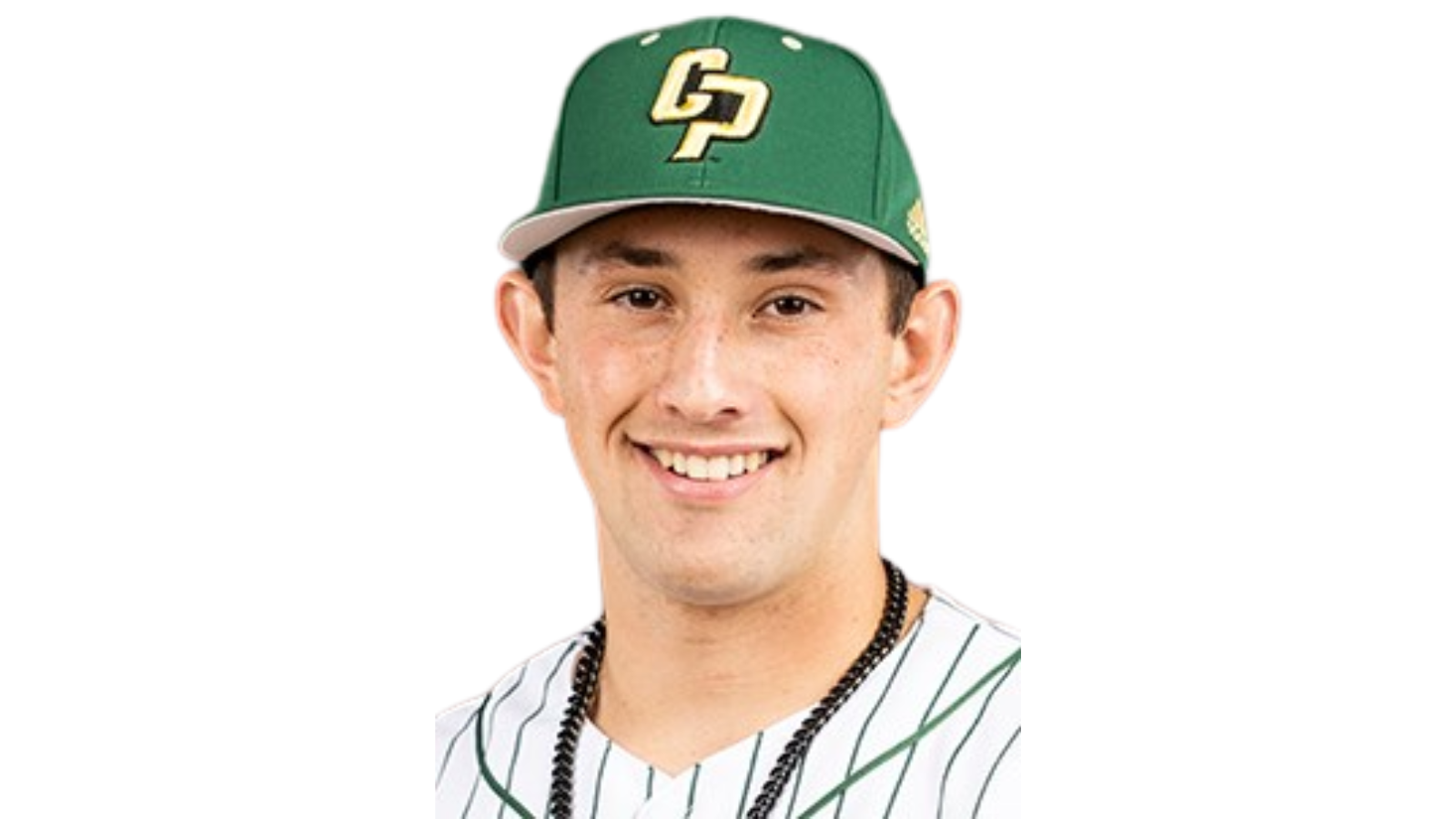
  • 2022 MLB Draft Scouting Report: Brooks Lee

    2022 MLB Draft Scouting Report: Brooks Lee

    Part of a series of scouting reports on intriguing players in the 2022 MLB Draft. To read all the reports (including reports from past years), click here.

    College Cal Poly Sophomore
    Bio B/R 6-2, 205 lbs.
    Date of Birth 02/14/2001
    Hit 60(65)
    Power 50(55)
    Run 45(50)
    Field 45(55)
    Arm 55(60)
    Future Value 60

    Draft Projection: Top-3 pick. Wouldn’t be surprised if he goes No. 1

    Written By Dominick Ricotta

    Analysis

    In a draft with not many intriguing college bats, Brooks Lee stands out above everyone else. Lee, a switch hitter, has incredible bat-to-ball skills from both sides of the plate. He hits for average, has shown power from both sides, and is super difficult to strike out. His eye and ability to recognize pitches so well stands out immediately when watching him. Lee is smooth in the box, has quick hands through the zone, and doesn’t try to do too much. He lets his size and strength add power.  

    College Career

    Coming out of high school Lee was a highly-rated prospect, but instead of entering the draft, Lee went to play for his father, Larry, at Cal Poly. His freshman year Lee had a near career-ending surgery on his hamstring. The surgery didn’t seem to affect him once he came back healthy in 2021.

    In his first real season in college, Lee put up some big numbers.

    .342 BA, 48 R, 10 HR, 51 RBI, 34 SO, 18 BB in 222 AB

    2022 was even better, especially in his strikeout/walk totals

    .357 BA, 56 R, 15 HR, 55 RBI, 28 SO, 46 BB in 235 AB.

    Lee also played in the Cape Cod League during the summer of 2021. He continued to put up some great numbers, even against the best players in college baseball:

    .405 BA, 16 R, 6 HR, 13 RBI, 16 SO in 84 AB

     Scouting Report

    Lee is incredibly quiet in the box. There isn’t much movement in his swing and he doesn’t swing out of his shoes. He trusts his hands to reach any quadrant of the zone and can get the barrel to any pitch. His size combined with the ability to consistently barrel the ball leads to frequently hard-hit balls. 

    His stances from the left and right side are basically identical. He stands mostly straight up and doesn’t take much of a stride. There isn’t much movement in his hands. When his foot gets down, his hands reach the peak load-up and then explode through the zone. Lee keeps his front shoulder tucked for as long as possible, sometimes showing his whole number to the CF camera. 

    His timing and balance are just part of the reason why he has elite bat-to-ball skills. Lee does a fantastic job of getting into his legs on the load-up, then transferring the energy forward as he swings. His lower half and upper half stay connected which gives him his power to all fields. 

    His swing is super-short, smooth, and direct to the ball. He stays level through the zone and manipulates the barrel superbly. Lee doesn’t seem like he is trying to hit fly balls but instead just wants to get the ball in play and trust he can hit it hard. 

    In 2022 Lee struck out only 28 times in 235 AB, an incredible rate. Even more impressive, he struck out only once in his first 14 games of the season. He’s a patient hitter and waits for his pitch to drive. Lee does a great job of recognizing pitches early out of the pitcher’s hand. Even on his takes he shows how good his balance is. 

    Even though Lee is a patient hitter, he loves attacking the first pitch. It’s clear Lee goes up to the plate with a plan and knows how to execute what he wants to do. If a pitcher tries to steal a first- pitch strike with a breaking ball or offspeed pitch he’ll be ready to drive it.

    There aren’t many pitches Lee can’t cover. His level swing from both sides helps him reach the high fastballs and stay on top of them. While his pitch recognition and bat-to-ball skills helps him stay back and hit those breaking balls and offspeed pitches. He uses every part of the field from both sides of the plate and has shown pop to all fields. 

    Lee hit more homeruns from the left side totaling 11 as a lefty and 4 as a righty in 2022. It definitely seems like there is more pop in his bat as a lefty but his approach doesn’t change. As he continues to develop and get stronger, the power will definitely continue to improve. He probably will never put up huge home run numbers but that isn’t the type of hitter he is.

    Defense

    Defensively Lee has great hands and an above average arm. Due to his size his range isn’t amazing which is why he will most likely move to 3rd base. He is athletic so moving around the diamond would not affect him and his arm will make third base an easy transition. His throws are accurate and his arm is a cannon – not many throws ended up short of 1b. Even if he had to throw from awkward arm angles, the throws were consistently good.

    The only time he seemed to have issues in the field was when he would lose his release point. At times, especially routine plays, he would throw more sidearm than his usual over-the- top release. These throws would tail and not have the usual carry and accuracy to them. But more times than not his throws were spot-on and his arm certainly isn’t an issue.

    Makeup

    One thing that separates Lee even more is his high baseball IQ and his low heartbeat on the field. He’s one of those players that the game seems to be going slower for. He never seems rushed and always stays within himself. It definitely helps coming from a baseball family. His father, Larry Lee, has been coaching Cal Poly for 20 seasons. He also had two uncles drafted into the Giants organization. 

    Summation

    Lee has all the tools to be a top draft pick. His elite bat-to-ball skills and eye are the top tools in his bag. Those are skills that are difficult to teach. Lee is highly advanced in those areas, which will make his journey through the minors fairly short. His power will continue to increase and make him an even tougher hitter to face. He gives teams a coach on the field and would be a great addition for any locker room. 

    Projection

    He’s an everyday player and the perfect No. 2 hitter, who will most likely play third base, but could stick at shortstop or even play second base.

    Ceiling: Eduardo Escobar in batting stance; Corey Seager in approach and body type

    Floor: Johan Camargo


  • Shane Bieber Showing That Velocity Isn’t Everything

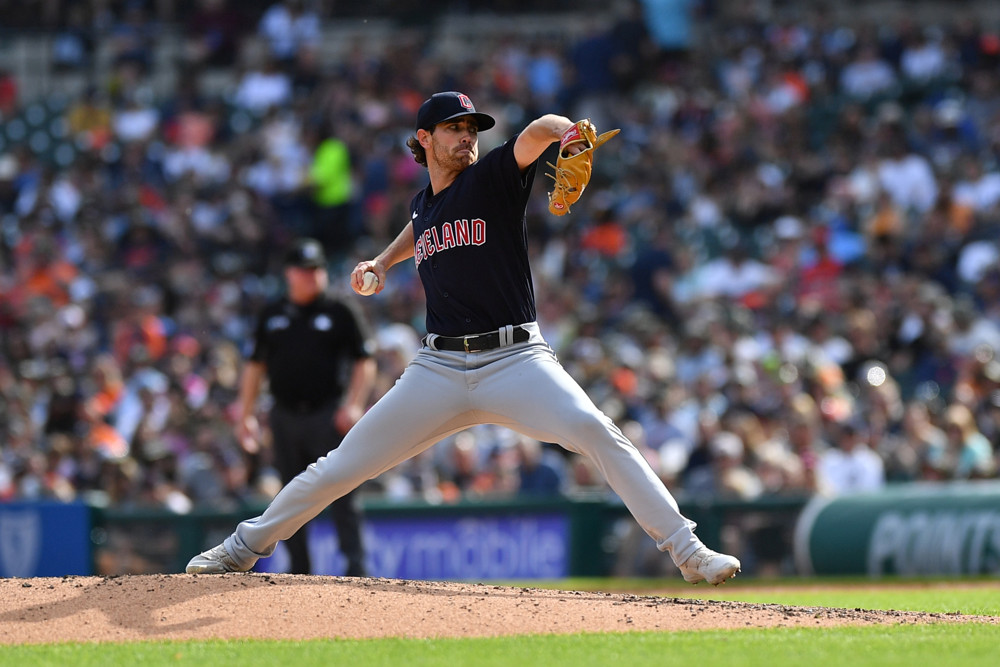
    Shane Bieber Showing That Velocity Isn’t Everything

    Remember when Kevin Pillar was hit in the face last year and he talked about how, in today’s game, velocity was more important than pitchability?

    When you look around the league you realize Pillar is completely right. If you can throw 95 MPH or harder, you’ll get a chance to pitch. It doesn’t matter if you know where it’s going or not. The average fastball velocity in MLB continues to increase each year.

    But Guardians pitcher Shane Bieber is breaking the trend of velocity over pitchability. Over the past 3 seasons Bieber’s average fastball velocity has dropped. There was a noticeable decrease once Bieber came back from a shoulder injury in 2021, and that injury could be playing a factor. When looking at his stats, he’s still an elite pitcher. His overall stats are not too different than past seasons, including his 2020 Cy Young season.

    Shane Bieber Fastball Usage

    Season Usage
    2018 57%
    2019 46%
    2020 38%
    2021 36%
    2022 38%<<

    >> 41% slider usage, up from 26% in 2021

    Bieber’s average fastball velocity dropped from 94 to 93 from 2020 to 2021 and then from 93 to 91 in 2022. With the lower-velocity fastball, his gameplan has completely changed, Bieber is throwing more SL than ever before. But his fastball is still his most important pitch because Bieber gets elite tunneling on his pitches and they all play off each other exceptionally well.

    The slider and curveball stay on the same plane as the fastball, and then they completely drop. Both breaking balls have great depth, which makes it even harder for hitters to pick up. Bieber does a fantastic job of commanding all his pitches to play off this tunneling effect.

    The Baseball Savant heat maps for his pitches are beautiful. He has a gameplan and executes it how he wants. He uses the fastball up to play off the big break of his slider and curveball. The best example of Bieber’s tunneling ability can be seen here, thanks to the Pitching Ninja. It makes him incredibly difficult to hit and Bieber’s intelligence on the mound is adding to the difficulty.


    With a lower average fastball velocity Bieber is pitching to more contact. His walk rate is down to 5.7% this season. The last season in which he had a lower rate was 2019. His pitches per plate appearance (3.69), which would be the lowest of his career if maintained. His strikeout rate isn’t as high as it usually is. It’s currently at 26.5% this season. That’s down from 41% in 2020 and 33% in 2021, but still good for 12th among qualified pitchers.

    Of course, fewer walks and strikeouts mean Bieber is giving up more contact. His contact rate is 71%, well below the league average of 76% but higher than either of his last two seasons. The key though is the quality of contact.

    Bieber’s hard-hit rate is currently at 31%, slightly above league average. The Guardians do rank 2nd in Defensive Runs Saved and I’m sure this gives Bieber more confidence in pitching to contact, knowing that he has a good defense behind him.

    Bieber does a great job of keeping hitters off balance. As we saw with his pitch usage, he has become a slider first pitcher, but depending on the count, he isn’t afraid to attack hitters with fastballs. He will attack RHBs and LHBs very differently, righties have seen only 30 of the 218 curveballs he’s thrown this season.

    Bieber Pitch Usage – vs LHB (RHB in parentheses)

    Pitch Type Usage              Bieber Ahead Bieber Behind 
    Slider 26%   (52%) 21%    (60%) 36%    (52%)
    Fastball 29%   (43%) 19%    (31%) 43%    (45%)
    Curveball 37%    (4%) 56%    (7%) 16%    (1%)


    Pitch Type First Pitch 2 Strikes Full Count
    Slider 32%    (47%) 12%    (59%) 35%    (50%)
    Fastball 35%    (51%) 24%    (29%) 35%    (45%)
    Curveball 17%    (.5%) 63%    (13%) 30%    (4%)

    The fastball gets its highest usage when Bieber needs a strike. This is when hitters need to attack him or else the at-bat gets more and more difficult.  His slider and curveball both get around 40% whiff rates, which is why he loves going to these pitches when he’s ahead and with 2 strikes.

    Left-handed batters have an incredibly difficult task when trying to figure Bieber out. He uses all three of his main pitches consistently against them. Righties only have to worry about the fastball and slider.

    He also mixes in a nasty backdoor slider to LHBs that he can spot on the corner consistently. The splits certainly prove this.

    LHB slashline     .195/.231/.293                 32% K rate

    RHB slashline    .285/.335/.424                22% K rate

    Bieber does mix in a changeup 3% of the time, with all but one being thrown to LHBs. The majority of those changeups are thrown first pitch to those lefties, when Bieber is trying to steal a strike. That’s just another wrinkle he keeps in his back pocket.

    Other than one start against the Blue Jays, Bieber has been elite all year. He’s allowed 3 runs or fewer in 12 of 13 starts and pitched at least 6 innings in 9 of 13. His 3.00 ERA is good for 28th in MLB among those with at least 50 innings pitched (which puts him in the top 25% of that group). He’s showing that if you throw 91 MPH fastballs you can still get outs by pitching intelligently and commanding your pitches.

    Even with all the changes Bieber has made, he is still considered one of the best pitchers in baseball. Usually when pitchers lose velocity and have to change, they struggle for a season or two.  The 27-year-old Bieber, has proved even before his prime that he is one of the more intelligent pitchers in the game today. I’m excited to watch him transform as he progresses and maybe he will be able to add velocity again, or maybe he will use the Justin Verlander strategy, and save some for late in games.

    Either way, Bieber is one of the best pitchers in baseball to watch today, and one of my favorite pitchers to watch and try to think along with. Try to lock in on one of his starts and see how difficult it is for hitters to try and figure him out!

  • College Baseball Prospect Rankings: No. 3 – Henry Davis

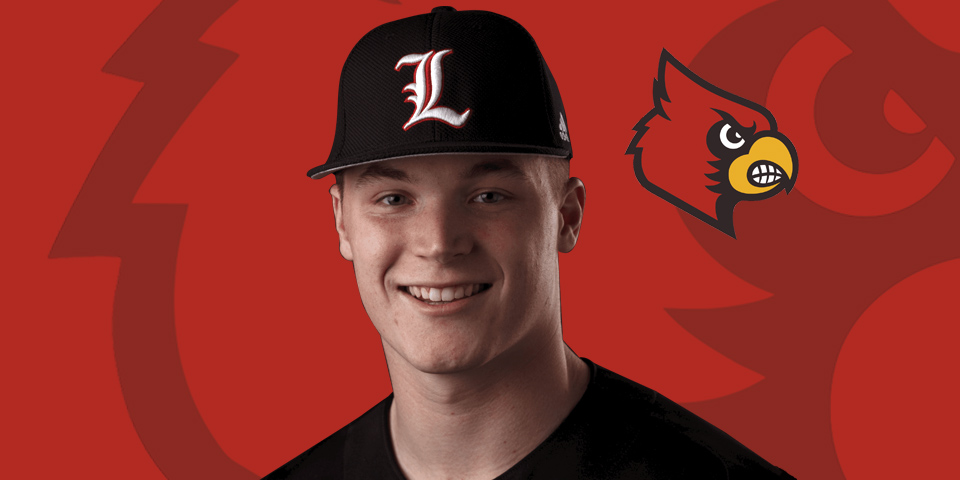
    College Baseball Prospect Rankings: No. 3 – Henry Davis

    Over the next couple weeks leading up to the 2021 MLB Amateur Draft, Sports Info Solutions will be publishing a series of scouting reports from three of our Video Scouts for the top-10 collegiate draft prospects and five honorable mentions. Each player is graded by the 20-80 scouting scale, given a comprehensive evaluation, and assigned a floor and a ceiling comparison, which indicate–if a player makes the Major Leagues–the range of the type of player into which he can develop.

    To read all the reports, click here.


    Henry Davis

    College Louisville (Soph 2021)
    Bio R/R 6-2 210
    Date of Birth 9/21/1999
    Hit 55 (65)
    Power 60 (70)
    Run 40 (45)
    Field 40 (45)
    Arm 65 (70)
    Future Value 65

    Written By Dominick Ricotta

    Analysis

    Henry Davis is by far the best bat in the 2021 MLB Draft. That is not a knock on any other player in the draft, as there are some good hitters out there, but Davis is on his own planet when comparing him to the others. He has the ability to barrel up any pitch, has a great approach at the plate, and is incredibly strong.

    If you like exit velocity, Henry Davis will be one of your favorite hitters. As a catcher he can struggle to frame and block pitches but his arm is elite and makes up for some of his deficiencies defensively. 

    Early College Career

    Davis had a quiet freshman year at Louisville in 2019, slashing .280/.345/.386 with 3 HR in 132 AB. He struck out 18 times and walked 13 times, which is fantastic as a freshman and shows he has always had an understanding of the strike zone.

    In the shortened 2020 season Davis’ numbers jumped dramatically. He finished with a slash of .372/.481/.698 with 3 HR in 43 AB, adding 8 walks and 4 strikeouts. Of course 43 at-bats is too small of a sample size to be sure that Davis could sustain that for an entire season, so 2021 was a big prove it year for him.

    Behind the plate Davis successfully caught 12 out of 35 base stealers in 2019 and 2020 combined. He also allowed 13 passed balls, which many scouts thought would be an issue if Davis wanted to stay at catcher.

    2021

    Davis certainly proved that 2020 was legit. He finished 2021 hitting .370/.482/.663 with 15 HR in 184 AB. The most impressive part of the season might be his 31 walks and 24 strikeouts, not many hitters have more walks than strikeouts throughout a season. It’s a testament to his elite eye and approach at the plate, which is different from most power hitters that we see today. 

    Defensively he caught 13 of 28 base stealers and had 3 passed balls. He showed great improvement blocking pitches in the dirt in 2021.

    If you like exit velocity, Henry Davis will be one of your favorite hitters.

    Scouting Report

    In the batter’s box Davis does not try to do too much, he has a simple approach and a great eye. His barrel is flat through the zone which translates to a lot of line drives. He doesn’t try to pull or lift the ball, he sprays hits to every part of the field. He has an unreal amount of raw power that even with this approach he still hits home runs and extra base hits. 

    Davis has a slightly open stance, with his knees bent similar to how Albert Pujols bends his knees. His leg kick is unusual, he sways his foot towards home plate and then back to where it lines up with his back foot, so when he swings his feet are level. This type of leg kick puts him on his back leg and almost anchors it down, which gives him the ability to generate power from that back leg. 

    He holds his hands near his right shoulder with the bat resting on his shoulder. When he loads up he gets great extension and really coils his body to get ready to explode to the ball. On the load up he puts the head of the bat behind his head, which can be problematic, but because of Davis’ short swing and quick hands it doesn’t affect him. 

    Davis uses his quick hands to cover every part of the strike zone. He can turn on an inside pitch and barrel it up, one of the more impressive at-bats from him this season was against Ryan Cusick (No. 9-rated prospect). Davis turned on Cusick’s explosive 95mph fastball inside for a home run. Davis does a great job of pulling his hands into his body and he is so strong he trusts that if he can get the barrel to the ball it will go far. 

    If a pitcher pitches him on the outside part of the plate Davis is happy to take that pitch up the middle or the other way. If the pitcher tries to pitch high in the zone, Davis has that great level swing path that allows him to reach those pitches. He is an incredibly tough out because of his willingness to keep it simple, taking what the pitcher gives him, focus on hitting line drives, and putting the ball in play.

    Davis’ eye at the plate is another reason why he is so difficult to get out. His 31 walks to 24 strikeouts in 2021 shows just how patient he is.. He waits for his pitch that he feels he can drive, he doesn’t beat himself by chasing bad pitches. He seems to like being aggressive in high leverage situations, swinging at the first pitch frequently with runners in scoring position.

    If he does happen to get fooled on a pitch Davis does a great job of adjusting mid-swing. His leg kick gives him the ability to stay back as long as possible so he can adjust to the breaking balls. His hands are so quick that if he gets fooled on a fastball he can make up for it and still do damage.

    Behind the plate Davis is an intriguing fielder. Because of his 6-1 210 frame he struggles to crouch down low like a traditional catcher would. When there is nobody on base he drops down to one knee.

    Every other situation he is on both feet in the crouch. He tries to widen his legs as much as he can to get low, but that leaves a huge gap between his legs and also affects his ability to slide laterally and blocks pitches that aren’t right at him. Davis blocks pitches with his glove instead of dropping to his knees to use his chest protector. He actually did a great job blocking pitches with his glove but it isn’t a sustainable technique, especially when MLB pitchers throw harder and have more spin on their pitches.

    Davis needs some work on framing but his big body makes that difficult. He can’t subtly move behind the plate and steal pitches. His defense behind the plate is probably the only thing that will need to improve for Davis to be a star at the next level. 

    One part of his defense that won’t need to improve is Davis’ arm. He has an elite arm that makes up for his slower pop time. The throws are incredibly strong and accurate, which made it difficult to run on him. Most catchers his size can struggle with catching base stealers but it might be the thing to keep him behind home plate as he progresses through the minors.

    Summation:

    Henry Davis will be a successful MLB player if he keeps on the path he is on right now. His raw power at the plate is going to improve and translate to more home runs and extra base hits. He will start to understand the strike zone and situations even better than he already does. His defense will most likely improve but if not he can be a DH or possibly even first base since his hands are so good.   

    Projection:

    Multiple All-Star appearances, .300 avg potential

    Ceiling: Travis d’Arnaud (when healthy)

    Floor:  Omar Narváez

    Draft Prediction: Top-5 pick

  • College Baseball Prospect Rankings: No. 9 – Ryan Cusick

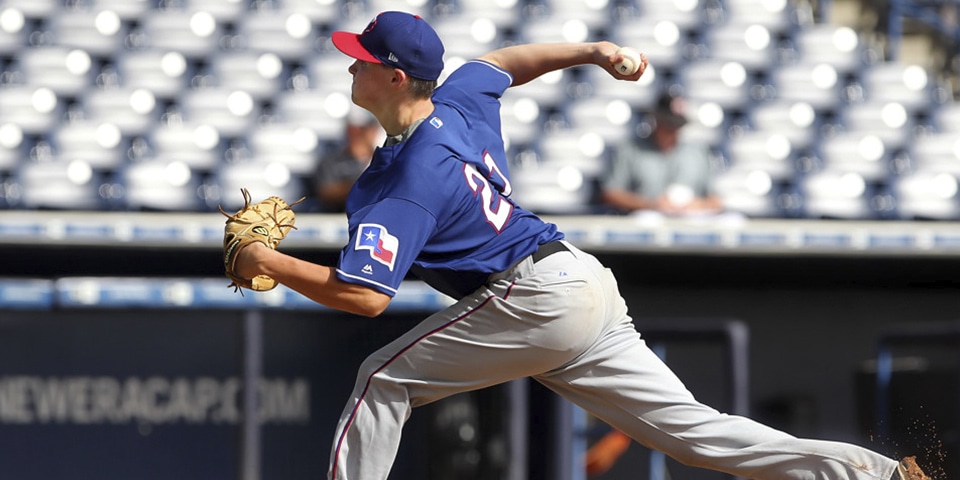
    College Baseball Prospect Rankings: No. 9 – Ryan Cusick

    Over the next couple weeks leading up to the 2021 MLB Amateur Draft, Sports Info Solutions will be publishing a series of scouting reports from three of our Video Scouts for the top-10 collegiate draft prospects and five honorable mentions. Each player is graded by the 20-80 scouting scale, given a comprehensive evaluation, and assigned a floor and a ceiling comparison, which indicate–if a player makes the Major Leagues–the range of the type of player into which he can develop.

    To read all the reports, click here.

    Ryan Cusick, RHP

    College Wake Forest University(So.2021)
    Bio R/R 6-6, 235 Ibs
    Date of Birth 11/12/1999
    Fastball 65(70)
    Curveball 55(65)
    Change Up 30(35)
    Control 35(45)
    Future Value 55

    Written by Dominick Ricotta

    Analysis:

    Cusick is one of the most interesting arms in the 2021 draft class. He has electric stuff and has been dominant at times, but his control is a big problem. His ceiling is extremely high because of his exploding fastball (90-101MPH) and sharp breaking ball (72-85 MPH) but he also has the potential to struggle due to the control issues.

    Cusick has been moved up and down draft boards all season because he will need some work, but has the raw tools to be an elite pitcher at the next level. Right now he profiles better as a reliever than a starter, since he only has two legitimate pitches, but he has been trying to develop a third pitch in a changeup (87-93 MPH). Cusick has swing-and-miss ability with both his fastball and curveball, striking out 108 batters in 70 innings. On the flip side, he has also walked 32 batters and has thrown 7 wild pitches in those 70 innings, which highlights his control issues. His 2021 stats are not great, but when you watch Cusick you see the elite potential right away. His best stat is 13.9 K per 9, which ranked ninth in the nation.

    Cusick is an imposing figure on the mound at 6 feet 6 inches and a solid athletic body.  His release is from a high ¾ slot and everything he throws comes downhill. His motion is simple but tends to be inconsistent, which plays into the control issues.

    Once he gets into his motion he holds his hands around his stomach and has a small glove tap as his leg comes up. His right arm drops back fairly slowly, with good extension, and then explodes as he starts to throw the pitch. He comes at the batters with a slight crossfire but the plant foot can get lost at times. Cusick leans back slightly when he plants his foot and this can cause him to fly open too early. 

    Cusick’s fastball is by far his best pitch and his favorite pitch (we estimate about 70% usage). The ball explodes out of his hand with rise and tail to it, topping out at 101 MPH. Cusick already has the ability to get good spin on the ball. Per FanGraphs, his 2,400 RPM average spin on the fastball is higher than the MLB average of 2,350 rpm. When used in the top of the zone it can be nearly impossible to hit. At best, batters, foul it back because the great rise on Cusick’s fastball coupled with its location at the top of the zone makes it hard to get on top of the pitch.


    While Cusick’s fastball is his best pitch, his curveball can be his key to climbing up the ranks to the MLB.

    At Wake Forest this season Cusick was trying to throw the fastball low in the zone but would frequently miss up and the ball would end up belt high to the batter. This is when Cusick would get hurt and pitches would get hit hard off of him. When he committed to pitching up in the zone he was able to overpower more hitters and miss more bats. If he keeps doing that consistently, he should be able to have more success.

    While Cusick’s fastball is his best pitch, his curveball can be his key to climbing up the ranks to the MLB. It is a big breaking ball with sharp downward movement and it tunnels well with his fastball before it falls off the table. At its best it has 12-6 movement, but he can also make it slurvy. He isn’t afraid to throw the pitch in any count, and has the ability to throw it for a strike to start an at-bat or can bounce it and get missed swings to end an at-bat.

    The reason for the 55 current value on this pitch is because of Cusick’s inability to throw a consistent breaking ball every time. He can get wild and leave the breaking ball up in the zone or it can lack spin and not break as sharply. A lot of times when he misses, he misses up and to his arm side, which is most likely due to his motion and flying open too early. 

    There were times during 2021 where he did not have his breaking ball at all, which meant hitters could sit fastball and do damage on that pitch. It will be important for him to make this pitch consistent because when it’s on, it’s one of the better breaking balls in the draft and it plays off his fastball very well.

    The spin rate on his curveball is below the MLB average but has room to grow. Whichever team drafts him should be able to help him spin it and control it even better. 

    Cusick did not throw his changeup very often this season (only a couple per game) and when he did throw it, it wasn’t great. It doesn’t have much vertical drop to it but it has a lot of horizontal run. It definitely needs work to become a pitch he can use going forward, even if he can’t get it to have great vertical drop.

    Having a pitch that moves horizontally and at a different speed to play off of his two main pitches will be important to keep hitters off balance.

    The biggest thing for Cusick will be improving his control. His 4.1 BB/9 will obviously need to be lowered to succeed at the next level. When he misses he misses big, the pitches end up far out of the zone or on the other side of the plate from the catcher’s glove. He had one start this season with no walks but gave up 6 runs and 4 home runs in 6 1/3 innings pitched. Instead of missing out of the zone he was missing badly in the zone leaving a lot of pitches in the middle of the plate. 

    His pitches are so good that he does not need to spot everything perfectly. He just needs to be in the right quadrant of the zone. He had six games this season with at least 10 strikeouts, including 2 games with 12 strikeouts against two good offenses in Notre Dame and Florida State. Even when Cusick gives up walks or home runs he is never shaken and battles through these starts. He’s shown resiliency on the mound and always focuses on the next pitch and the next batter. He had only one start shorter than 5 innings all season. 

    Summation:

    Cusick has certainly shown he has the tools to be an elite level pitcher in the MLB. He will need some work but could end up being a top-of-the-rotation starter if he develops a third pitch. Tyler Glasnow is the pitcher Cusick should be looking to emulate his game after. Glasnow was good with his fastball-curveball combination but once he added his slider he became one of the best pitchers in baseball (pre-injury).

    If Cusick can’t figure out a 3rd pitch, his fastball and curveball combination is still good enough for him to become an important bullpen piece. As long as his command improves in the minors, Cusick will be in the majors in no time. The mental toughness shown throughout an up and down 2021 season is a great sign that while facing adversity Cusick can still be successful. 

    Projection:

    Frontline starter that will have high strikeout numbers, All-Star potential in a best-case scenario.

    Ceiling: Tyler Glasnow

    Floor: Nick Pivetta 

    Draft Expectation: Middle of 1st round