Tag: Bill James

  • Bill James Handbook Excerpt: Baserunning In Its Own Self

    Bill James Handbook Excerpt: Baserunning In Its Own Self

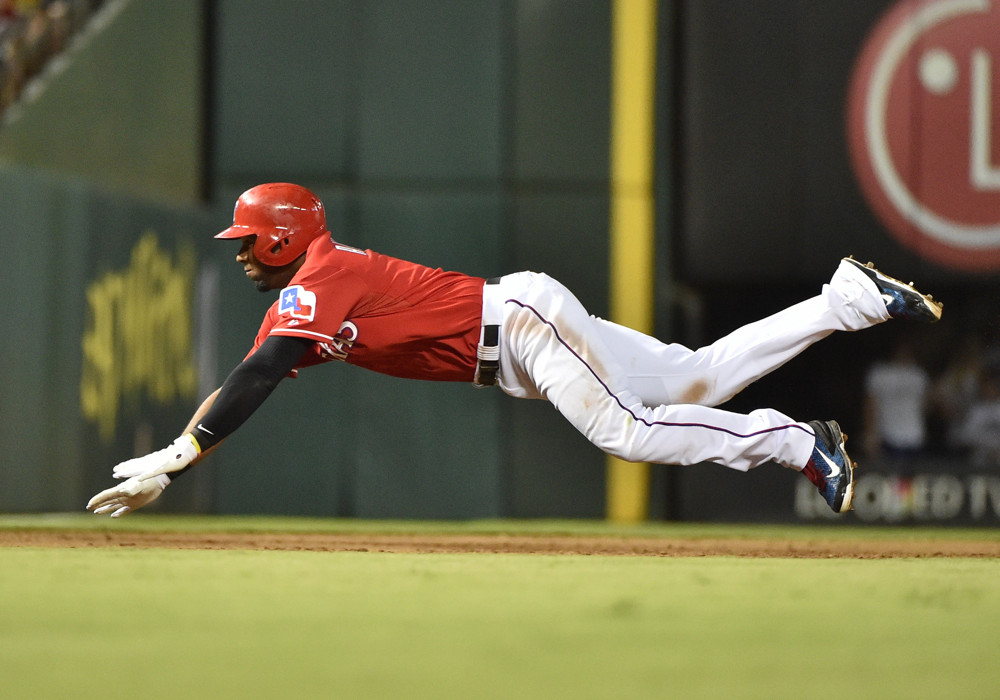
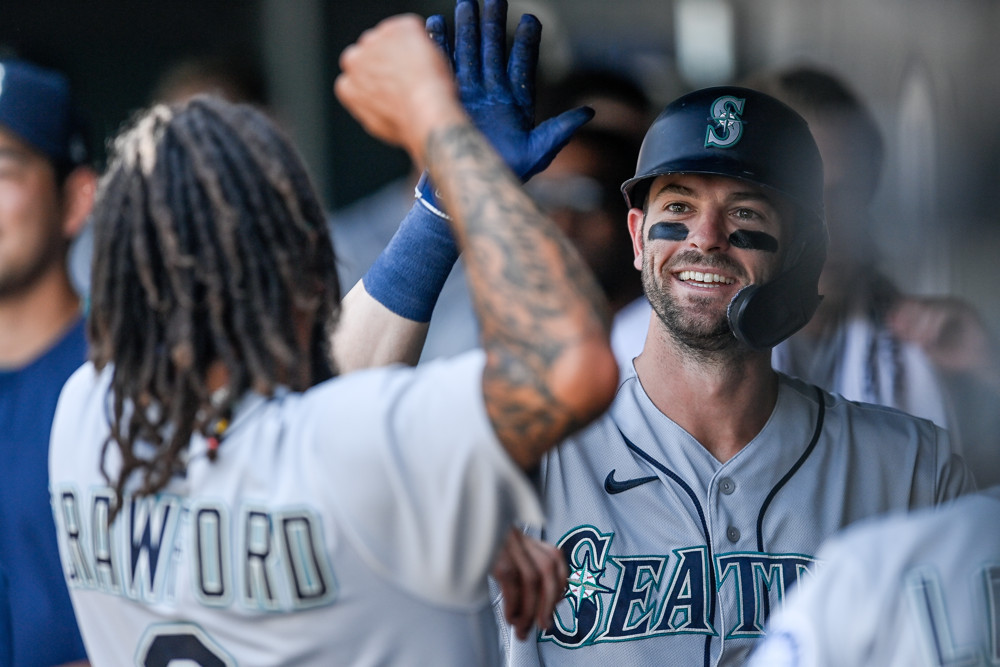
    Photo: Manny Flores/Icon Sportswire

    The following is an excerpt from The Bill James Handbook, Walk-Off Edition, which is available for purchase now at ACTASports.com.

    In my youth, baserunning was mostly a field of conjecture. In 1960 those in the game and those into the game would have known that Maury Wills was very good at going from first to third on a single; Wills, or Aparicio, or Willie Mays or Bill Bruton or Jimmy Piersall or Minnie Miñoso or any other player who was observed to be a fast runner. They would have known that Joe Adcock was poor at going from first to third on a single, or Dick Stuart or Elston Howard or Jerry Lynch or Ted Kluszewski or anyone else who could be observed to be a slow runner.

    There was a general understanding, unconnected to specific facts. Billy Bruton was said to be the fastest man in baseball, perhaps. But how often did he go from first to third on a single? 90% of the time, or 50%? No one knew. How many times a year was Bruton on first base when a single was hit? 30 times, or 200? No one knew. Since Bruton was past his 20s, had his ability to go from first to third on a single declined with age? No one could know.

    What of his ability to score from second? What of his ability to move up when a pitch was in the dirt? What of his ability to score from first on a double? Unknown, unknown, unknown…. None of this was given to Heywood Hale Broun to understand. Heywood Hale Broun was a sportswriter of the time—an
    actor, songwriter, author, sportswriter and broadcaster; look him up. A randomly chosen 1960s sportswriter. He knew many things that I will never know, old HHB, but how often Orlando Cepeda might score from first on a double was not one of them. Not wanting the conversation to suffer from this oversight, the sportswriters of the time would just make stuff up to fill in the gaps. I’m not suggesting that Heywood Hale Broun would make anything up, and the sportswriters and broadcasters who did would not make up specific facts. They would not tell you that Chico Fernández was 21 for 37 at moving from first base on a single, because they had never hit the realization that there was an underlying fact there that could actually be counted.

    They would not tell you specific phony facts, but they would offer deep insights based on their experience. They might tell you, if they were broadcasting for the St. Louis Cardinals, that Julian Javier did not lead the league in stolen bases, but he was better than anybody in baseball at going from first to third on a single.

    The broadcaster from the Philadelphia Phillies might tell you that Tony Taylor was the best baserunner in the league, and the broadcaster from the Cincinnati Reds might tell you that Vada Pinson was the best baserunner in the league, and the broadcaster for the Pittsburgh Pirates might make the same claim for Bill Virdon, and all of these people were telling you the truth as they saw it. And the guy who would tell you that no one ever went from first to third against Rocky Colavito, he was telling you his truth as well, and the guy who would tell you that Joe DiMaggio was never in his career thrown out on the bases trying to stretch a hit, he was telling you what many other people had told him.

    That one was actually very common; old sportswriters from the 1940s were very fond of saying that Joe DiMaggio was never thrown out on the bases in his career. Seriously, they would say that. It was part of the DiMaggio-vs.-Willie Mays dispute. Sportswriters of the 1940s would say that Joe DiMaggio was the greatest all-around player of all time, while sportswriters of the 1950s would say the same about Willie Mays and would argue that Mays did everything that DiMag did and stole more bases in a year than DiMaggio did in his career. The 1940s guys would respond that DiMaggio didn’t steal bases, but he was never thrown out on the bases in his career. The fact that DiMaggio made four unforced outs on the bases in World Series games did not bother them, because what’s too awkward to remember, you simply choose to forget (October 2, 1936, 1st inning; October 3, 1947, 3rd inning; October 9, 1951, 7th inning; and October 10, 1951, 8th inning).

    One time I heard an announcer say that Roger Maris prevented two baserunners a game from moving to third base on a single. Who’s going to argue with him? There’s no data. There’s no facts; you can say anything you want. If you liked Ellis Burks better than Barry Bonds, you could say that Burks was a better baserunner than Bonds, and nobody could prove you were wrong. It was a Rorschach space; you could see what you believed was there.

    Our battle to replace speculation with knowledge began in the 1990s and began to get traction about 2004. A huge roadblock was getting people to let the facts speak for themselves. I started arguing for counts of how often a runner went from first to third on a single about 1996, I think, but for several years the discussion was backed by people who wanted to not count this and not count that. Obviously, they would say, you can’t count situations when the play starts with a runner on second base, because maybe the runner can’t go to third. (Actually, a runner from first goes to third a little bit MORE often when there is a runner on second, because he sometimes has an opportunity to move up on the throw home.) Obviously, you can’t count infield singles, and obviously singles to right field are very different from singles to left field. Singles that are hit directly at the fielder are obviously different; there’s no chance to move up on those, and wouldn’t the numbers be very different with no one out than they would be with two out?

    All statistics group together unlike things to a certain extent, and I agree that it is important to recognize those differences. All doubles are not the same. A ball hit down the line is different from a hustle double in shallow center is different from a ground rule double is different from a ball that hits the wires supporting the catwalk in Tampa Bay.

    But in this case, if you count EVERYTHING, count every situation in which there is a runner on first base and a single is hit, you wind up with good, meaningful data. Elvis Andrus in his career through 2022 was 74 for 111 at scoring from second base on a single, 67%, while Carlos Santana was 43 for 119, 36%.

    If you just count everything, the data will speak for itself. The process of accumulating the data will even out MOST of the “bias” problems, not all of them, of course. If you throw out cases when there is a runner on second base, and you throw out infield singles, and you throw out the cases when the ball is hit right at the fielder, and then you divide the data into subgroups of one out and two out and three out and subgroups of balls hit to left, right and center, you don’t have meaningful data, you just have a lot of 3-for-6s and 2-for-4s. In retrospect, it is obvious that the data works if you just leave it alone and let it speak for itself, but it took me several years to get past the resistance from people who didn’t think that we should count these and didn’t think that we should include those.

    Conceptual clarity. The point I am trying to make is that there is a big difference between the job of a statistician, which is to count things, and the job of a researcher, which is to figure out what should be studied, what should be counted, and how it should be counted. Conceptual clarity means that you have a clear, clean definition of what you are counting. You should be able to explain it in one simple, easily understood sentence. In studying baserunning, we had to focus on what was most helpful for us to count. Runners going from first to third on a single, but what else? We settled on seven major categories to describe baserunners, granting that those seven categories don’t get everything that makes one baserunner different from another. The things we published in this section in the past are:

    (1) Runners going from first to third on a single. The major league norm is 28%.

    (2) Runners scoring from second on a single; the norm is 59%.

    (3) Runners scoring from first on a double, the norm is 44%.

    (4) Batters making outs on the bases, of which there are two basic types, runners thrown out advancing and runners doubled off,

    (5) Grounding into a double play vs. double play opportunities, an opportunity being any time there is a runner on first and less than two out,

    (6) The Net Gain on stolen bases, meaning Stolen Bases above the level of two stolen bases per caught stealing, which is more or less a break-even percentage, and

    (7) Bases Taken

    Bases taken had to fight their way through the same kind of edge-definition issues as runners going from first to third on a single. A Base Taken is a base on which the runner moves up on a documented event. Certain baserunning occurrences are documented as defensive failures or offensive accomplishments, but not otherwise documented as a baserunning event. A Wild Pitch or a Passed Ball occurs when the pitch gets away from the catcher, but also when the baserunner is alert enough, aggressive enough and fast enough to get his butt in gear and move along to the next little white square before he is thrown out. It’s a failure by the pitcher or catcher AND a success by the baserunner. Successes and failures are like that in sports; they tend to balance. What one player does, some other player has allowed.

    A limited and specific list of documented events, because an unlimited list introduces too many problems of conceptual clarity. Wild Pitches, Passed Balls, Balks, Sacrifice Flies and Defensive Indifference are all situations in which a baserunner moves up if he has the speed and daring to move up, but which are not otherwise documented as baserunning events. OK, Balks are a little bit different, but good baserunners FORCE balks to occur. In 2022 there were 2,486 stolen bases in the major leagues, but 4,385 Bases Taken. The 2023 rules brought baserunning closer to the level of Bases Taken (3,503 steals, 4,594 Bases Taken). It doesn’t make any sense NOT to account for them, and then fill in the blank spaces with speculation.

    Nonetheless, as it did for runners going first to third on a single, it took me several years to get them added to the record because a lot of people have opinions about the subject but have no respect for conceptual clarity. We had several years of battles with people who would say “What about if a runner reaches on a single but moves to second base on a throwing error? Shouldn’t that be counted, too?”, or “What about sacrifice bunts?”, or “What about runners moving from second to third on a fielder’s choice, or first to second on a fielder’s choice, or third to home?”, or “What about runners who score from third on a double play ball?”, or “What about a runner who moves from second to third on a fly ball?” Shouldn’t those be counted, too?

    Sure; count them. But give your categories sharp edges. In the 1890s, an official scorer had discretion to credit a baserunner with a stolen base if he went from first to third on a single, or in other situations. Sometimes he or she would, sometimes he or she wouldn’t (there were female official scorers in that era, yes). That’s fuzzy-edge record keeping. Define your concepts so that you know what it is you are counting. If you start including things like runners moving from second to third on a ground ball to the second baseman, you’re not balancing the scales by crediting the baserunner’s side of an already-documented event, you’re creating a new category. You’re losing focus, losing conceptual clarity. Go ahead if you want to do that, but try to present the reader with clear concepts which have known parameters.

    Though the Handbook is coming to a close, there are resources, such as Baseball-Reference, where you can find this information. Baserunning is too important to be allowed to sink back into a tar pit of speculation. We have done what we could do to replace conjecture with understanding.

  • Bill James Handbook 2023 Excerpt: A Sizable Portion

    Bill James Handbook 2023 Excerpt: A Sizable Portion

    The Bill James Handbook 2023 is more than 600 pages long and thus it is hard to encapsulate what makes the book so interesting within a short summary.

    But nevertheless we try. And we want to give you a full scope of what this book has to offer, in the hopes that you’d consider buying it

    (click here if you wish to purchase)

    With that in mind, here are excerpts from nine sections in the Handbook to give you a better sense of the kind and range of content we provide. You’ll find everything from cerebral discourse to entertaining and unusual anecdotes.

    OPS and Runs Scored (Bill James)

    “The relationship of OPS to Runs Scored by a team is exactly and precisely the same as the relationship of run elements to runs scored. It isn’t loosely a relationship of squares; it is precisely a relationship of squares. If one team has an OPS 10% higher than another team, they will not score 10% more runs. They will score 21% more runs. EXACTLY 21% more, on average.

    “And if a hitter has an OPS+ of 110, he is not creating 10 more runs than an average hitter. He is creating 21% more runs than an average hitter.”

    Predicting Injury Risk (Sarah Thompson)

    Xander Bogaerts rates as the hitter with the highest predicted injury risk entering 2023. He has the best chance of sustaining an IL-worthy injury.

    “Since 2021, Bogaerts boasts the second-highest number of sliding, diving, and jumping attempts at 150. Sacrificing the body to make an out is great from a team-player win-at-all-costs perspective, but not from a health perspective. Given that he’s only made outs on 10 of his last 72 diving attempts, it may be better for all involved if that particular approach started to taper a bit.”

    World’s Best Hitter (Mark Simon)

    “If you’ve seen those pictures of Aaron Judge next to an average-sized player and marveled at how large Judge is, the gap between him and Paul Goldschmidt for World’s Best Hitter is now that large. It’s about the same as the gap between the No. 10 hitter, Jose Ramirez, and the No. 57 hitter, Jorge Polanco.”

    Relief Pitching (Jackson Lewis)

    “I’ll start by giving the Orioles’ relievers props for producing in virtually any scenario. Leading the league in ‘tough save’ opportunities and inherited runners doesn’t exactly make life easy, but nonetheless they delivered, turning in league-leading conversion rates for tough saves (72%) and overall saves (81%).”

    Tough saves are those earned when a reliever enters with the tying run on base.

    The Manager’s Record (Bill James)

    “Brian Snitker was the most successful at choosing his moments for an IBB, giving up 21 of the suckers, of which 18 got the result that Snitker was looking for, which would be getting out of the inning without any more runs being scored.”

    2022 Leaderboards (Alex Vigderman)

    “NL relief opponents batting average vs LHB and vs RHB: The Diaz siblings top each list! So cool.”

    Indeed, left-handed batters hit .101 vs Edwin Diaz and right-handed batters hit .107 vs Alexis Diaz.

    Manufactured Runs, Productive Outs, and Unproductive Outs (Sarah Thompson)

    “The Cleveland Guardians finished the regular season scoring 698 runs, 15th in MLB and just four runs above the MLB average. They also finished the season hitting the second-fewest home runs (127), ahead of only the Tigers (110), who scored the fewest runs in baseball (557).

    “In this current baseball climate, those facts don’t usually add up. So where did the Guardians runs come from? They manufactured them. The Guardians co-led MLB in Manufactured Runs with 170 … What comprises a Manufactured Run is a little complicated, but know that sacrifice bunts, steals, hit and run plays, bunt hits, and infield hits are important.”

    Win Shares (Mark Simon)

    “I’d like to close with my favorite Win Shares stat. Mike Trout is MLB’s overall leader in Win Shares dating back to 2004. His 341 are one more than Joey Votto’s 340.

    “Trout didn’t debut until 2011.”

    Pitcher Fielding & Holding Baserunners & Hitters Pitching (Brian Reiff)

    “Christian Bethancourt, meanwhile, made his long-awaited return to the majors this year – long awaited, that is, by two-way player enthusiasts. In 2017, Bethancourt played in 44 games as a hitter and 34 as a pitcher for the Padres Triple-A affiliate. Five years later, he only managed to make a pitching appearance in four games across stints for the A’s and Rays, but made the most of them, allowing only one run in four innings.”

    We hope you enjoyed these snippets and hope you’ll consider buying the Handbook (click here if you wish to purchase).

  • Bill James Handbook Excerpt: World’s No. 1 Starting Pitcher

    Bill James Handbook Excerpt: World’s No. 1 Starting Pitcher

    This is one of many articles appearing in The Bill James Handbook, 2023. The Handbook contains original research, essays from Bill James, Rob Neyer, Joe Posnanski, and Bobby Scales, our hitter and pitcher projections for 2023, and much more. The 34th annual edition of the Handbook is available now at ACTA Sports or wherever you get your books.

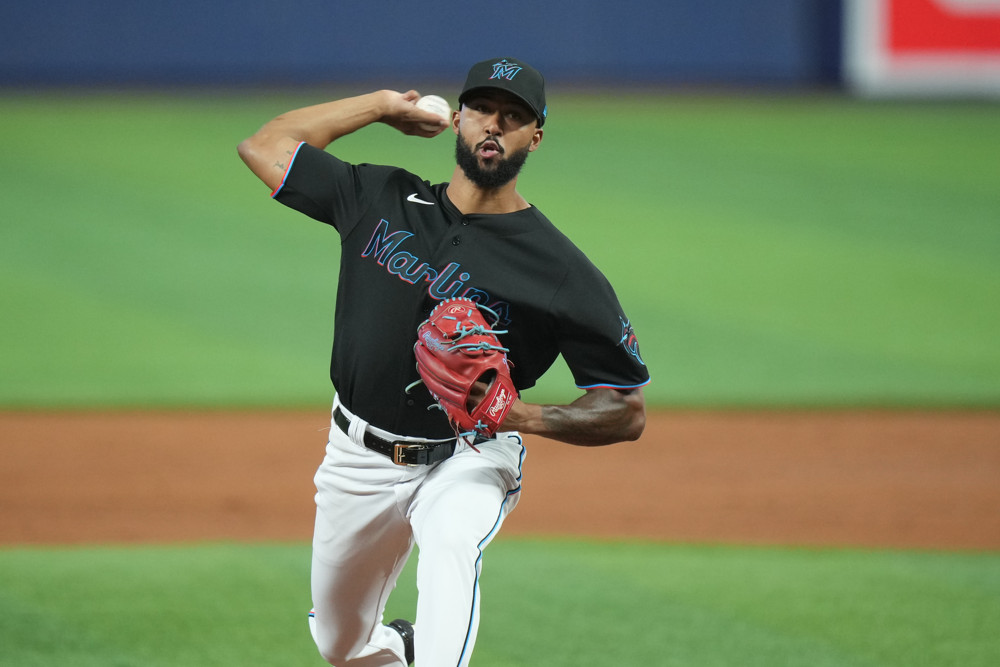
    Thank <insert deity of your choosing> for Sandy Alcantara.

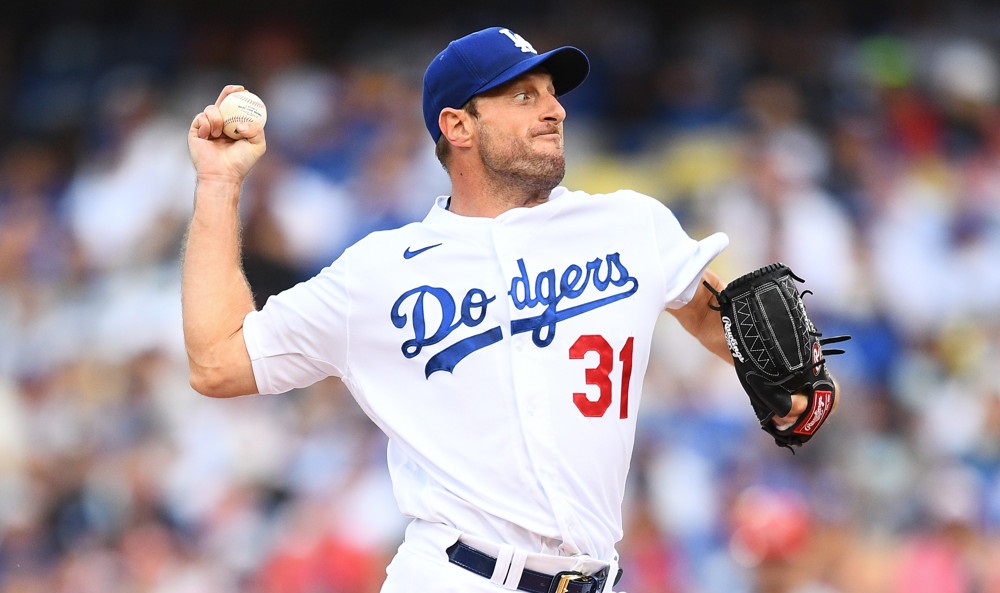
    The Marlins ace finished the season with three straight starts of eight or more innings and one earned run allowed, claiming the crown of World’s No. 1 Starting Pitcher from Max Scherzer.

    If you’re curious how the rankings work, read this article from Bill James. In brief, World’s No. 1 Starting Pitcher uses a pitcher’s collective game-by-game Game Score as its basis. Most recent performance is most important.

    First off, I’m glad to see some new blood at the top of these rankings. Since the start of 2019, one of Gerrit Cole or Scherzer has held that spot more than 80 percent of the time.

    But more importantly, Alcantara is a counterweight to the general decline of the workhorse in a world that’s changing how it views starting pitching.

    Back in 2010, Félix Hernández won the AL Cy Young Award with a league-leading 2.27 ERA and 249.2 innings pitched. That result reflected a change in the way we view pitching excellence, because his 13-12 record paled in comparison to his closest competitors.

    (He finished that regular season as the World’s No. 1 Starting Pitcher but lost the crown to Roy Halladay in the playoffs. Halladay no-hit the Reds in his first playoff outing, a game which I was fortunate enough to attend.)

    Last year, Corbin Burnes’ selection as the NL Cy Young winner might be indicative of another shift in the mindset of award voters. Almost all modern Cy Young winners have thrown 200 innings, but Burnes took home the hardware with just 167 innings. If he had missed one more start—he made 28—he wouldn’t have qualified for the ERA title.

    Burnes wasn’t the World’s No. 1 Starting Pitcher at any point in that season, because he was not elite prior and didn’t pile up enough elite innings to make a quick ascent. He did claim the title for a stretch this summer when he didn’t allow more than three earned runs for a month.

    Alcantara blends the old world and the new world. He throws as fast a fastball as anyone, and he also doubled the next-most complete games by a starter this year. (You can find both of those facts in the Leaderboards section of our book!)

    All right, enough about the top guy; let’s find a transition to other topics.

    Speaking of new things and fastballs…the highest-ranked player who is new to the list is Atlanta’s Spencer Strider, who didn’t even start a game until May 30th. Last year’s best debut was Alek Manoah, whose All-Star campaign in 2022 got him into the top ten by the end of the year.

    In terms of quality pitching staffs, it’s no surprise that playoff teams dominate this list. The Astros, Dodgers, Braves, and Cardinals each have at least four pitchers in the top 60, and the Brewers just barely missed the postseason with the same qualification.

    On the flip side, six teams didn’t have any starters in the top 60. The odd team out in that group is the Orioles, who had a winning record and won 17 more games than any of the others without a top-60 starter. The Nationals didn’t have a starter in the top 100 (if only barely), with Josiah Gray ranking 101st.

    World’s No. 1 Starting Pitcher Leaderboard

    Through end of  2022 regular season

    Rank Player Opening Day Rank May 1 Rank June 1 Rank July 1 Rank Aug. 1 Rank Sept. 1 Rank Oct. 5 Rank
    1 Alcantara, Sandy 15 14 4 2 3 2 493
    2 Scherzer, Max 1 1 1 5 1 1 492.1
    3 Urias, Julio 13 10 13 10 9 4 483
    4 Cole, Gerrit 3 4 3 3 4 3 482.4
    5 Burnes, Corbin 7 2 2 1 2 6 482.2
    6 Fried, Max 8 6 6 4 5 5 480.9
    7 Cease, Dylan 35 29 25 21 8 7 480.8
    8 Gallen, Zac 50 42 34 38 30 12 480.2
    9 Ohtani, Shohei 31 28 23 15 13 15 479.3
    10 Manoah, Alek 44 25 20 17 16 20 477.1
    11 Darvish, Yu 22 26 26 20 14 16 476.7
    12 Nola, Aaron 25 21 14 7 7 13 476
    13 Woodruff, Brandon 9 11 18 27 18 24 475.3
    14 Rodon, Carlos 29 17 24 13 11 14 472.6
    15 Wheeler, Zack 4 8 5 6 6 9 467.8
    16 Bieber, Shane 33 24 31 26 27 18 466
    17 Verlander, Justin 108 70 45 31 22 19 464.6
    18 McKenzie, Triston 72 61 49 55 31 28 460.1
    19 Kershaw, Clayton 23 18 22 33 26 33 453.6
    20 Valdez, Framber 40 43 28 25 21 17 452.8
    21 Ray, Robbie 6 7 10 8 17 8 451.8
    22 Gausman, Kevin 11 5 7 14 23 23 450.4
    23 Morton, Charlie 2 9 17 12 12 11 449.2
    24 Musgrove, Joe 26 16 11 9 15 25 449.1
    25 Webb, Logan 18 23 19 16 19 27 448.8
    26 McClanahan, Shane 56 31 21 11 10 10 448.7
    27 Cortes, Nestor 84 69 43 46 38 36 446.7
    28 Castillo, Luis 19 47 47 35 24 26 445.6
    29 Anderson, Tyler 80 82 57 52 36 32 443.4
    30 Kelly, Merrill 73 45 61 45 25 22 441.2
    31 Javier, Cristian 108 165 111 66 72 49 441
    32 Bassitt, Chris 27 22 27 30 32 29 438.6
    33 Garcia, Luis 41 32 35 32 35 46 429.3
    34 Gonsolin, Tony 108 99 58 29 37 30 427.1
    35 Strider, Spencer 186 114 77 39 426.4
    36 Stroman, Marcus 39 40 42 74 61 66 426.2
    37 Mikolas, Miles 108 72 71 48 42 54 425.5
    38 Perez, Martin 108 103 46 49 41 41 425.1
    39 Quantrill, Cal 55 56 53 54 67 37 424.4
    40 Wright, Kyle 108 68 55 51 46 34 423.9
    41 Montgomery, Jordan 61 55 48 41 50 35 423.8
    42 Gilbert, Logan 82 54 44 39 39 60 423.5
    43 Snell, Blake 38 87 128 120 98 73 422.4
    44 Quintana, Jose 108 115 80 81 73 74 422.2
    45 Marquez, German 32 36 59 57 52 42 421.6
    46 Lauer, Eric 60 41 41 59 53 48 420.9
    47 Singer, Brady 103 184 116 115 76 59 420.5
    48 Wainwright, Adam 10 19 12 19 20 21 420.3
    49 Giolito, Lucas 12 13 15 37 47 61 419.8
    50 Gray, Sonny 43 51 37 36 54 38 419.5
    51 Taillon, Jameson 63 65 50 53 56 57 419.1
    52 Peralta, Freddy 24 27 29 44 65 47 418.9
    53 Mahle, Tyler 28 38 38 28 29 31 418.2
    54 Rasmussen, Drew 105 107 84 110 91 56 416.1
    55 Lopez, Pablo 71 44 36 42 48 55 415.1
    56 Urquidy, Jose 74 92 100 82 58 43 414.6
    57 Pivetta, Nick 47 60 33 22 44 40 414.6
    58 Ryan, Joe 108 67 70 79 90 78 412.1
    59 Eovaldi, Nathan 17 12 16 24 40 52 411.3
    60 Walker, Taijuan 76 89 87 63 51 69 411
    61 Springs, Jeffrey 167 106 93 108 87 411
    62 Sandoval, Patrick 108 93 85 80 95 67 410.2
    63 Stripling, Ross 108 119 159 102 87 75 408.7
    64 Montas, Frankie 20 20 9 18 28 44 408.7
    65 Greene, Hunter 140 107 86 70 96 408.2
    66 Suarez, Ranger 70 78 82 77 66 62 405.5
    67 Buehler, Walker 5 3 8 23 33 45 405.4
    68 Gray, Jon 66 80 65 47 45 65 404.8
    69 Berrios, Jose 14 15 32 40 34 51 404.4
    70 Lodolo, Nick 137 197 220 142 116 403.9
    71 Freeland, Kyle 69 63 73 61 62 83 403.6
    72 Steele, Justin 108 147 110 92 82 53 401.2
    73 Cobb, Alex 97 163 134 124 94 80 400.2
    74 Keller, Mitch 108 124 154 136 93 104 399.6
    75 Wacha, Michael 94 74 69 65 86 68 398.9
    76 Hill, Rich 52 59 67 62 81 86 398.5
    77 Lynn, Lance 16 35 140 157 154 98 397.4
    78 Cueto, Johnny 108 184 144 98 74 63 397.3
    79 Gonzales, Marco 37 46 52 43 68 76 395.2
    80 Detmers, Reid 108 121 92 105 71 71 395.1
    81 Skubal, Tarik 65 64 30 50 43 64 394.6
    82 Severino, Luis 108 83 58 75 100 393.7
    83 Luzardo, Jesus 108 95 121 150 162 120 393.6
    84 Lyles, Jordan 75 91 88 109 88 89 393.5
    85 Kirby, George 133 123 104 81 393.5
    86 deGrom, Jacob 42 94 214 220 227 102 393.2
    87 Kremer, Dean 108 184 214 125 137 103 392.3
    88 Irvin, Cole 87 79 91 90 57 58 392
    89 Manaea, Sean 51 34 40 34 55 84 391.7
    90 Kopech, Michael 108 88 66 64 64 70 391.3
    91 Greinke, Zack 36 33 63 69 79 88 391.1
    92 Smyly, Drew 108 109 102 135 138 90 389
    93 Sampson, Adrian 108 184 214 194 144 142 387.8
    94 Gibson, Kyle 54 37 51 60 63 50 387.6
    95 Kluber, Corey 108 111 104 89 83 85 387
    96 Wood, Alex 49 49 60 67 49 72 386.5
    97 Carrasco, Carlos 108 118 90 117 80 94 385.8
    98 Davies, Zach 108 123 122 78 111 91 385.7
    99 Kaprielian, James 96 184 151 132 103 121 384.1
    100 Suarez, Jose 99 143 199 154 148 110 384
    101 Gray, Josiah 108 84 103 73 78 82 383.8
    102 Otto, Glenn 108 139 127 163 141 107 383.5
    103 Anderson, Ian 30 30 39 56 60 77 382.8
    104 Syndergaard, Noah 108 105 108 95 96 99 382.7
    105 Dunning, Dane 108 102 99 84 102 92 380.9
    106 Flexen, Chris 57 53 62 71 59 79 380.8
    107 Bradish, Kyle 176 188 220 188 126 379
    108 Rodriguez, Eduardo 46 52 56 87 115 123 378.4
    109 Clevinger, Mike 108 184 164 130 92 101 377.7
    110 Cabrera, Edward 108 184 153 166 199 129 377.1
    111 Voth, Austin 108 184 214 171 140 109 376.5
    112 Brubaker, JT 108 134 94 94 100 97 374.2
    113 Civale, Aaron 89 178 173 181 151 134 374
    114 Bumgarner, Madison 68 50 54 68 69 114 373.9
    115 Plesac, Zach 81 85 101 70 84 93 373.8
    116 Garrett, Braxton 108 184 214 188 120 115 372.8
    117 German, Domingo 108 184 214 220 193 131 371.9
    118 Rogers, Trevor 53 58 75 88 106 118 371.9
    119 Peterson, David 108 110 135 108 97 95 371.6
    120 Contreras, Roansy 108 184 163 147 147 136 370.9
    121 Sanchez, Anibal 108 184 214 220 202 149 370.8
    122 Heaney, Andrew 108 113 172 177 166 140 369.8
    123 Falter, Bailey 108 184 210 200 170 146 368.8
    124 Bundy, Dylan 108 96 136 121 122 105 368.3
    125 Wells, Tyler 144 98 75 85 108 368
  • Stat of the Week: Upcoming Hall of Fame Classes

    Stat of the Week: Upcoming Hall of Fame Classes

    With this year’s Baseball Hall of Fame elections now complete, we can now look forward to the upcoming Baseball Writers Association of America ballot classes.

    Scott Rolen will have some strong momentum going into next year’s ballot, having received 63% of the vote in the most recent election. That’s up a little more than 10 percentage points from a year ago. We’ve written about Rolen’s Hall of Fame-caliber numbers and you’ll probably see another missive on that come the next ballot season.

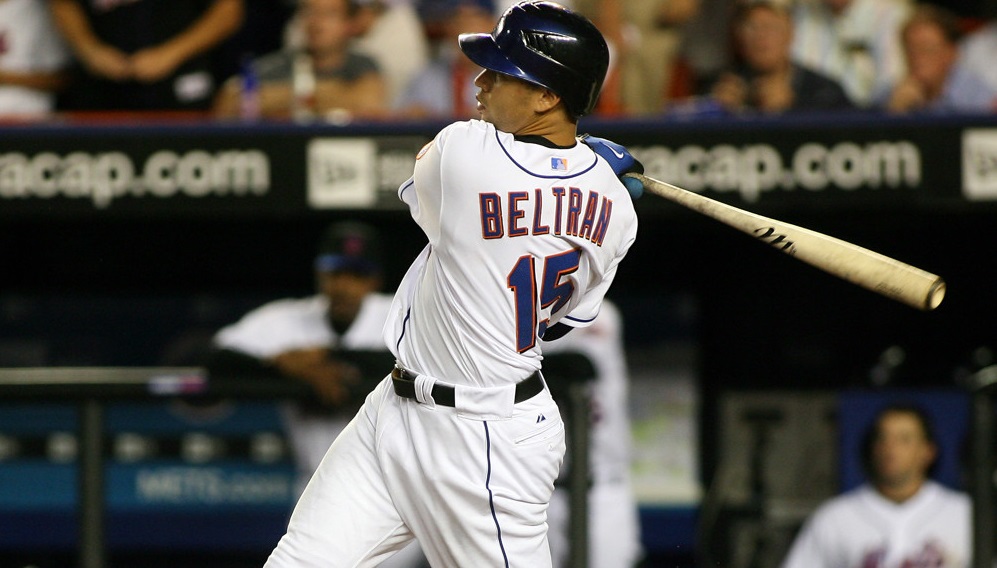
    Among the ballot newcomers, there is one name that stands well above the rest: center fielder Carlos Beltrán. Though part of Beltrán’s candidacy will come down to how voters view his participation in the Astros cheating scandal, his overall numbers would almost certainly warrant selection.

    Beltrán is one of baseball’s all-time best switch-hitters. He was a nine-time All-Star and three-time Gold Glove Award winner. He ranks 47th all-time in home runs, 29th in doubles, 37th in RBIs and has the highest stolen base percentage (86.4%) among players with at least 200 attempts. He’s one of eight players with at least 300 home runs and 300 stolen bases.

    By the Bill James-devised Hall-of-Fame value scale— which combines Win Shares and Baseball-Reference’s Wins Above Replacement— Beltrán scores a 649.4, comparable to Hall-of-Fame second baseman Roberto Alomar (645.1). A score of 500 is considered Hall of Fame caliber.

    With no other strong candidates among first-timers on next year’s ballot, let’s skip ahead to the ballot that will elect the class of 2024.

    There will be several strong newcomers on that ballot: Adrián Beltré, Joe Mauer, and Chase Utley.

    Beltré ranks 16th all-time in hits, 11th in doubles, 31st in home runs, and 25th in RBIs. He’s also the leader in Defensive Runs Saved since SIS began tracking that stat in 2003 and won five Gold Gloves at third base. His 747.0 Hall of Fame Value score is higher than that of Ken Griffey Jr. (738.4).

    Mauer clears the Hall of Fame bar at 590.4, slightly ahead of Rolen’s 584.4. Mauer was a six-time All-Star in a 15-year career with the Twins. He won five Silver Slugger Awards and three Gold Gloves to go along with 2009 AL MVP honors. He also won three batting titles, each coming in a season in which his primary position was catcher.

    Utley is probably going to be the toughest call of these three for the BBWAA voters. His Hall of Fame value score is 549.2, a little higher than that of David Ortiz (537.2).

    Utley was a six-time All-Star and four-time Silver Slugger in his 16 years with the Phillies and Dodgers. He has the highest career stolen base percentage if we lower the minimum to 150 attempts (87.5%).

    From 2005 to 2009, Utley averaged close to 8 bWins Above Replacement per season, thanks in part to strong Defensive Runs Saved totals. He ranks second among second basemen in Runs Saved since SIS began tracking it in 2003. Utley also had strong postseasons in 2008 and 2009, helping the Phillies reach the World Series in both years (they won in 2008).

    Players With Hall of Fame Value Score of 500 or Higher

    On Next 2 Hall-of-Fame Ballots

    Name HOF-V
    Alex Rodriguez 961.1
    Adrián Beltré 747.0
    Manny Ramirez 685.2
    Gary Sheffield 672.2
    Carlos Beltrán 649.4
    Bobby Abreu 596.7
    Joe Mauer 590.4
    Scott Rolen 584.4
    Todd Helton 565.0
    Jeff Kent 560.8
    Chase Utley 549.2
    Andruw Jones 526.8
  • Which Players Have High Injury Risk in 2022? (Bill James Handbook Excerpt)

    Which Players Have High Injury Risk in 2022? (Bill James Handbook Excerpt)

    The following essay is an excerpt from The Bill James Handbook 2022, which is available at bookstores now and can be purchased at ACTASports.com. The book features essays, stats, leaderboards, contained within 640 pages of baseball goodness. 

    by ALEX VIGDERMAN

    Orioles center fielder Cedric Mullins wildly outperformed expectations in 2021. You might hear more about that in the Bill James Projections recap later in the book, because he hit for an OPS nearly 200 points higher than what we projected him for, going 30-30 when we projected him for fewer than 30 total homers and steals.

    Yes, Mullins improved a great deal as a hitter. But the reason Mullins was able to put up an MVP-caliber campaign is that he stayed on the field. He appeared in 159 games, which was more than his career total up to that point. Two other AL MVP candidates through the first month of the season, Mike Trout and Byron Buxton, couldn’t say the same.

    Mullins led the league in defensive opportunities as an outfielder, saved runs at a representative rate for a center fielder, and did so with one of the lowest rates of dives, slides, and jumps, which look great on highlights but are big factors in injury risk among outfielders.

    He (literally) outran his projection of being one of the likeliest position players to suffer an IL-worthy injury in 2021, per last year’s Handbook.

    The same could not be said for most of his comrades on those lists. We listed 10 pitchers and 10 position players who our model found to be most likely to suffer an injury and miss at least 10 days in 2021, and seven players on each list endured such a fate. That includes Spring Training losses like Mike Clevinger’s Tommy John surgery.

    How are we going about projecting something as timeless in its unpredictability as physical injuries?

    Well, we have collected and aggregated injury data for some years now. It started with just noting when a player suffered some kind of injury event during a game: getting hit by a pitch, pulling up lame while beating out a groundball, or crashing into the wall on a deep fly.

    We combine that information with Injured List stints and media reports to create as comprehensive an injury history as anyone outside an MLB organization has. And starting in 2020, we began leveraging that data to investigate injury risk.

    If you read last year’s edition of this book, you’ll recall John Shirley’s introduction to the model we built and the different elements involved. In short, we take injury data and combine it with playing time, position, body type, and play style information to create a daily estimate of how likely a player is to suffer an IL stint or miss at least ten days with an injury over the next week, month, two months, and season.

    For more info on the model, its inputs, and the kinds of insights we’ve already gained, check out our presentation from the 2021 SABR Analytics Conference.

    So, who are we most concerned about heading into 2022?

    As of the end of the 2021 regular season, here’s who we have our eye on.

    Pitchers With The Highest Predicted Injury Risk
    Entering 2022

    1. José Alvarado
    2. Ryne Stanek
    3. Max Scherzer
    4. Aroldis Chapman
    T5. Peter Fairbanks & Genesis Cabrera
    T7. Jake Brentz & Michael Kopech
    T9. Edwin Díaz, Diego Castillo & Jonathan Loaisiga

    Alvarado, Stanek, Fairbanks, and Castillo were Rays teammates two years ago, and they have eight IL stints between them in the two years since. Perhaps it’s not a coincidence that only Fairbanks remains with the team.

    Fans of power pitching shouldn’t be surprised to see some favorites on this list given the risks associated, but some of the more compelling pitchers to watch over the last few years have warning signs for missed time in 2022.

    Chapman and Kopech have arguably the fastest fastballs of all time. Scherzer is on the back side of his career (pun intended); he has served time on the IL three times with a back injury over the last three seasons.

    Hitters with the Highest Predicted Injury Risk
    Entering 2022

    1. Alcides Escobar
    2. Kolten Wong
    3. Miguel Cabrera
    T4. Carlos Santana & Salvador Perez
    6. Raimel Tapia
    7. Xander Bogaerts
    8. Aledmys Diaz
    T9. Jorge Soler, Franmil Reyes, Didi Gregorius & Jordy Mercer

    What you should notice from the hitter list is that three big risk factors for injury are playing an up-the-middle position, being a bulky corner player / DH, and failing to discover the Fountain of Youth.

    Alcides Escobar hadn’t played in the majors for two years but has already re-signed for a one-year deal with the Nationals, who gave him a bit more than a coffee this season. He doesn’t have a dramatic injury history, but his position and age make him something less than a sure bet in ‘22.

    Salvador Perez and Xander Bogaerts would be huge losses to their respective teams if they were to miss time.

    Perez missed 2019 to injury and after the short 2020 season was able to start 160 games (120 at catcher) this season. That’s not something we expect to continue in 2022.

    Bogaerts has played in at least 136 games in every full season of his career, so it’d be a turn for the surprising for him to miss a big chunk of time, but he plays a tough position and his mix of size and just-past-his-prime age make for a cocktail of injury risk.

  • Bill James Handbook Excerpt: Shohei Ohtani

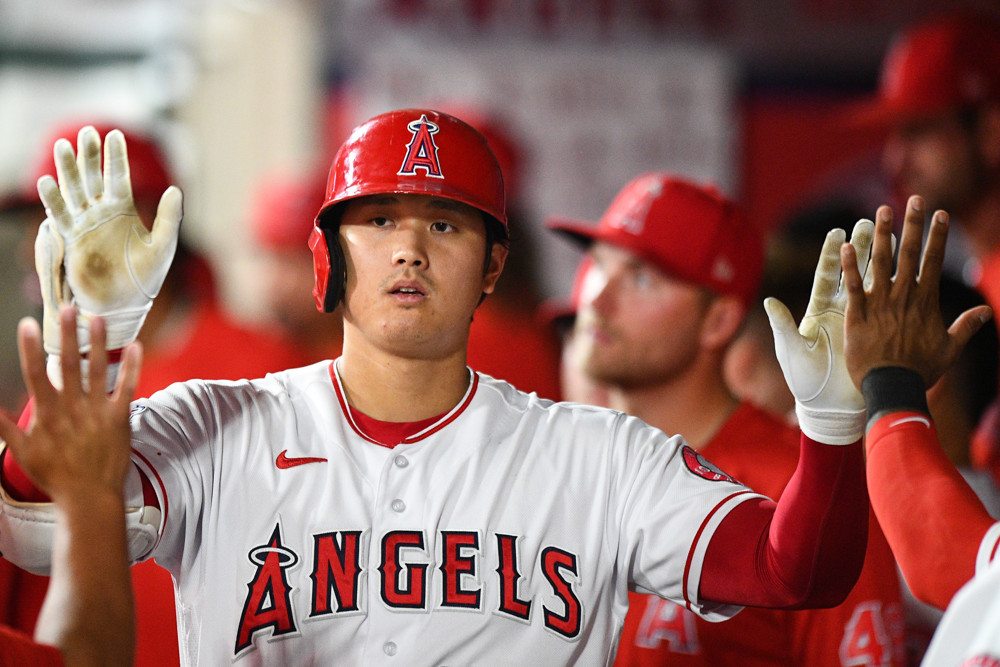
    Bill James Handbook Excerpt: Shohei Ohtani

    By MARK SIMON

    The following essay is an excerpt from The Bill James Handbook 2022, available now from ACTA Sports.

    Sometimes in baseball, things happen early in the season that set a tone for the entire
    year.

    In Shohei Ohtani’s case, his first series of the season foreshadowed much of what
    followed. He lived up to the hype.

    The Home Run

    Ohtani homered in the ninth inning of his second game of the season. I’d categorize it
    as impressive since it came off White Sox closer Liam Hendriks, but it wasn’t
    necessarily memorable.

    His second home run of the season—hit 451 feet off a 97-MPH eye-approaching
    fastball from Dylan Cease—that one was something else.

    You know how sometimes you’ll hear a baseball analyst say a player’s home runs
    sound different than everyone else’s?

    This one did.

    “A POWWWW with an echo to it,” said Angels broadcaster José Mota, who worked most
    games at home from field level and got to see and hear much of Ohtani’s work
    close up.

    Ohtani’s 46 home runs were one shy of his total in 254 games from 2018 to 2020. They
    were one shy of Troy Glaus’ Angels franchise record set in 2000.

    The Triple

    One thing that may have slipped under your Ohtani radar this year is that he led
    the American League and tied for the major league lead in triples.

    His first one of the season came in the Angels’ second game. It was a rocket ground
    ball that took its first bounce about halfway to José Abreu and then zipped
    past his glove at about 108 MPH. Abreu had no chance to get in front of the
    ball. By the time he put his glove down, it was well past him.

    “Thank god that ball didn’t find José Abreu’s chest,” Mota said “Oh my gosh, oh my goodness. There’s no human being that could have stopped that ball.”

    A little baseball history lesson:

    In 1902, a pitcher/utility player, Harry Howell, hit 11 triples for the Baltimore
    Orioles (not the current ones, the predecessor to the Yankees franchise).

    In 1918, pitcher/outfielder Babe Ruth did the same for the Red Sox.

    Two Negro League players—Harry Kenyon and Bullet Rogan—hit eight in 1921. Rogan did
    it for the Kansas City Monarchs and Kenyon for the Indianapolis ABCs. Rogan did
    it again for the Monarchs in 1925.

    It took 96 years for another player to come along who pitched 20 games in a season
    and hit at least eight triples.

    Ohtani was that player.

    The Stolen Base

    In the fifth inning of the third game of the Angels–White Sox season-opening
    four-game series, Ohtani stole second base against pitcher Lance Lynn and
    catcher Zack Collins. It was his first stolen base of the season.

    Ohtani’s 46-home run, 26-stolen base combination has been matched by only four other
    players—Barry Bonds (1993 Giants), Hall-of-Famer Larry Walker (1997 Rockies),
    Jose Canseco (1998 Blue Jays), and Alfonso Soriano (2006 Nationals).

    The Splitter and the Slider

    So that first start of the season had foreshadowing, but that requires some
    specificity not contained within his pitching line. In 4 2/3 innings he allowed
    three runs and walked five.

    But there was something in that start that foretold the future—Ohtani’s unhittable
    splitter and nasty slider.

    Ohtani got five outs with his splitter that day, all strikeouts.

    The .233 OPS against the pitch was second-best among the 30 pitchers who threw at
    least 100 splitters last season. Only Aroldis Chapman, who threw one-third as
    many splitters as Ohtani, was better.

    After allowing seven runs and four walks in 2/3 of an inning against the Yankees on
    June 30, Ohtani’s wildness abated.

    Ohtani had started throwing his slider more often a few weeks prior to that game, and
    after that start it really became a difference maker when it was paired with
    the splitter.

    It gave him better options to throw off a fastball that sometimes reached 100 MPH.
    He walked 35 batters in his first 60 innings, but only nine in his last 70 1/3
    innings.

    Opponents hit .171 against the slider from July 6 to the end of the season.

    The Total Package

    Ohtani was a top-25 hitter AND a top-25 pitcher, but perhaps the best thing about his
    season was that his best ability was availability.

    Yes, the best foreshadowing to come from Ohtani’s season-opening series against the
    White Sox was that he played all four games. He played in 155 out of a possible
    162, which meant that we got to see him at his best just about every day of the
    season.

    It was quite a treat.

  • Bill James Handbook Excerpt: The Manager and the Jeopardy Champ

    Bill James Handbook Excerpt: The Manager and the Jeopardy Champ

    By MARK SIMON

    This essay is featured in The Bill James Handbook 2022, which is available now from ACTASports.com. The Handbook features 640 pages of essays, stats, leaderboards, and much more. Buy it today!

    As a fan of the TV show Jeopardy, I’ve greatly enjoyed the recent run of dominance by one of the game’s all-time best players, Matt Amodio (whose hobby happens to be studying baseball stats).

    What made Amodio so impressive was not just his knowledge base, but in how he managed a game. He played aggressively, picked the bottom clues first,  hunted down Daily Doubles, and then made big wagers on them. He bet on himself and his team (his brain cells) to come through as needed.

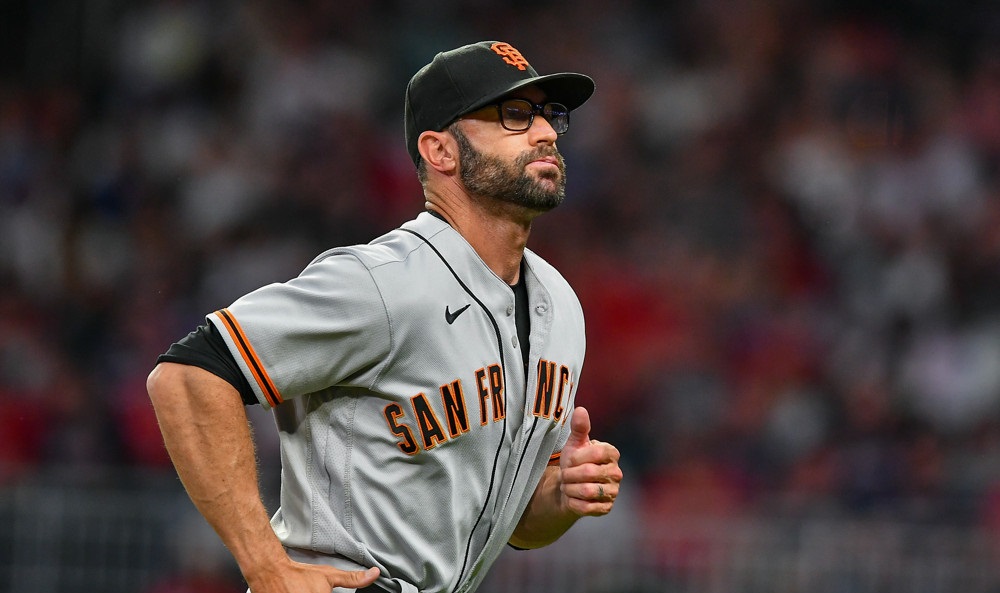
    In the 2021 baseball season, the game manager most similar to Amodio was Gabe Kapler of the Giants.

    Kapler has come a long way from his two rough seasons with the Phillies. In two seasons with the Giants he’s changed things up a little bit and maxed out on what he’s gotten from his team.

    The Giants have led the majors in pinch-hitter usage in each of the last two seasons by a considerable margin and in 2021, they finished with 68 more than the next-closest team.

    And Kapler made big bets on his entire bench this year. Seven different players had at least 20 pinch-hit at-bats. The Giants also led the NL in defensive substitutions with 48.

    But Kapler took it a step further. He and his coaching staff established in-game platoons that were meant to go beyond one moment in a game. The Giants had 116 substitutes (including relievers) enter a game this season and record at least two plate appearances. No other team had more than 90.

    Kapler’s other version of managing aggressively was in the composition and use of his bullpen, a mix of lefties, righties, and unusual arm angles (Tyler Rogers). The Giants used relievers on consecutive days 146 times, more than any other team. And those pitchers were great! They had an MLB-low 1.48 ERA in those situations.

    Amodio’s strategy was a winning one and had considerable staying power. Kapler’s had enough staying power to get through 2021 with 107 wins for the Giants. Whether it will work for the long term will be a greater challenge.

  • Bill James Handbook Excerpt: The Favorite Toy

    Bill James Handbook Excerpt: The Favorite Toy

    By SARAH THOMPSON

    The following essay is an excerpt from The Bill James Handbook 2022, available now from ACTA Sports.

    Bill James devised a system, dubbed “The Favorite Toy,” that determines the likelihood of a player achieving a certain milestone.

    Since most of these milestones are counting stats, the shortened 2020 season did a number on most people’s chances of hitting milestones already difficult to reach. But not all.

    Our most likely milestone to be achieved is 3,000 hits by Miguel Cabrera, clocking in at 98%. This number makes sense—he only needs 13. He began the 2021 season 134 hits short of the mark and did a good job to cover some ground. He has a non-trivial chance (28%) at reaching 2,000 RBI, though with 1,804 to the day, that’s much less guaranteed.

    What’s interesting is that in 2021, he had his most RBI collected (75) since 2016 (108), a year in which he slashed .316/.393/.563.

    Best chance of reaching 3,000 hits:
    Miguel Cabrera (98%), Freddie Freeman (28%), Manny Machado (20%)

    Best chance of reaching 2,000 RBI:
    Miguel Cabrera (28%), Rafael Devers (10%), Manny Machado (10%)

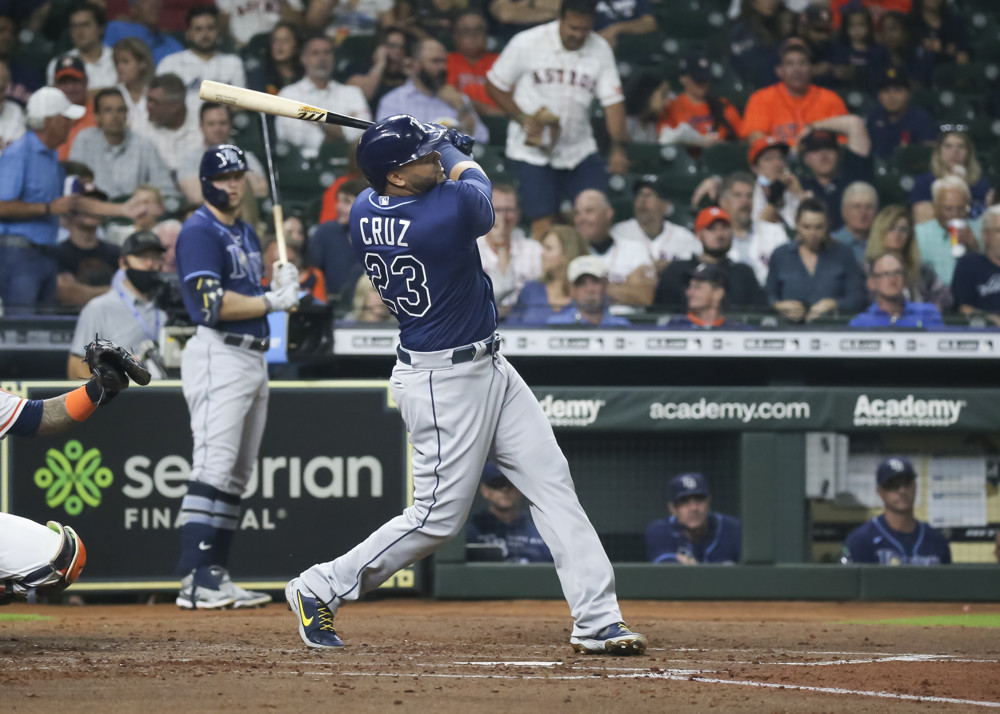
    The next-most-likely milestone is Nelson Cruz’s chance to hit 500 home runs. Having hit 32 homers in his age-40 season, it’s certainly not out of the question that he collects 51 more before he hangs up the cleats.

    Best chance of hitting 500 HR:
    Nelson Cruz (56%), Giancarlo Stanton (36%), Bryce Harper (34%)

    A name you’ll see around a lot is Fernando Tatis Jr. The combination of his youth and demonstrated power gives him non-trivial odds to hit a lot of these milestones. They’re long shots—I don’t know if we’ll ever see 762 home runs surpassed—but it’s still exciting to have these possibilities in the back of your head every time you see Tatis hit one out of the park.

    Fernando Tatis Jr. Potential Milestones

    600 HR: 11%
    700 HR: 8%
    762 HR: 4%

    We also calculate likelihoods of a pitcher throwing a no-hitter. It’s not a hard sell to present Jacob deGrom as the most likely guy to throw a no-no with a 44% chance.

    You might be surprised to see Dylan Cease not too far behind him at 37%, though. He had two one-hitters this year, but both were through 6 innings and with pitch counts of 103 and 98. While he can keep the hits down, whether or not he can be efficient enough to finish a no-hitter remains to be seen.

    Best chance of pitching a no-hitter:
    Jacob deGrom (44%), Corbin Burnes (40%), Freddy Peralta (39%)

  • Bill James Handbook Excerpt: 2021’s Most Efficient Team

    Bill James Handbook Excerpt: 2021’s Most Efficient Team

    This essay is reprinted from The Bill James Handbook – 2022, which is available now from ACTASports.com. The book features dozens of essays and analysis pieces on your favorite teams and players, with articles by Bill James and the SIS Research & Development team.

    By SARAH THOMPSON

    Following a late-summer road trip in which the Mariners went 6-2, manager Scott Servais quipped during a press conference, “Someone told me our run differential was -9 on this trip. But our fun differential was +90, so we are going with that.”

    Servais may have been onto something. I don’t know how strongly correlated fun differential is with team efficiency—fun differential is what we’d call a black box—but the Mariners excelled in both.

    Their Overall Efficiency of 130 was the highest in baseball. You kind of have to be efficient to win 90 games with a -51 run differential.

    So, where’d that 130 number come from? Servais’ reported Fun Differential (90) + Number of Wins in 1-Run Games (33) + Longest Win Streak (6) + Wins in October (1) adds up to 130….

    But I’ll explain how we actually get there.

    As we can see in the following tables, the Mariners scored 697 runs. However, based on their components of offensive production, we’d expect them to have scored only 639. That’s an Offensive Efficiency figure of 109, most in MLB.

    As a reminder, when we say “expect,” we don’t mean in March we thought they’d score 639, but rather, for example, if J.P. Crawford led off the game with a triple, we’d expect that run to score.

    As far as pitching and defense, the Mariners were actually inefficient. Their Expected Runs Allowed, using the components of offensive production of their opponents, was 741, compared to their actual Runs Allowed of 748. That’s the worst Pitching and Defensive Efficiency in MLB this year.

    Based on actual Runs Scored and actual Runs Allowed, the expected win number for the Mariners is 75, and that’s the reason people talk about run differential.

    Based on Runs Created and Expected Runs Allowed, we’d expect 69 wins from the Mariners (“Efficient Wins” in the table). But they actually won 90. So where does 130 come from? Take the ratio of 90 to 69, multiply by 100, and round to get a nice integer.

    There we have it. The Mariners are the most efficient team in baseball this season, as they continue their ride as one of the most enigmatic franchises since their inception in 1977.

    Most Efficient Teams – American League

    Efficient Wins Wins Overall Efficiency
    Mariners 69 90 130
    Tigers 68 77 113
    Red Sox 82 92 112
    Angels 71 77 109
    Yankees 84 92 109


    Most Efficient Teams – National League

      Efficient Wins Wins Overall Efficiency
    Cubs 63 71 112
    Pirates 56 61 109
    Cardinals 84 90 107
    Brewers 89 95 106
    Phillies 78 82 105


  • The 2021 Fielding Bible Award Winners

    The 2021 Fielding Bible Award Winners

    SIS is pleased to announce the winners of the 2021 Fielding Bible Awards. This marks the 16th season that we have honored the best defensive players in MLB. The awards are voted on by a panel of experts who consider statistical analysis, the eye test, and any other factors that they wish to consider.

    This year’s winners are:

    Position Name Team
    1B Paul Goldschmidt Cardinals
    2B Whit Merrifield Royals
    SS Carlos Correa Astros
    3B Ke’Bryan Hayes Pirates
    LF Tyler O’Neill Cardinals
    CF Michael A. Taylor Royals
    RF Aaron Judge Yankees
    C Jacob Stallings Pirates
    P Dallas Keuchel White Sox
    Multi-Position Kiké Hernández Red Sox


    Paul Goldschmidt was the anchor of the infield, as he won his fourth Fielding Bible Award. Only Albert Pujols (5) has more. Goldschmidt finished tied for the MLB lead in Defensive Runs Saved at the position.

    The Cardinals infield led MLB at turning ground balls and bunts into outs, both because Goldschmidt could make plays and because he helped his teammates make plays by catching their throws.

    Whit Merrifield won a close vote, edging out Marcus Semien of the Blue Jays to win his first Fielding Bible Award. He ended a three-year run at second base by Kolten Wong. After playing a considerable amount of center field in 2019 and 2020, Merrifield was basically the Royals’ everyday second baseman in 2021 (save for a few cameos in the outfield).

    Everyday is the optimal word for Merrifield, who has played in every game the Royals have played the last three seasons. Merrifield’s MLB-leading 14 Runs Saved were 11 more than his previous high at second base. He led all second basemen in Good Fielding Plays and in double plays turned.

    Carlos Correa won his first Fielding Bible Award, with a breakthrough season in which his 20 Defensive Runs Saved at shortstop were five more than the next-closest player. Correa ranked third in Good Fielding Plays per 1,000 innings and had the fourth-fewest Defensive Misplays & Errors per 1,000 innings.

    Over the last three seasons, he has the second-highest rate of Good Plays and the second-lowest rate of Misplays & Errors. Correa is the second Astros player to win this award at shortstop, joining Adam Everett, who won in 2006, our first year of voting.

    Ke’Bryan Hayes dethroned Matt Chapman and Nolan Arenado as Fielding Bible Award winners to win for the first time. It was the first not won there by those two other guys since Josh Donaldson won in 2014.

    Hayes ranked first in Defensive Runs Saved at third base while ranking 17th in innings played. He finished with a three-run lead in DRS, which probably would have been more had he not been injured earlier in the season. But when he was on the field, he wowed. And now he’s the new standard setter.

    Tyler O’Neill became the first repeat winner in left field since Starling Marte in 2015 and 2016. O’Neill received the highest vote total of any player, with 14 of a possible 17 first place votes. O’Neill was the only left fielder to reach double figures in Defensive Runs Saved and had the best combination of Range Runs Saved (tied for first) and Outfield Arm Runs Saved (tied for second).

    O’Neill’s arm numbers improved considerably. He had seven assists without the aid of a cutoff man in 2021 (tied with Raimel Tapia for the most at the position) after having none in left field in 2020.

    Michael A. Taylor went 3-for-5 with a home run and two outfield assists in his Royals debut on Opening Day against the Rangers. That game didn’t set a tone for his season as a hitter, but it did set one for his season as a fielder. Taylor led all center fielders with 19 Defensive Runs Saved and he edged out Harrison Bader by one point in the voting to win his first Fielding Bible Award.

    Taylor was rewarded for having the second-best Range Runs Saved as a center fielder and the second-best Outfield Arm Runs Saved. His eight assists without the help of a cutoff man were the most at the position.

    Aaron Judge is best known for his bat, but he’s an excellent defender too. He won his first Fielding Bible Award in an interesting way, as he edged out his teammate, Joey Gallo, in a tight vote (Gallo did his work in right field for the Rangers). Judge’s defensive strength in 2021 was the deterrent value of his arm. His 5 Outfield Arm Runs Saved tied for second most by a right fielder.

    Judge also tied for the MLB lead with two home run–robbing catches and had a third robbery where he didn’t catch the ball but got his glove on it to turn a would-be home run into a triple. Our record-keeping is sophisticated enough to reward Judge for that play. Little things like that helped him win the award.

    Jacob Stallings ended the two-year run of Roberto Pérez of the Indians with a dominant defensive season and his first Fielding Bible Award. Stallings’ 21 Defensive Runs Saved were nine better than second place Austin Hedges. Stallings’ nine-run margin was the biggest for any positional winner.

    Stallings’ strengths in pitch blocking AND pitch framing were what carried him to that advantage. He led all regular catchers with a 95.5% block rate and ranked second in pitch blocks overall. He also ranked tied for fourth in our pitch-framing metric, Strike Zone Runs Saved.

    Dallas Keuchel won his fifth Fielding Bible Award and passed Mark Buehrle for the most won by a pitcher since SIS first gave out the award in 2006. Keuchel did this with a career-high 12 Defensive Runs Saved, the most by a pitcher since Buehrle had 12 in 2012, and three shy of Kenny Rogers’ record 15 in 2008.

    Keuchel’s 41 assists were the most by a pitcher in 2021. He also led MLB in Range Factor per 9 Innings. And as has been standard for him, he limited the running game, allowing only two stolen bases in six attempts.

    Kiké Hernández won the multi-position award for the second straight year. What’s impressive is that in 2020, Hernández was a second baseman who sometimes played the outfield or other spots. In 2021, he was a center fielder who sometimes played second base.

    Hernández has shown that he can handle either of those two primary spots very well. In 2020 he tied for the MLB lead in Runs Saved at second base. In 2021, he finished third in that stat among center fielders, no easy feat given the complexities of playing the outfield at Fenway Park.

    The awards are determined by a panel of 17 baseball experts, who ranked the top 10 players at each defensive position (including the multi-position players left out of Gold Glove voting) on a scale from one to 10. A first-place vote gets 10 points, second place gets nine points, third place gets eight points, etc. Total up the points for each player, and the player with the most points wins the award. A perfect score is 170 points.

    Our voting panel consisted of SIS chairman John Dewan and baseball stat pioneer Bill James, along with Emma Baccellieri (Sports Illustrated), Dan Casey (SIS), Chris Dial (sabermetrician), Peter Gammons (MLB Network/The Athletic), Christina Kahrl (San Francisco Chronicle), Zach Kram (The Ringer), Moses Massena (MLB Network), Eduardo Perez (ESPN), Hal Richman (Strat-O-Matic), Meg Rowley (FanGraphs), Travis Sawchik (The Score), Joe Sheehan (longtime writer), Mark Simon (SIS), Chris Singleton (ESPN), and the SIS Video Scout staff.

    “This year’s Fielding Bible Award winners are an impressive and well-deserving group,” said SIS chairman, John Dewan. “We expanded our voting panel to include a broader cross-section of people covering baseball and I’m confident that their vote has produced a standout collection of honorees.”

    A complete list of ballots and the history of the Fielding Bible Awards (which began in 2006) can be found online at FieldingBible.com and in The 2022 Bill James Handbook, which is available at ACTASports.com.