Category: Baseball

  • Fielding Bible Awards Preview (Part II)

    Fielding Bible Awards Preview (Part II)

    Last week and this week, we’re running a two-part series on the top candidates for The Fielding Bible Awards, which will be announced later this month.

    The Fielding Bible Awards are voted on by a panel of experts who can vote based on whatever criteria they choose, including observation and subjective judgement, as well as statistical analysis. Each position has one overall winner, different from the Gold Gloves, which has one in each league.

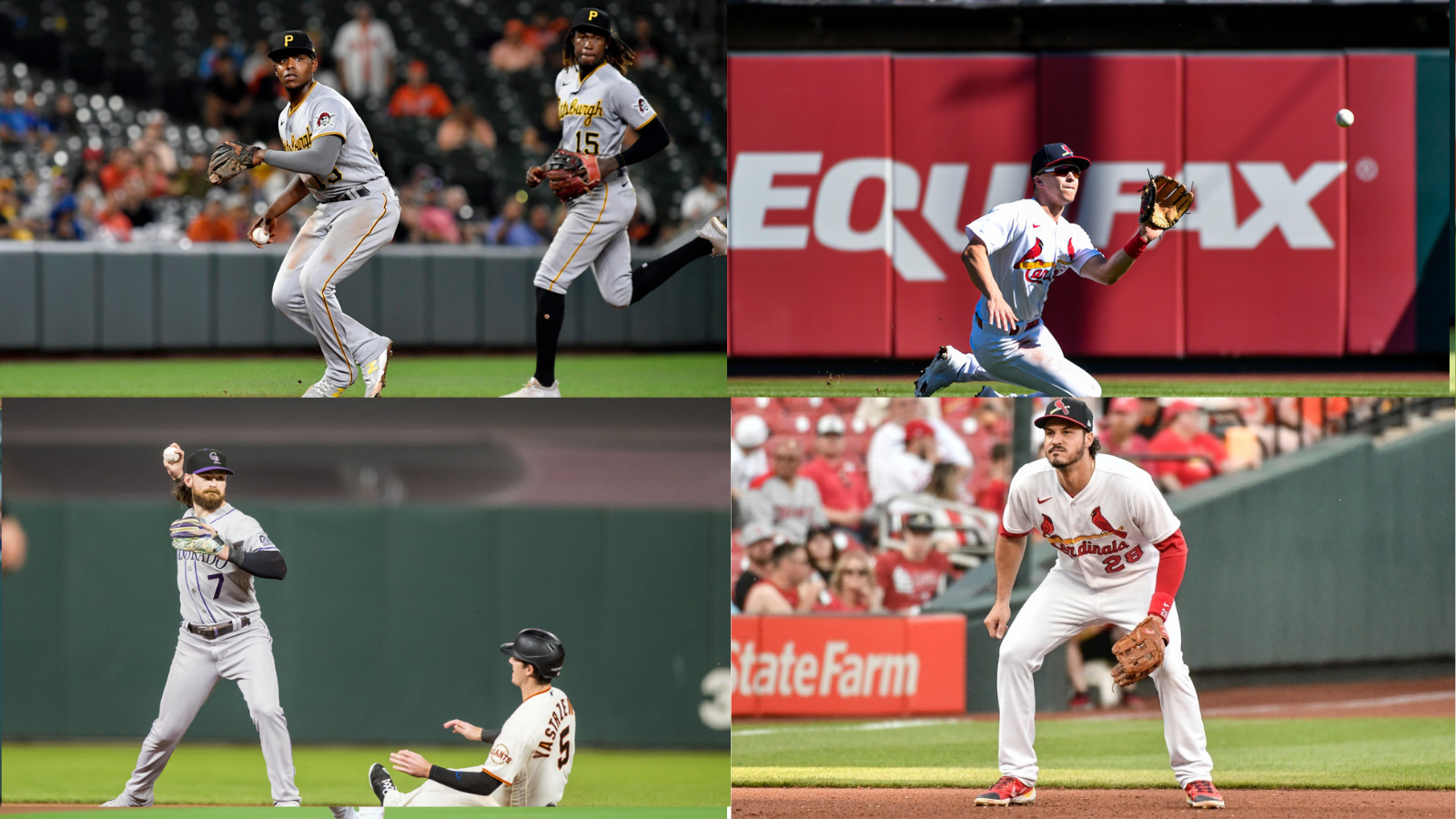
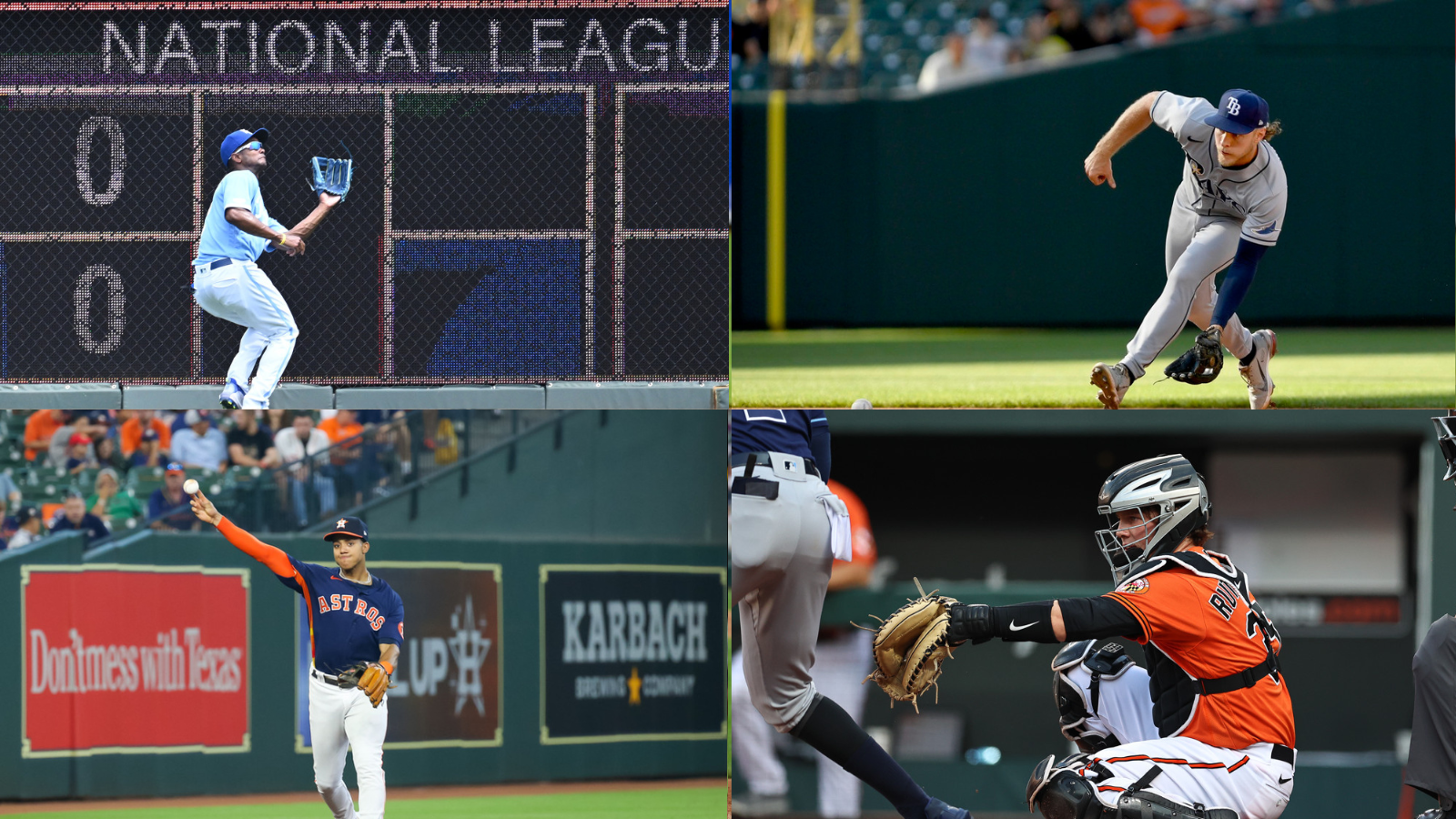
    Part I of our preview looked at the candidates in the infield and at catcher. This week, Part II of our preview looks at outfielders, pitchers, and our multi-position player award.

    Regarding the multi-position award, last year Bill James devised a system to allow voters to consider and reward players who demonstrate a combination of versatility and the ability to play high value positions (details are in The Bill James Handbook 2022 and will be in the 2023 edition too). Rawlings also added a Super Utility Gold Glove award similar in nature to our multi-position honor.

    (Defensive Runs Saved totals in parentheses for all awards except multi-position, which includes rank in Defensive Versatility Score)

    Left Field

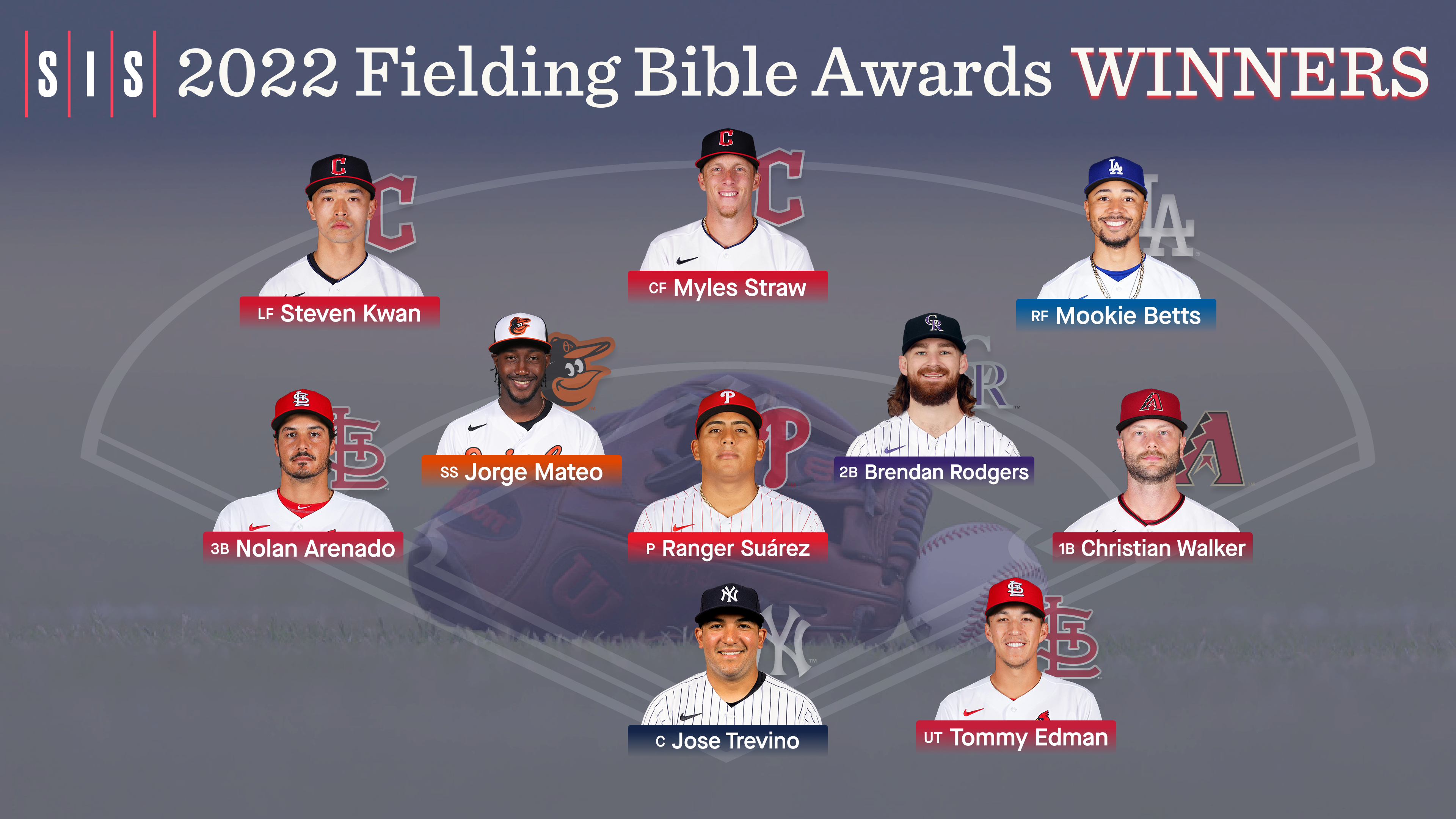
    Fielding Bible Favorite: Steven Kwan (21)

    NL Gold Glove Favorite: Ian Happ (13); AL Favorite: Kwan

    Other Top Contenders: NL: A.J. Pollock (4); AL: Austin Hays (3), Lourdes Gurriel Jr. (3)

    It’s a rookie runaway for the top spot on the Defensive Runs Saved leaderboard. Kwan is best known for his start to the season at the plate, but he was consistently excellent in left field throughout 2022. Happ was similarly very good in left field for the Cubs after being moved off center field.

    Both Kwan and Happ went well beyond their expected ranges to make plays. Kwan did so dealing with the high wall in his home ballpark in left field. Happ battled windy Wrigley Field and a left field that was unusually deep. No qualifying players were anywhere near their Runs Saved totals.

    Center Field

    Fielding Bible Favorite: Michael A. Taylor (19), Myles Straw (17)

    NL Gold Glove Favorite: Victor Robles (12); AL Favorites: Taylor, Straw

    Other Top Contenders: NL: Trent Grisham (8), Michael Harris II (8); AL: Cedric Mullins II (5)

    Taylor will try to join former Royals center fielder Lorenzo Cain as the only center fielders to win a Fielding Bible Award in consecutive seasons. Taylor had by far the best Runs Saved total in the range component of that stat. He faces a tough challenge from Straw, who led all center fielders in Outfield Arm Runs Saved and tied for second in Range Runs Saved.

    Right Field

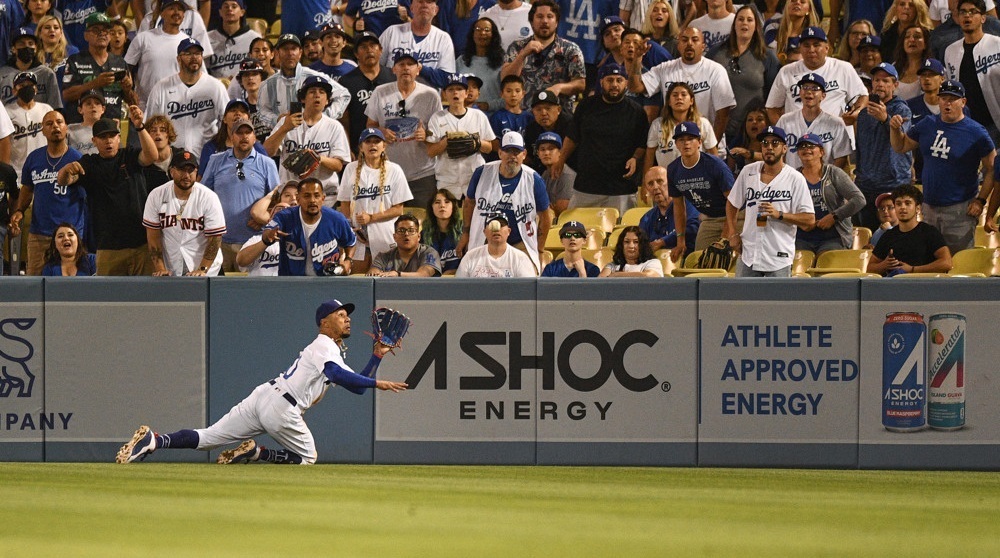
    Fielding Bible Favorites: Aristides Aquino (16), Mookie Betts (15), Kyle Tucker (14)

    NL Gold Glove Favorite: Betts; AL Favorite: Tucker
    Other Top Contenders NL: Daulton Varsho (14); AL: Max Kepler (10)

    This is likely going to be an extremely close vote. Aquino and Varsho both posted amazing Runs Saved stats but played fewer than half as many innings as Betts and Tucker. Who will win the Fielding Bible Award could come down to how much playing time matters to our voting panel.

    Betts, who led all right fielders in the range component of Runs Saved, is trying for his fifth Fielding Bible Award (he already has the most of anyone at the position). Tucker, who led the majors with 3 home run robberies, is aiming for his first.

    Pitcher

    Fielding Bible Favorite: Ranger Suárez (9)

    NL Gold Glove Favorite: Suarez; AL Favorite: Shane Bieber (3)
    Other Top Contenders: NL: Taijuan Walker (6), Tyler Anderson (5); AL: Zack Greinke (3)

    This award would seem to be Suárez’s to lose. If you got to watch him at all this season, you were probably impressed. He showed skill coming off the mound to make plays and he held opposing basestealers without a stolen base in 155 1/3 innings pitched this season. Walker has now finished second in Runs Saved two years in a row and is the person most likely to challenge Suárez. Greinke, a two-time Fielding Bible Award winner, was a smidge below his usual standard.

    Multi-Position

    Fielding Bible Favorite: Tommy Edman (4th), Daulton Varsho (2nd)

    Gold Glove Favorites NL: Edman, Varsho; AL: Taylor Walls (10th), Willi Castro (3rd)

    Other Top Contenders: NL: Brendan Donovan (1st) ; AL: Nick Gordon (6th), Marwin Gonzalez (13th)

    The goal here is to reward excellence in the area of versatility.

    Given how good Edman was, even though he didn’t rate as the most versatile player by Bill’s system, we suspect the voters will reward both his skill at the middle infield positions and his reputational versatility (he played a considerable amount of right field in 2019, 2020, and 2021). Varsho is a unique player in that he can catch and play the outfield, and does the latter very well (he’s a contender for the right field Fielding Bible Award too).

    Donovan, who ranked No. 1 in Bill’s Defensive Versatility Score, could still win either a Fielding Bible Award or Gold Glove. He played at least 10 games at five spots and was just about average or better at all of them (and very good when filling in for Arenado at third base).

    The Fielding Bible Awards winners will be announced on Thursday, October 27. Stay tuned!

  • 2022 Fielding Bible Awards Preview (Part 1)

    2022 Fielding Bible Awards Preview (Part 1)

    For the next two weeks, this space will feature a two-part series on the top candidates for The Fielding Bible Awards, which will be announced later this month.

    The Fielding Bible Awards are voted on by a panel of experts who can vote based on whatever criteria they choose, including observation and subjective judgement, as well as statistical analysis. Each position has one overall winner, different from the Gold Gloves, which has one in each league.

    This week, Part I of our preview looks at catchers and infielders.

    (Defensive Runs Saved totals in parentheses)

    Catcher

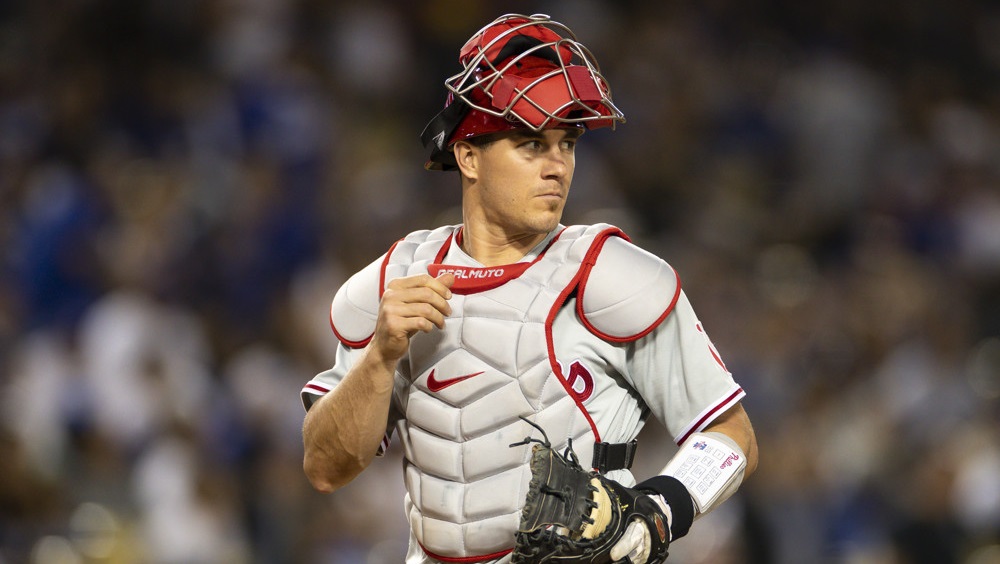
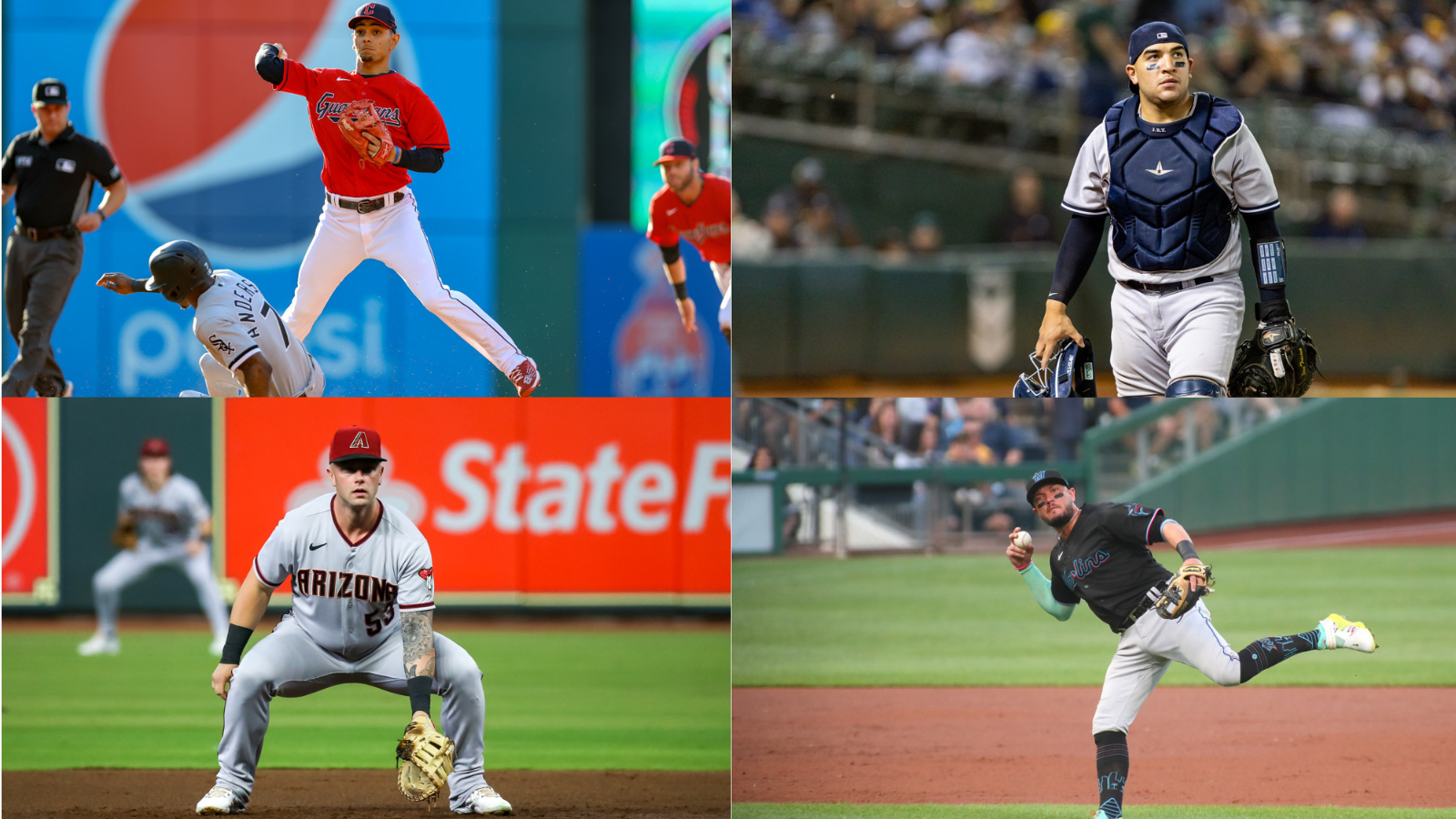
    Fielding Bible Favorites: Jose Trevino (21), Adley Rutschman (18)

    NL Gold Glove Favorite: J.T. Realmuto (11); AL Favorite: Trevino 

    Other Top Contenders: NL: Yadier Molina (9), Tomás Nido (8); AL: Cal Raleigh (14), Christian Vazquez (11)

    Trevino was obtained by the Yankees just before the season started and was one of the primary reasons the Yankees posted the most Defensive Runs Saved in the 20-year history of the stat. He led all catchers in our pitch framing stat, Strike Zone Runs Saved, and was also among the leaders in Stolen Base Runs Saved. Rutschman, recalled in May for his MLB debut, kept pace with Trevino and starred as both pitch framer and pitch blocker.

    First Baseman

    Fielding Bible Award Favorite: Christian Walker (17)

    NL Gold Glove Favorite: Walker; AL Favorite: Vladimir Guerrero Jr. (3)

    Other Top Contenders: NL: Matt Olson (6);  AL: Ty France (2)

    Walker ran away with the Defensive Runs Saved lead at first base, as he was 11 runs better than the next-closest first baseman. What separated Walker from his peers was how good he was on balls hit to his right. He was the only first baseman to convert more than 50% of opportunities on those balls into outs (minimum 50 plays with a >0% out probability). The AL Gold Glove is very much up for grabs. A much-improved Guerrero Jr. may have the inside track.

    Second Baseman

    Fielding Bible Award Favorites: Brendan Rodgers (22), Andrés Giménez (16)

    NL Gold Glove Favorite: Rodgers; AL Favorite: Giménez

    Other Top Contenders NL: Gavin Lux (3), Jeff McNeil (3); AL: Marcus Semien (11), Gleyber Torres (9), Jonathan Schoop (8)

    Rodgers made his way to the top of the Runs Saved leaderboard at second base with an aggressive style. He led all second base in diving plays with 19, using them to extend his range and make near-impossible plays possible. Giménez is a formidable foe on the Fielding Bible Awards ballot. His 10 sliding plays ranked second among all second basemen. His 8 jumping plays tied for the MLB lead there.

    For those wondering about Tommy Edman, he qualified as a shortstop this season by way of his number of innings played there. Edman would have been a strong contender at second base if he were eligible. Look for more on him next week when we preview the multi-position award.

    Shortstop

    Fielding Bible Award Favorites: Jeremy Peña (16), Miguel Rojas (15)

    NL Gold Glove Favorite: Rojas; AL Favorite: Peña

    Other Top Contenders: NL: Nico Hoerner (10), Ha-Seong Kim (10), Willy Adames (9), Dansby Swanson (9); AL: Jorge Mateo (14), Andrew Velazquez (11)

    This is a very crowded field without a large statistical gap between the top candidates. Peña, a rookie, had little trouble replacing Fielding Bible Award winner Carlos Correa at shortstop in 2022. He led all shortstops in the range and double play components of Runs Saved.

    Rojas passed the statistical test and the eye test. He led all shortstops with 30 Good Fielding Plays and was one run shy of the shortstop lead in Runs Saved.

    Third Baseman

    Fielding Bible Award Favorites: Ke’Bryan Hayes (24), Nolan Arenado (19), Ramón Urías (14)

    NL Gold Glove Favorites: Hayes, Arenado; AL Favorite: Urías

    Other Top Contenders: NL: Ryan McMahon (10); AL: Josh Donaldson (7)

    Hayes has shown himself worthy of a second straight Fielding Bible Award. Hayes’ 24 Runs Saved were the most total Runs Saved for any player in 2022. In 2021, Hayes excelled on balls hit to his left. In 2022, it was the other direction, as he converted 75% of opportunities on balls hit to his right into outs, against an expected out rate of 62%.


    Arenado, who has won four Fielding Bible Awards, is the one player who could prevent Hayes from taking a second straight. His 19 Runs Saved were a 13-run improvement from 2021.


    Next week’s Stat of the Week will preview outfielders, pitchers, and the multi-position award.

  • Josh Hader Has Found Deception Again

    Josh Hader Has Found Deception Again

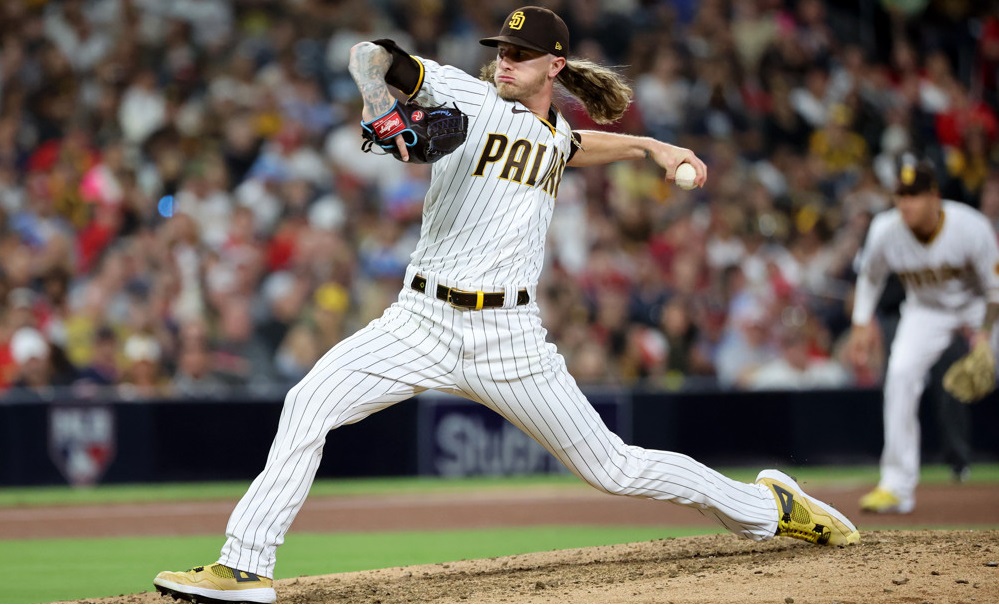
    Back in July I wrote about what could be causing Josh Hader’s struggles. His April and May were on par with Hader’s usual dominance but June and July were a different story. Hader was getting hit more often and harder than ever before.

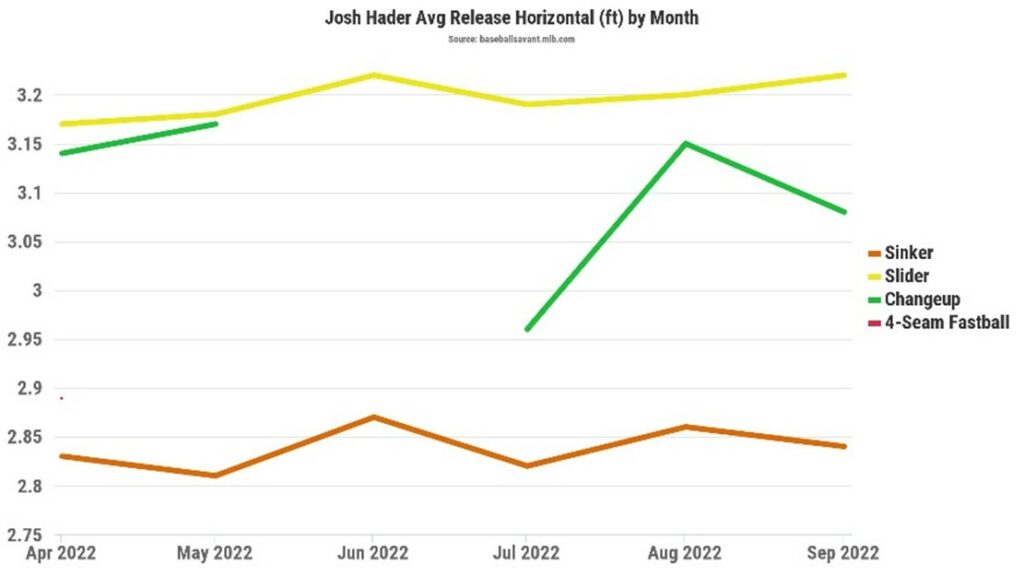
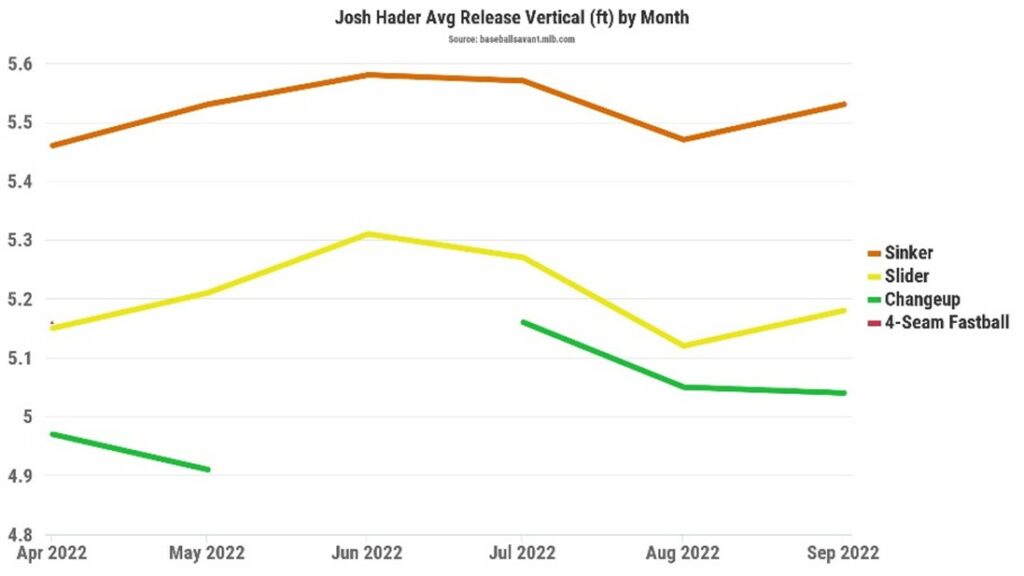
    The only issue I was able to find was with Hader’s release point. He wasn’t throwing from his usual low arm slot, and it was leading to less deception. Hitters were able to recognize his pitches better than before.

    Hader continued to struggle in August, allowing a .464 avg and 1.207 OPS. But September, and two appearances in October, were different. The Padres seem to have unlocked the dominant Josh Hader we all remember, and just in time for the playoffs. Since September 1, Hader allowed just a .114 batting average and .322 OPS. So what happened?

    His vertical and horizontal release points haven’t changed much since July. There’s less than an inch difference for the fastball and slider, though they are trending in the right direction.

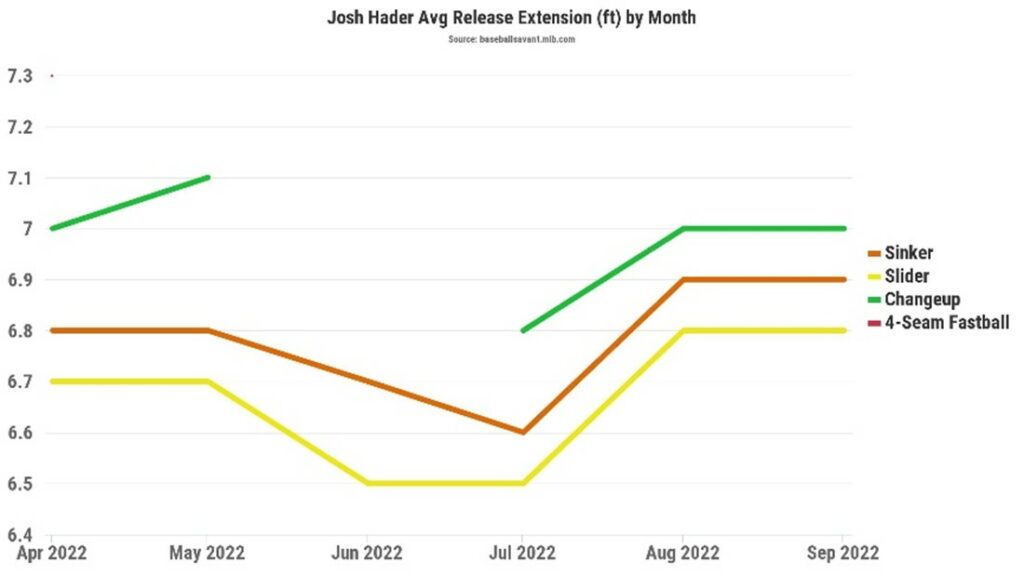
    (All images via Hader’s page on Baseball Savant)

    There is one noticeable difference in Hader’s delivery though. His extension down the mound has increased slightly, about 4 inches. A few extra inches of extension isn’t going to increase the perceived velocity too much. Usually, it takes about a foot of extra extension to start seeing a difference.

    But it does tell me that Hader has started to straighten out his mechanics . The release point might not be where it’s been in past seasons, but the extra extension could be helping him compensate for his changed release point.

    July and August were statistically Hader’s worst months of the season. He gave up a combined 25 earned runs in those months. Every other month he’s given up only 4 earned runs.

    July was also his the month in which both his extension and release point reached its smallest point, per the data. Once Hader was traded to San Diego in August, both areas improved.

    August was still a struggle and Padres fans were starting to worry (a lot of them read my previous article). The way he’s performed since September started must have them feeling good going into the postseason. His numbers are down across the board and he’s looking dominant yet again.

      August September/October
    ERA 19.06 0.87
    K-BB 9-7 13-2
    First Strike % 44% 62%
    Swinging Strike % 13% 17%

    Hader faced the same number of batters in the two months but his numbers couldn’t be more different. Other than the nearly 18-point difference in ERA, the biggest thing that stands out is the First Strike %. He’s attacking the zone early and often. This has led to his K% rising and his BB% plummeting.

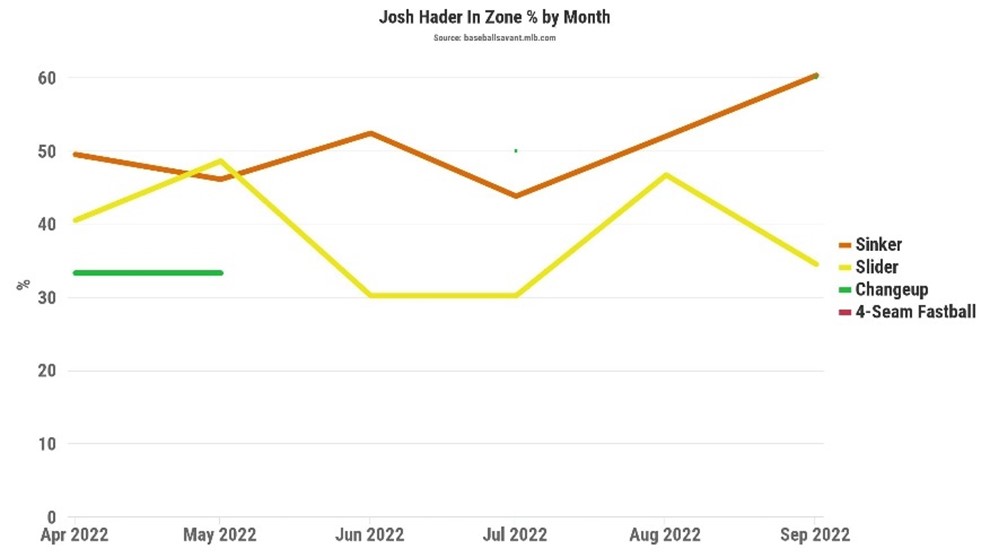
    Hitters are swinging more frequently at his pitches in the zone but making contact less. This can be attributed in part to some added deception with his extra few inches in release extension. The new game plan the Padres have for him is playing big a role.

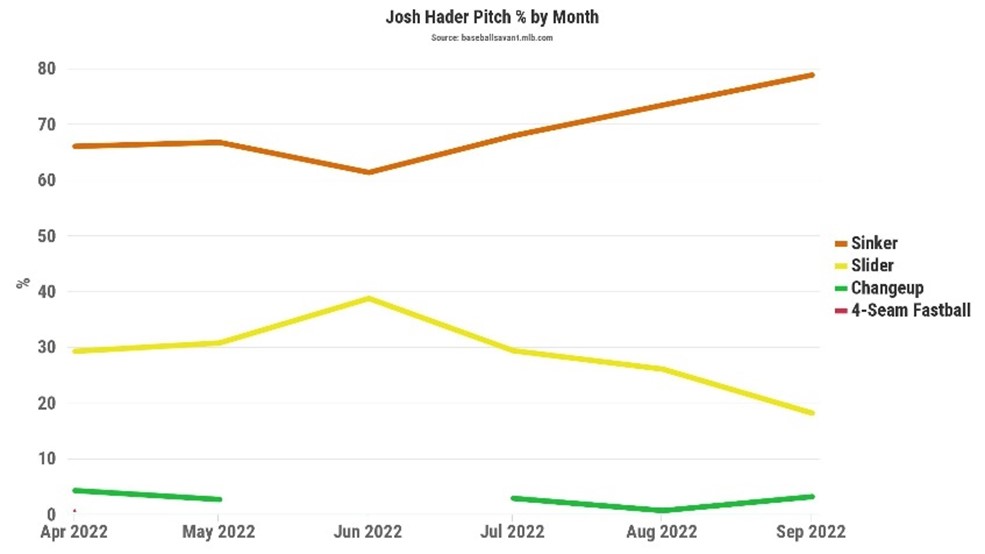
    Hader’s fastball usage is up to nearly 80% and he’s throwing it in the zone 60% of the time. He’s being more aggressive and trusting his fastball with confidence. His swing and miss % on the fastball in September is up to 35%, up from 24% in July/August.

    As I mentioned in my first article about him, Hader looks to attack the top part of the zone with his fastball. His numbers in that quadrant of the zone have improved when looking at August versus September/October.

      Usage% AVG Strike % Chase%
    August 38% .333 46% 20%
    Sept/Oct 47% .133 68% 34%

    He’s been able to spot the fastball more in the upper quadrant and has added back the “rise” to the pitch. Just look at the 14 percentage-point increase in chase rate and the 22 percentage-point increase in strike percentage. Hader’s been able to get hitters to swing under fastballs up and out of the zone like we’re so used to seeing him do.

    The numbers show that something has clicked for him. The eye-test proves it also, hitters are not as comfortable in the box against him. He’s back to getting ugly swings and blowing fastballs by everyone.

    Even with all of Hader’s ups and downs this season, his fastball metrics have remained incredibly consistent. There were no dips in velocity or spin rate, even when he struggled.

    His average spin rate per month has been between 1,932-2,047 rpm all season. While his average velocity per month has been 97mph, with the exception of April (96mph), July did feature an inch less of vertical movement on the fastball, but that’s really the only time the fastball metrics have waivered.

    Hader has figured out something new with his slider though. He’s throwing it harder and with fewer inches of drop. The added extension is most likely playing a big role in this. He’s finishing his pitches better and potentially able to pull down on his slider more to get the added velocity and slightly higher spin.

      APRIL JULY AUGUST SEPTEMBER
    Velocity 83 84 85 86
    Vertical Break 37” 38” 38” 36”
    Spin rate 2,378 2,436 2,562 2,517

    >> Data from BaseballSavant.com

    In September Hader’s slider averaged 86 mph, the highest slider velocity for a month of his career. He increased his spin rate by about 150 rpm from April to September. He’s also getting an inch less of drop to the slider due to the added velocity.

    Hader throws a gyro slider so his horizontal break is never going to be something he needs to worry about. He hasn’t given in to the sweeper craze of 2022. He wants his slider to break straight down which is why I don’t think he messed around with the horizontal break (and the Statcast data backs that up).

    Even with the increased velocity of his slider, Hader has trusted his fastball more as a Padre. His slider is filthy but when you throw 97 mph with a low arm slot and a high riding fastball, why wouldn’t you use it 80% of the time? In his first three seasons in the big leagues, his fastball usage was up around 80%, so the Padres are having him get back to basics.

    Padres fans have to be happy with the way Hader finished the regular season. He’s been trending in the right direction since the calendar hit September and didn’t falter at all during the month. The Padres game plan of throwing more fastballs has given him a jolt of confidence. His first postseason appearance with San Diego will be fascinating to watch.

  • Stat of the Week: Who is the NL Most Valuable Defender?

    Stat of the Week: Who is the NL Most Valuable Defender?

    The NL MVP race has tightened up. Though it appeared that Paul Goldschmidt’s winning was a foregone conclusion for much of the season, Nolan Arenado, Manny Machado and Freddie Freeman have all been worthy competitors.

    The NL MVD race (MVD standing for Most Valuable Defender) is also quite tight. Three players are separated by 0.1 Defensive WAR – Rockies second baseman Brendan Rodgers, Pirates third baseman Ke’Bryan Hayes, and Cardinals infielder Tommy Edman.

    Marlins shortstop Miguel Rojas is just off the pace and Arenado is not far behind too. And if we’re going to consider outfielders, Aristides AquinoDaulton Varsho, and Mookie Betts should enter the discussion.

    Rodgers and Hayes each lead their respective defensive positions with 23 Runs Saved.

    If there was an award for Most Improved Defender, Rodgers would win in a runaway. He’s improved on his 2021 Runs Saved at second base by 28 runs with an aggressive approach. He leads all players with 19 diving plays this season.

    Hayes is leading all third basemen in Defensive Runs Saved for the second straight season. The difference maker that separates him is how well he fares on balls hit to his right. His arm is so strong and so accurate, he makes difficult plays look easy. Hayes is four runs ahead of Arenado, who is going to finish in the top two in Runs Saved at third base for the fifth time in the last six seasons.

    Edman is prized for his being able to switch positions without issue. He’s saved 12 runs with his defense at second base and 6 more at shortstop with his time split nearly evenly between the two spots. What’s made Edman so good at second base is how he limits his mistakes. He leads all shortstops in fewest Misplays & Errors per inning at shortstop and ranks second in that same stat to Luis Guillorme (barely) at second base.

    Rojas is also excellent at minimizing miscues. He leads all shortstops in Defensive Runs Saved and ranks third behind Edman and Dansby Swanson in Defensive Misplays & Errors per inning. And on top of that, he makes the great play. He leads all shortstops in Good Fielding Plays.

    Aquino’s 21 Runs Saved, including an MLB-best 17 in right field, are highly impressive because he hasn’t even played a half-season this year. He’s on the list largely because of his throwing arm. Aquino has 12 outfield assists without a cutoff man this season. His arm accounts for 8 of his Runs Saved.

    Varsho, who caught early in the season to fill a need for the Diamondbacks, has been great in the outfield both in right field, where he has 15 Runs Saved (in fewer than 600 innings), and center field, where he has 6. He’s shown very good range and a strong arm. Varsho and Aquino are tied for the outfield lead in Runs Saved.

    Betts also has 16 Runs Saved in right field. He can finish in the top two at the position for the sixth time in seven seasons.

    Last week we asked you for your choice for AL MVD and Royals center fielder Michael A. Taylor won the vote. We’ve narrowed the NL MVD ballot to Hayes, Edman, Arenado, and Rodgers (Twitter only allows four choices). Cast your vote here.

  • The Mariano Rivera Effect – Or Lack Thereof

    The Mariano Rivera Effect – Or Lack Thereof

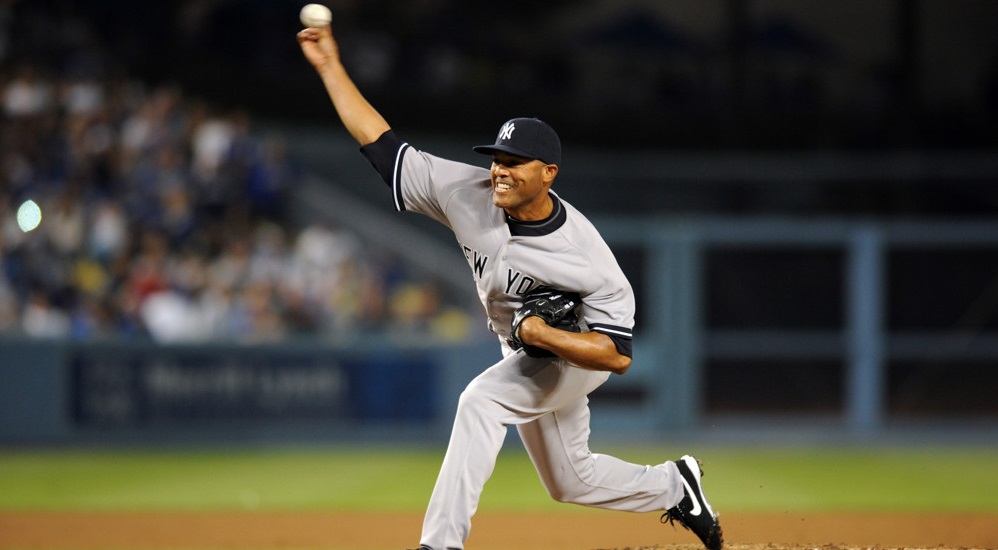
    Growing up a Yankees fan, the term “broken bat” became synonymous with “Mariano Rivera” for me. The Yankees’ close-out artist made a living inducing weak contact with his signature cut-fastball, not necessarily missing bats but certainly missing barrels.  


    Rivera’s signature offering inspired pitchers from Roy Halladay to Mark Melancon. But nobody broke bats like Mo. In fact, our data on broken bats indicates that on average, throwing more cutters has no effect on the number of hitters’ bats a pitcher saws off.  

    Because our data is entered by manual scorers, only the obvious broken bats are captured by the majority of stringers. This is an important stipulation to note before I present my findings.  

    I narrowed the number of pitchers in my analysis down to the 377 who allowed at least 100 instances of contact, or broken bat opportunities, in each of 2021 and 2022 (through August).

    For the 377 pitchers, the raw number of broken bats from 2021 significantly predicted the number of broken bats in 2022. Specifically, each broken bat a pitcher netted in 2021 portended 0.74 more broken bats for them in 2022 on average, explaining 22.3% of the variance in the metric across the seasons.  

    I first looked at cutter percentage as reported by Statcast, which did not significantly predict the number of broken bats in either 2021 or 2022.  

    While I was surprised by this result, it also confirmed something we already knew: Mariano’s cutter was special. To put some numbers on its uniqueness, Baseball Prospectus’ PitchFX leaderboards go back to 2007. Since 2007, 196 pitchers have thrown at least 1000 cutters. Mo’s piece ranks in the top 20 in velocity, horizontal and vertical movement, and fouls per swing. And this is just looking at the last seven years of his career, starting with his age-37 season. 

    Were there any offerings that did significantly increase the number of broken bats on average? For 2021, sinkers did. A 1% increase in sinker usage last year portended 0.03 more broken bats on average. While this effect seems small, it received its statistical significance by showing up consistently throughout the 2021 sample. So far this year, more sinkers have not significantly increased the number of broken bats, but they have continued to significantly increase the rate of broken bats per contact. 

    What’s more, increased four-seam fastball usage led to significantly fewer broken bats on average in 2021. This is likely because sinker usage often increases at the expense of four-seamers, and sinkers were breaking bats aplenty last year. 

    Sinkers, sort of like anti-cutters, similarly mirror fastballs but move to the pitcher’s arm-side in opposition to the typical cutter’s glove-side tilt. Essentially, the traditional maxim that cutters break bats may not be that far off; it just got the direction of horizontal movement wrong.  

    Broken bats are likely more attributable to unanticipated horizontal movement (in on the hands) than any other pitch characteristics. Typically, a broken bat will come when a batter guesses correctly in terms of pitch speed and vertical location but fails to pin down horizontal locale.  

    This will most often occur when a hitter expects a four-seamer but receives a four-seam alternative. Of the two most frequent alternatives, on average, sinkers have far more horizontal movement than cutters. While Mo’s cutter had good rise, its excellent horizontal movement even at the tail end of his career is likely the reason it broke bats.  

    Just don’t expect the typical cutter to do so. 

  • Stat of the Week: Who’s the AL MVD (Most Valuable Defender)?

    Stat of the Week: Who’s the AL MVD (Most Valuable Defender)?

    People love debating the MVP races every year. We’re seeing it now, particularly with some who wish to consider the merits of a one-of-a-kind player in Shohei Ohtani versus a player having a one-of-a-kind season in Aaron Judge.

    But what about the race for MVD – Most Valuable Defender?

    You can think of this as an early preview for the Platinum Glove Award announcement in November. We’ll do the American League this week and the National League early next week.

    Michael A. Taylor looks like he’s going to lead all center fielders in Defensive Runs Saved for the second straight season. Since Runs Saved became a stat in 2003, only two center fielders have done that: Torii Hunter for the Twins in 2003 and 2004 and Kevin Kiermaier in 2015 and 2016. He’s thrived for the Royals the last two seasons both because he excels at catching the deep fly ball and because his arm prevents baserunners from advancing at a high rate.

    To hit .173 but still make more than 100 starts in the field means you must be doing something pretty well. Rays infielder Taylor Walls is overcoming his poor offensive numbers with his defensive play. He has 10 Runs Saved at shortstop, 5 at third base and 3 at second base. The combination of versatility and quality that he provides is hard to match and has helped the Rays contend for a playoff spot even during Wander Franco’s long absence.

    Astros shortstop Jeremy Peña has a good case for being most deserving, particularly if we add in consideration for being a rookie replacing Fielding Bible Award winner Carlos Correa.

    Peña co-leads all shortstops in Runs Saved and has been at or near the top of that leaderboard all season. He can become the first first-year player to lead shortstops in Runs Saved. Peña has filled Correa’s shoes in the field more than capably, particularly in how he takes away hits going to his left.

    Baseball-Reference calculates a Defensive Wins Above Replacement based on the player’s Runs Saved total with an adjustment for positional difficulty (shortstop being the most difficult position). They have Walls (2.6 dWAR), Peña (2.5), and Taylor (2.4) as the top three and it’s a very tight race for the lead spot (for those curious, Peña has a slim lead in Defensive Win Shares). You can find the full dWAR leaderboard here.

    Lastly, though they don’t necessarily rank at the very top of the dWAR leaders, three catchers deserve consideration: Jose Trevino of the Yankees, Adley Rutschman of the Orioles, and Cal Raleigh of the Mariners.

    Trevino leads catchers in Runs Saved because his pitch-framing numbers are the best in MLB. Rutschman is an excellent framer and an excellent pitch blocker and is just behind Trevino in Runs Saved. Raleigh stands out for framing and cutting off potential basestealers. He’s also caught more innings than both Trevino and Rutschman.

    One of the cool things about this set of players is that – other than Taylor – it’s not a group you would have predicted to be here had you made any preseason guesses. Past Fielding Bible Award winners Correa, Byron Buxton, Matt Chapman, and Kevin Kiermaier seemed like much more likely options.

    So who’s your pick?

    We put a four-player ballot on Twitter with Taylor, Peña, Walls, and Rutschman (we lopped off Trevino and Raleigh because Twitter gives us only four slots). Cast your vote here, share your take, and let us know who should be the AL MVD.

    Most Defensive Runs Saved

    AL Players

    Name Team Defensive Runs Saved
    Michael A. Taylor Royals 20
    Jose Trevino Yankees 18
    Taylor Walls Rays 18
    Adley Rutschman Orioles 17
    Jeremy Peña Astros 16
    Myles Straw Guardians 16


    Most Defensive WAR

    AL Players


    Name Team Defensive WAR
    Taylor Walls Rays 2.6
    Jeremy Peña Astros 2.5
    Michael A. Taylor Royals 2.4
    Jorge Mateo Orioles 2.2
    Myles Straw Guardians 2.0
    Ramón Urías Orioles 2.0
  • Andrés Giménez Has Been A Dazzling Defender

    Andrés Giménez Has Been A Dazzling Defender

    Andrés Giménez’s first Good Fielding Play of the season came in the 8th inning of a tight game between the Guardians and Reds on April 12. I don’t have a video clip to show, so you’ll have to take my word for it.

    Giménez didn’t even touch the ball on the play, a fly out to left field that turned into a double play when Kyle Farmer, who had been running to second on the pitch, got doubled off first base.

    Giménez and shortstop Amed Rosario combined to deke out Farmer, with Giménez pretending to field a ground ball and flip to second. Both infielders sold it well. The Reds didn’t score in the inning.

    Oh, and though I’m not focusing on hitting here, I should tell you that Giménez had a moment for everyone to see – he hit a go-ahead homer in the top of the 9th, the first of many marvelous moments at the plate in 2022.

    But we’re here because I want to show that Giménez is one of the players you should most look forward to watching play defense this postseason. Because he does a lot of things that you can see that are really good. He’s a huge part of why the Guardians rank 3rd among teams in Defensive Runs Saved.

    Giménez ranks third among second basemen with 12 Defensive Runs Saved this season. We’ve previously written about the top two – Brendan Rodgers and Tommy Edman and they’ve been so good that Giménez is going to have a hard time winning a Fielding Bible Award this year. But Giménez plays with a different level of athleticism, skill, and flare.

    Most Defensive Runs Saved – Second Basemen in 2022

    Name Runs Saved
    Brendan Rodgers 23
    Tommy Edman 13
    Andrés Giménez 12
    Marcus Semien 11
    Jonathan Schoop 9
    Gleyber Torres 9
    Joey Wendle 9

    Mets shortstop Francisco Lindor (who was traded in the deal that netted Giménez) recently remarked on a national broadcast that next year’s banning of full defensive shifts would create an environment in which great athletes would thrive.

    Lindor could have been talking about someone like Giménez, whose 9 Runs Saved in non-shifted alignments, which makes sense given that the Guardians shift less than any other team.

    Giménez’s 7 jumping plays are one off the MLB lead at the position and his 9 sliding plays rank second among second basemen (make sure to catch the call from White Sox announcer Jason Benetti on the second play below).

    But there have been plenty of smiles when he’s stayed on his feet too. This play had a 5% out probability and was worth 0.7 Runs Saved.

    This one, which just happened on Saturday, was a little easier. The out probability was still only 26%.

    There’s one aspect of how Giménez plays that he may have to rein in because it might come with a future cost. Giménez is a highly-aggressive diver. His 47 diving attempts, 40 of which have come at second base, rank second in MLB. And they’ve resulted in only 7 outs, a success rate of 15%. That’s below the MLB average of 25%.

    Giménez leads the majors in the combined total of sliding, diving, and jumping attempts, and while that both provides value and looks cool, it can be harmful to one’s health.

    Our studies have shown that players who slide, dive, and jump a lot, particularly at an active position like middle infield, are at a prominent injury risk. Giménez ranks among the players most likely to incur an injury warranting a stay on the IL and will probably be on our list of most likely to be injured in 2023.

    But for now he’s healthy and so long as he stays so, he’ll be one to watch come October.

  • Stat of the Week: What’s Aaron Judge Crushing?

    Stat of the Week: What’s Aaron Judge Crushing?

    Did you see Brewers pitcher Luis Perdomo’s reaction to giving up Aaron Judge’s 59th home run of the season?

    Perdomo made the ultimate mistake.

    First off, he threw Judge a slider.

    Per FanGraphs’ pitch values, which have been tracked for the last 20 seasons (using our pitch data), no hitter has had quite a season against sliders like Judge in 2022. He’s hitting .315 and slugging .723 with 15 home runs in at-bats ending against them this season.

    MLB hitters are batting .215 and slugging .359 when an at-bat ends with a slider this season. Judge’s batting average is 100 points higher than average. His slugging percentage is more than double it.

    Judge has tripled his home run total against sliders from last season in roughly the same number of sliders faced. He hit .320/.580 against sliders in 2018 but managed only 6 home runs against them.

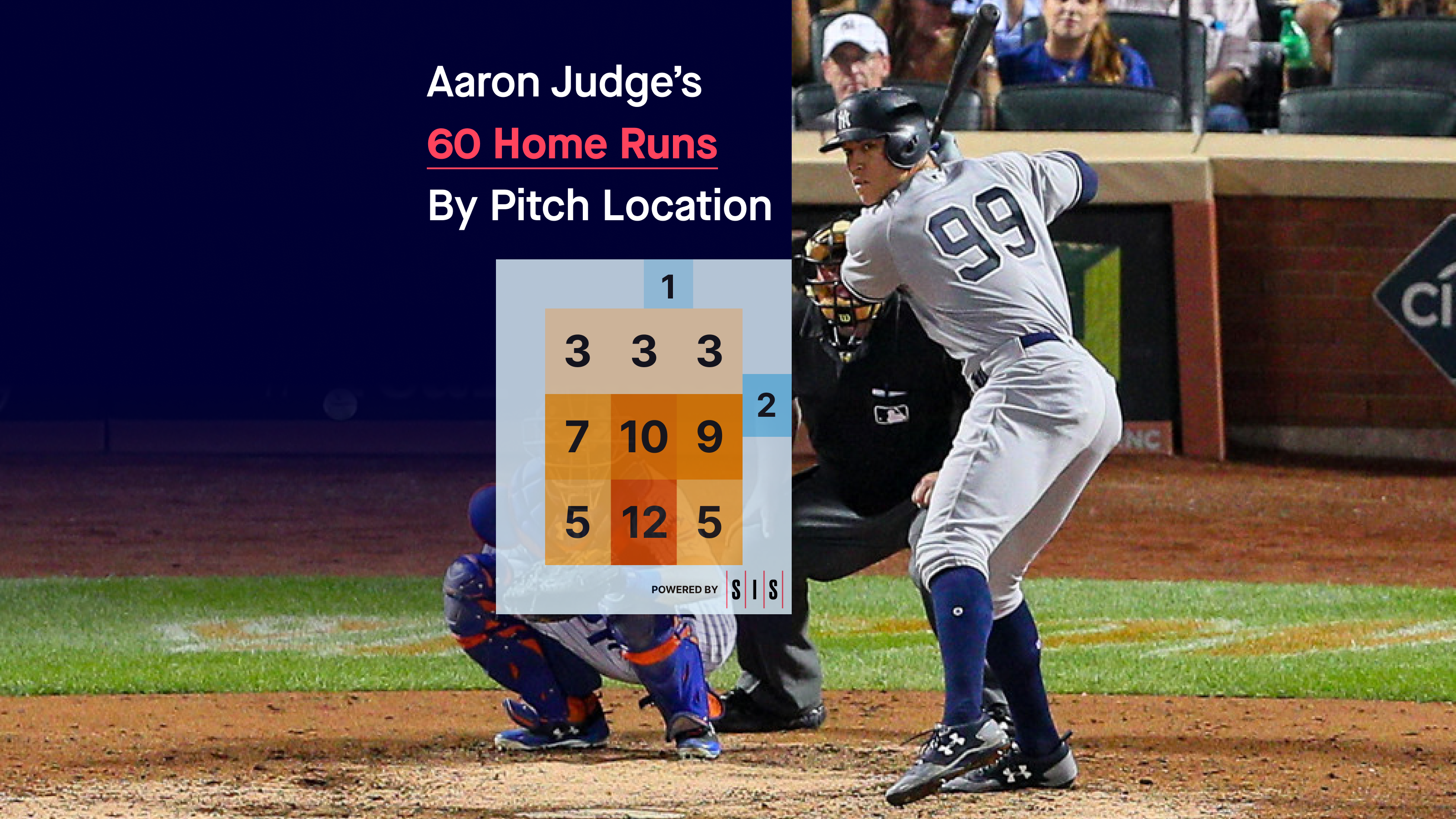
    Secondly for Perdomo, the pitch hung and ended up about as “middle-middle” as you can get.

    Judge has 10 home runs in at-bats ending with middle-middle pitches this season. So does Mookie Betts, who is having a terrific season. But Judge is hitting .477 (21-for-44) on pitches thrown to that area. Betts is at .333 (20-for-60).

    MLB batters are hitting .325 and slugging .596 when at-bats end versus those pitches in 2022. They average a home run every 41 middle-middle pitches. Judge is averaging one every 14 pitches. He’s basically homering at three times the rate of anyone else against them.

    And that’s the story here.

    Judge is on a Triple Crown pace and on track to break Roger Maris’ AL home run record both because he can hit the pitches that very few batters can hit well (admittedly he got an easier one to handle in this instance) and hit the pitches that everyone can hit well, but at an otherworldly level.

  • Defensive Excellence Q&A: Point Park University’s Loren Torres

    Defensive Excellence Q&A: Point Park University’s Loren Torres

    Loren Torres has been coaching college baseball for 25 years and will be entering his 13th season as head baseball coach at Point Park University in Pittsburgh, an NAIA school at which he’s won six conference championships and been to the national tournament four times. He’s won more than 500 games in all.

    Loren is a native of Puerto Rico and played baseball at Trinity International-South Florida. His teams have a geographic and ethnic diversity rarely seen in college baseball.

    Loren is the fourth interview in Mark Simon’s series on the teaching of defensive excellence in baseball.

    We’ve previously talked to Red Sox minor league infield coordinator Darren Fenster, Hawaii high school baseball coaching legend Dunn Muramaru and Nelson Cooper IV of the Pittsburgh Hardball Academy.

    Loren: Our team is a melting pot. It’s pretty special to see all that come together for the greater good of the team when you are able to put a uniform on and everyone think of the name on the front and you could bypass color and culture and where you’re from and everything else.

    Mark: How did that come about?

    Loren: I grew up in Puerto Rico and in the Caribbean; baseball’s a way of life. It’s like soccer in Europe. It’s in your DNA. I grew up there and have contacts there. I went to high school and college in south Florida, which is a very diverse area. And I got more creative in terms of my contacts. Coaching 25 years, those expand. I was going to Venezuela when it was safer to go there. And I made contacts in Panama and Canada. We’ve been fortunate to tap into our resources and have a diverse team.

    Those cultures come together for the greater good of the team.

    Mark: What does defensive excellence mean to you?

    Loren: Defensive excellence means that you’re not creating things like what you could consider a turnover in basketball or in football. We’re making sure that we’re making every routine play.

    We’re a unit and we’re generating synergy. We talk a lot about a synergy. Some people underestimate the power of synergy.

    Synergy is a law. When you have nine people playing defense that could play like there’s 15 out there and you have a dugout that’s involved in the game, and the whole thing is in sync. Then you could hold a team and give yourself an opportunity to win it on the offensive side.

    Mark: What’s an example of synergy in action?

    Loren: A ball is hit in the gap with a man on base and we have to do a double relay, and you’ve got the first baseman and third baseman moving and in the dugout, all the guys are saying “double relay!”

    They read it right off the bat because they’re involved in each other’s jobs. They know they’re in sync with everything that’s going on and they know to keep each other accountable.

    On that play a couple of years ago, we threw a guy out at the plate and won to go to the conference championship.

    Mark: Okay. So how do you go about teaching the defense?

    Loren: There’s a sense of community here, starting with the outfield.

    When we’re in practice, everyone’s lined up on the warning track and the outfielders are playing balls live. The outfielders are never waiting around. We maximize our time on the field.

    With ground balls, I’m a huge believer in repetition. A lot of people say quality over quantity, but the reality is that some people that say that are saying it because they don’t wanna do 300 ground balls.

    We mix the quality and the quantity and we’ll take 300 ground balls. That’s not an exaggeration.

    We have a structure. While we’re taking BP, we’re always working on something defensively. You have a coach who is a good leader, they’ll follow your lead. And if it means a lot to you, it’s gonna mean a lot to them. We talk a lot about being clean on defense and handling the baseball, playing at high level. But the preparation is where it comes from. When a routine grounder gets dropped at practice, we learn from it. We talk about concentration and making sure we’re giving it its due attention. It has to be every day. You can’t go through the motions.

    Everything we do is game speed.

    Mark: Do you have any specific drills or things that are unique to your program?

    Loren: We do tons of drills, but what’s unique to us is the amount of ground balls that we take. That’s the first thing that shocks players when they come here. We’re hitting ground balls, hitting ground balls, hitting ground balls.

    We do cone drills. Our feet are always moving. Good feet equal good hands. We have aggressive feet with soft hands. We want to cut off the distance between us and the baseball. Moving the feet forward is super important. With our outfielders, we always talk to them about keeping the double play in order [by getting the ball into second base on base hits].

    90% of what we do is mimicking something to what it looks like in a game.

    Mark: You have a diverse roster, with a lot of kids from Puerto Rico, Venezuela, and the Dominican. How were these kids coached before they got to you?

    Loren: In the Caribbean, it’s hit, throw fast, play games, no practice. When they get here, they don’t know what a bunt defense is. They don’t know what a first and third defense is. The pitchers don’t control the running game.

    We work individually with them and talk to them about some things, explain it, break it down, but it takes longer to learn those things like defensive mechanics. But they bring a certain fire that’s hard to find. It’s not a hobby for them. And when you get them to buy into the techniques and foundation, they become even better.

    That’s hard to find. Once you get them to buy into the technique and the foundation, then they become even better.

    We had a pitcher recently, Ruben Ramirez, who is now in the Royals organization. He didn’t pitch much the first two years. He threw 91 to 93 and couldn’t control the running game. He got better. He used to have a high leg kick and guys would steal on him a lot, and he’d get flustered if he gave up a hit. He got it all together his senior year and was NAIA Reliever of the Year.

    Mark: Do you have any examples like that for defense?

    Loren: They all come in pretty raw. We talk to them a lot about substance before style and that competitive strong comes before technique strong.

    Every guy has some transformation. We care about the person first and because of that, they begin the transformation process. They understand that you want them to succeed. Once they do, they buy in and do what we ask. Some guys take awhile, sometimes it takes a couple of years. Everyone goes at a different pace.

    Mark: If you could fix one thing about how young people are taught defense, like universally, what would it be?

    Loren: Not to stay back on the ball. It eliminates so much room for air when you’re moving your feet and cutting the distance. And if you bobble the ball, you’ve still got time to make the play. Staying back on the ball creates a window for mistakes.

    Mark: Is there anything else that you’d like to share?

    Loren: You have to be competitive strong before you’re technique strong,

    Mark: What’s competitive strong?

    Loren: Competitive strong is that when the bell rings, you have to go out there and use your instincts. The whole thing has to kick in. You have to go and compete and help the team win and all the practice should be automatic. We work hard in simulating so that when the game comes, we’re just competitive strong.

    We wanna have fun. We want the best parts of the day to be practice and to be games. They’ve got to be enjoying what they’re doing and be confident. Without confidence, they aren’t going to reach their potential. So we want them to be competitive strong before technique strong.

  • Stat of the Week: Which Teams Shift The Most?

    Stat of the Week: Which Teams Shift The Most?

    The Dodgers have led the majors in full shift frequency in each of the last four seasons, so they’re going to have some adjusting to do with the implementation of new rules prohibiting such defensive alignments next season.

    A full shift is defined as one in which three infielders are playing on the pull side of second base. Alignments in which two infielders are playing on each side of second base with two deviating significantly from straight-up positioning are known as partial shifts (which will still be permitted in 2023).

    This season, 53% of balls put in play against the Dodgers defense have come against a full defensive shift. That’s a near match for last season (54%), 2020 (55%), and 2019 (52%). The Dodgers made their big jump in shift usage after the 2018 season, a year in which they shifted on 24% of batted balls.

    For all their aggressiveness, the Dodgers are similarly good at turning groundballs and bunts into outs whether they use a full shift, a partial shift, or no shift. In all, they rank 8th in the majors in groundball and bunt out rate and are within striking distance of the Top 5.

    Right with the Dodgers in shift usage this season are the Blue Jays, another team for whom 53% of balls in play have come versus full shifts (for greater specificity, the Dodgers were at 53.0%, the Blue Jays, 52.7%).

    The Blue Jays radically changed their defensive approach this season after using full shifts against only 22% of balls in play in 2021. That 53% number was considerably higher earlier in the season, but it has since tapered off.

    Toronto also changed its defensive look in the outfield. The Blue Jays are the MLB leader in what we call “outfield shifts,” instances in which the Statcast data shows that the three outfielders are positioned at least 110 total combined feet from their average position.

    The Blue Jays have used an outfield shift 412 times this season. The only other team to do so more than 100 times is the Marlins (110).

    The team’s infield and outfield have combined for 32 Runs Saved this season compared to 27 in 2021. Add in strong work from their pitchers and especially their catchers and the team as a whole ranks 6th in MLB in Defensive Runs Saved this season, up from 15th in 2021.

    The Astros’ defense will be fascinating to watch next season as they’ll have to change their approach a lot. They have full-shifted on 48% of batted balls against them, but that rate jumps to 79% vs left-handed batters.

    The Astros’ shifting has compensated for the age and lack of skill of some of their infielders. The team has gotten negative Runs Saved out of first base, second base, and third base this season, though their shortstop, Jeremy Pena, ranks among the leaders at the position in Defensive Runs Saved.

    Though the Astros rate slightly below average at turning groundballs and bunts into outs in full shifts, it’s likely no one is currently complaining given that they have the best record in the AL and their outfield leads MLB in Runs Saved.

    As for the teams that will have the least amount of adjusting to do, the Rockies rank at the bottom in shift usage, with one used on just 18% of balls in play against them. The Rockies’ rank in the Top 5 in Runs Saved at first base, second base, and third base this season, as their infield has thrived.

    The Guardians (21%), Orioles (22%), Padres (23%), and Yankees (24%) follow the Rockies in least shift usage, with the Yankees inclusion being noteworthy. Their infield leads the majors in Runs Saved this season. They’ve done what’s worked with their personnel and thrived with it.