
Category: Baseball

  • Playing The Field: Targeting Defensive Improvements At The Trade Deadline

    Playing The Field: Targeting Defensive Improvements At The Trade Deadline

    Defense is incredibly important for sustained success. We’ve written about it before and it’s still true.

    In 2021 the Yankees and Red Sox were the only playoff teams not ranked in the top 15 of Defensive Runs Saved. The World Series champion Braves finished the season 8th in Runs Saved. One of their midseason additions was Adam Duvall, the 2021 Gold Glove winner in right field. The Dodgers and Astros are consistently Top 10 in Runs Saved and both teams consistently make deep postseason runs.

    The Yankees subsequently made major improvements in the infield and at catcher and have gone from 29th in 2021 to 1st this season. The Red Sox, who spent much of the season in the Top 10, currently rank 11th. But not every team has made that kind of climb

    So, I wanted to see which teams with realistic postseason aspirations can improve defensive holes in their roster at the trade deadline.

    Defense gets somewhat overlooked at the trade deadline but the Braves in 2021 showed how important trading for defense can be. Most players mentioned here aren’t big splash trades. They are role players that can take these teams to the next level.

    The current 2022 team rankings in Runs Saved can be found here.

    Atlanta Braves (+11 DRS, T-16 in MLB) 3 GB in NL East, 1st in Wild Card

    Last season the Braves were one of the most active teams at the trade deadline, trading for Duvall and Eddie Rosario. This season, the need may be there again. Duvall was just shut down for the season with a wrist injury so the Braves will need to fill that void.

    Michael Harris II has been exceptional in CF since being called up, posting 5 Runs Saved. He needs a little more support in the corners, where Ronald Acuna Jr. is at -3 Runs Saved and left field has been a revolving door among Rosario, Marcell Ozuna and Guillermo Heredia. All are offense-first players.

    The Braves offense is one of the best in baseball, so adding someone who is defense-first shouldn’t cause them too much of a hit.

    Left Field -10
    Right Field -4

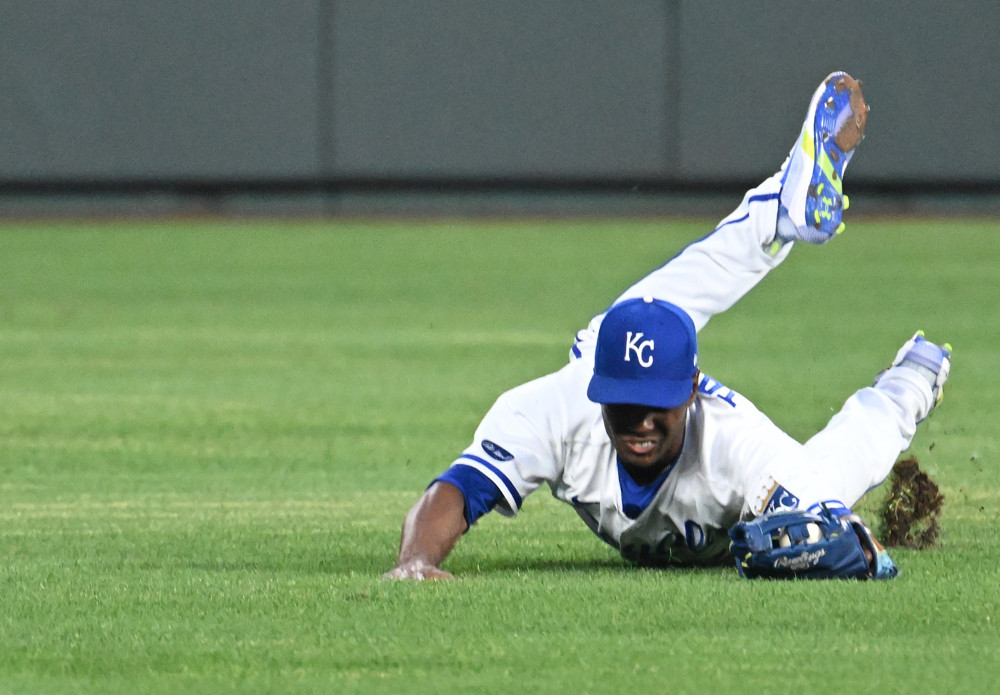
    Michael A. Taylor would be an interesting defensive addition. Taylor led center fielders in Runs Saved last season and ranks tied for first in 2022. He’s played both corner outfield positions and his presence would allow the Braves to essentially have two center fielders in the game at the end of the game. Taylor and Harris next to each other would be an incredibly exciting defense to watch.

    The Royals might not want to trade Taylor. He’s theirs for a reasonable $4.5 million next season if they don’t deal him. But he’d be a great glove for any team in this pennant race.

    Tampa Bay Rays (14 DRS, 14th in MLB) 3rd in Wild Card

    After finishing 4th in Runs Saved in 2021, Tampa Bay has dipped slightly, this season. Tampa Bay is usually closer to the top 5 in Runs Savedbut currently ranks 14th. The Rays had some major injuries, with Wander Franco missing time and now Kevin Kiermaier being shut down for the season. Thankfully for them they have Taylor Walls to back up Franco but other positions have been problematic for their defense.

    Kiermaier is annually in the discussion for best defensive outfielder in baseball. His loss is going to be huge down the stretch for the Rays. He’s finished top 5 in CF in Runs Saved in every season since 2015. Brett Phillips has been a good replacement for Kiermaier in past seasons but his numbers are underwhelming in center field (-5 Runs Saved) in 2022. He’s been much better in right field (8 Runs Saved).

    One thought is that the Rays didn’t want the extra year of Taylor (mentioned above as a Braves option), that they could try to snag Bradley Zimmer from the Blue Jays but it seems unlikely the teams would trade given that they are playoff rivals.

    First base is the other problem area for Tampa to try to shore up and a position that has plenty of options. Ji-Man Choi has played the majority games at first. He currently has -2 Runs Saved but he isn’t known for his defense.

    An addition of Christian Walker would make Tampa’s infield defense one of the best in baseball. Walker is the runaway leader in Defensive Runs Saved at first base but would be a more expensive piece to trade for since he’s not a free agent until 2025.

    Josh Bell is the other first baseman Tampa Bay can go after. The reason to get Bell is for his bat, but he’s been much better defensively than he has been in previous seasons. He’s currently at 2 Runs Saved, though he’s never finished a season with a positive Runs Saved total. He averaged -6 Runs Saved from 2016 to 2019 but has progressed to the point of rating slightly above average.

    Other names to watch would be Dominic Smith of the Mets and Michael Chavis of the Pirates, both of whom have played the position at about an average level for their respective careers.

    Seattle Mariners (38 DRS, 8th in MLB) 2nd in Wild Card

    While it’s hard to criticize the 6th-best defense in baseball the Mariners have a big hole in left field (-10 Defensive Runs Saved). Jesse Winker gets the majority of playing time there and currently has -11 Runs Saved, the worst out of all LFs in baseball. Winker’s never been known for his defense but this season has been even worse than past seasons. It’s hard to see them getting an everyday left fielder to play over Winker but I think a defensive replacement and someone who could hit would be a great fit.

    Tommy Pham is one for them to consider. Pham has 4 Runs Saved in left field, would be a solid late-game replacement for Winker, and could play vs left-handed pitching. He’s never been great defensively but is definitely an upgrade over Winker, because of his speed and ability to cover more ground.

    The only issue with Pham being acquired is the price, he’s signed through 2023.

    Robbie Grossman is a potentially cheaper option for whom 2023 wouldn’t be a concern (he’d be one for the Braves too). He’s a little better than Winker in the field, currently has 2 Runs Saved, and is a potential useful bat as a switch-hitter.

    San Francisco Giants (-30 DRS, 28th in MLB) 3 games out of Wild Card

    The Giants have been one of the biggest disappointments defensively in 2022 and their bad defense has caused them to sink, to the point where they might not be buyers any more.

    Here are some of the positions that have been the biggest problem.

    Second Base -13
    Third Base -14
    Shortstop -8
    Left Field -18

    They need help all over the field so there are plenty of options available for them. The Giants love to move players around and use utility players. There are a couple players that fit that bill that shouldn’t cost too much to acquire.

    Joey Wendle of the Marlins would be the perfect fit in San Francisco. Wendle has played 2B, 3B, and SS for Miami this season and has positive career Runs Saved in all three positions (3 Runs Saved overall in 2022). His contract includes a club option for 2023 so he could be more than just a one-year rental. Wendle would dramatically improve the defense at any position they decide to play him.

    In left field Joc Pederson, Luis Gonzalez, and Darin Ruf have played the most. All three of these guys have struggled, with each at -4 Runs Saved or worse there. Options like those previously mentioned (Taylor, Grossman) are out there. Another potential fit could be Sam Hilliard of the Rockies as a late-game replacement. He has experience at all three outfield spots and would be a defensive upgrade.

    Philadelphia Phillies (-22 DRS, 26th in MLB) Tied for 3rd Wild Card

    Going into the season the Phillies knew defense would be an issue. Signing Nick Castellanos and Kyle Schwarber were moves meant to bolster the offense. The Phillies planned on having Bryce Harper play RF but once he started to have shoulder issues, he could only DH.

    Castellanos has been the worst defensive right fielder this season with -12 Runs Saved. Schwarber is second to last in left with -7. The outfield isn’t the only problem area for the Phillies defensively though. The entire team has had defensive issues.

    Third Base -11
    Shortstop -8
    Left Field -5
    Center Field -7
    Right Field -14

    Wendle is a great fit here too. As I mentioned for the Giants, Wendle has been exceptional in multiple infield positions. He’s a match for any team looking to add a glove at the deadline.

    Matt Reynolds of the Reds could be an infield option for Philly as a useful defensive replacement. Reynolds has 1 Run Saved at third base and 3 Runs Saved at at shortstop.

    Reynolds would be a defensive upgrade over Didi Gregorius and Bryson Stott at shortstop and/or a potential ninth-inning replacement for Alec Bohm at third base. It’s a very small pickup that could have a good payoff.

    Considering how bad the outfield defense has been, a big-time defensive stud would make a nice splash for the Phillies. Jackie Bradley Jr. of the Red Sox would give them an elite defender to put between Schwarber and Castellanos … if the Red Sox were willing to trade him.

    Bradley Jr. has played mostly right field for Boston this season and has 6 DRS there. In center field he’s at -1 Runs Saved but his track record is excellent. He makes defense look incredibly easy and could cover ground like few other outfielders.

    Bradley another player for whom next season is a consideration, as he has a mutual option in his contract, but given the Phillies’ desire to win, the price could be worth it.

  • Dodgers Displaying Dominant Defense

    Dodgers Displaying Dominant Defense

    The Dodgers are 64-31 and 17-3 in July. They’ve been the dominant team that they were expected to be.

    And we should give credit to their defense.

    The Dodgers currently rank second to the Yankees in Defensive Runs Saved.

    Most Defensive Runs Saved in 2022

    Team Runs Saved
    Yankees 69
    Dodgers 57
    Orioles 50
    Blue Jays 46
    Astros 39

    They’re first in that stat in July with 24 Runs Saved, meaning their defense has saved them more than one run per game this month. It ranks first in turning balls hit in the air into outs and second in turning ground balls and bunts into outs since the month began.

    And what’s noticeable about their performance this month is that it’s a little more…noticeable.

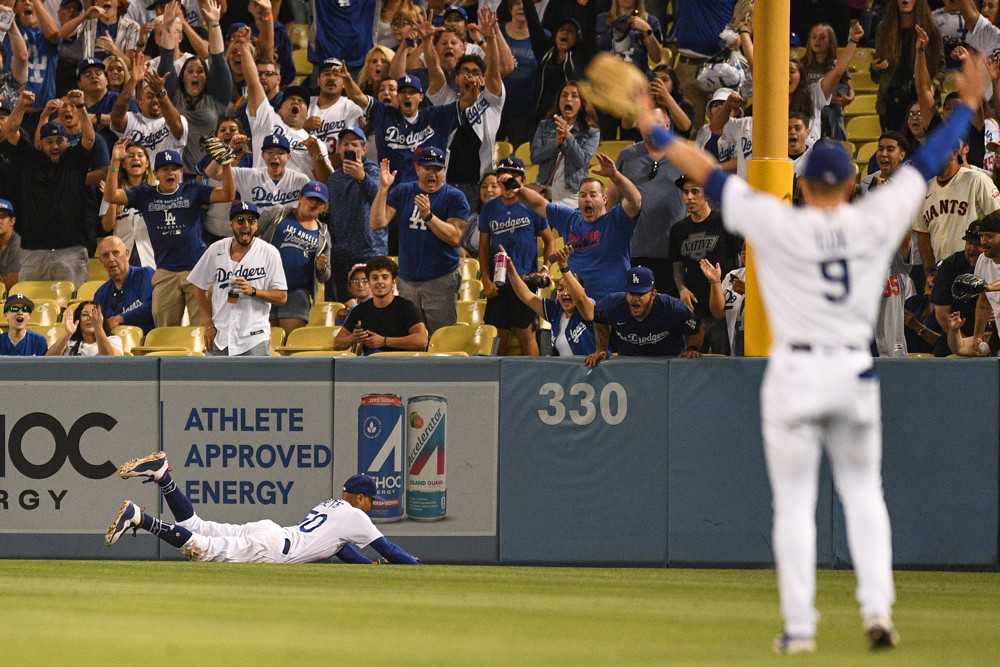
    Our Video Scouts track “Good Fielding Plays.” These include diving, leaping, and sliding catches, but also things like quick double play turns, throws scooped at first base, and cutting off balls in the outfield to keep a runner from advancing an extra base on a hit.

    From April to June, the Dodgers totaled 64 Good Fielding Plays. Only the White Sox had fewer (63). This month, the Dodgers have 22, tied for 7th-most.

    These two were impactful in an eventual one-run win.

    July 8 vs Cubs


    And this one was a four-game sweep ender.


    We should also note that the Dodgers have put their fielders—particularly their infielders—in position to do this kind of work with their defensive positioning.

    The Dodgers have 23 Runs Saved credited to infield positioning this season. Only the Giants have more (37). But the Dodgers do what the Giants don’t do—finish the play. The Giants rank tied for 28th in Defensive Runs Saved. The Dodgers were at just 14 Runs Saved from positioning heading into the month, with the big jump coming from plays like these:


    53% of balls put in play against the Dodgers defense have come against a full shift (three infielders on the pull side). That’s the second-highest rate in MLB.

    That defensive approach has been validated this month. The Dodgers have upped their out rate on ground balls and bunts in full shifts from 74% from April to June to 77% in July. A 3 percentage-point jump might not sound like much, but it’s the difference between ranking 26th and 11th.

    The Dodgers don’t have any players with overwhelming defensive stats. Max Muncy and Mookie Betts lead the team with 7 Defensive Runs Saved, with 4 of Muncy’s coming this month. But the Dodgers also don’t have any significant weaknesses. Chris Taylor (-4 Runs Saved) is the only fielder to cost the team more than a run with his defense and his track record at his primary position (left field) indicates that he’s better than that.

    In sum, the Dodgers have a lot of good things going on defensively. And that adds up to being a great defensive team in 2022.

    Most Defensive Runs Saved – Dodgers in 2022

    Player DRS
    Max Muncy 7
    Mookie Betts 7
    Trayce Thompson 5
    Austin Barnes 4
    Will Smith 4
    Cody Bellinger 4


  • What’s going on with Josh Hader?

    What’s going on with Josh Hader?

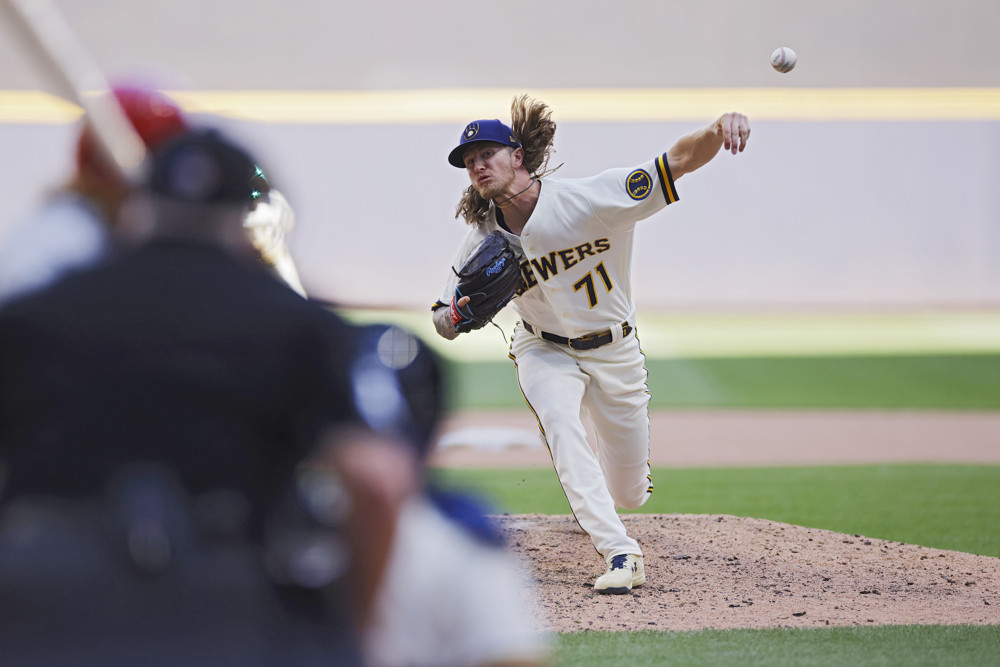
    Milwaukee Brewers closer Josh Hader, one of the most dominant pitchers in baseball, is currently in a slump, having allowed nine runs in his last two outings.

    Pitching slumps usually don’t get talked about as much as hitting slumps but both are similar. Pitchers can get into bad funks, develop new habits, and lose their usual way of what makes them so great.

    A closer look at a combination of video and data from Hader, who was unhittable for the first two months of the season, led us to find something that was a little different compared to his usual dominant self.

    His pitches may be easier for hitters to pick up

    What’s changed?

    The average horizontal and vertical movement on his fastball and slider have not changed much. His velocity and spin rates are consistent with what they usually are. His mechanics are just as clean and fluid.

    But some of the advanced metrics are starkly different from 2021 to 2022. It seems like Hader has lost some of the deception that made him great.

    2021 2022
    Batted Ball Events 96 61
    Barrel % 6% 16%
    Hard Hit % 30% 36%
    First Strike % 60% 53%
    Zone Swing 68% 61%
    Zone Contact 69% 74%
    Swinging Strike % 21% 16%

    One thing that always separated Hader is his low arm slot and how far towards the first base side of the mound he throws from. The best version of Hader throws his fastball up in the zone and get swings and misses. His fastball always has some of the best “rise” to it because its coming from such a low slot. Hitters can’t touch it.

    This season it appears that Hader is throwing from a slightly different average release point. This may be making it easier for hitters to pick him up.

    Hitters are swinging less at pitches in the zone but when they do swing, they are making contact more frequently. Not only are they making contact but they are barreling his pitches almost three times as much as last season. Since his pitch metrics haven’t changed, this could be a product of his new release point.

    Baseball Savant’s 3D pitch illustrator is an awesome way to show the difference between his average release points in 2021 and 2022. Not only is the average release in 2022 higher and less horizontal from the middle of the mound but he also has two different release points for righties and lefties. In 2021 the fastball had only one release point. The slider had two but they were very close together.

    Horizontal Release Point Vertical Release Point
    2021 FB 3 feet, 1 inch 5 feet, 4 inches
    2022 FB 2 feet, 10 inches 5 feet, 6 inches
    2021 SL 3 feet, 5 inches 5 feet, 1/2 an inch
    2022 SL 3 feet, 2 inches 5 feet, 3 inches

    Hader’s throwing from around 2 to 3 inches higher and 2 to 3 inches less horizontally than he was last season. It’s affected his fastball more than his slider but both pitches have been hit more. The change in release height gives the pitch less of an appearance of rising and reduces its effective velocity. The pitch is now coming from a more conventional arm slot.

    Hader usually owns the top of the zone, especially with the fastball, but this season is different. Hader’s already given up more hits on the fastball in 2022 (14) than in 2021 (12). And more hits in the upper third of the zone already too.

    2021: 5 hits, 64 outs vs upper-third fastballs

    2022: 6 hits, 21 outs vs upper-third fastballs

    Hader’s fly ball percentage has also gone up from 46% to 56%.

    April/May vs June/July

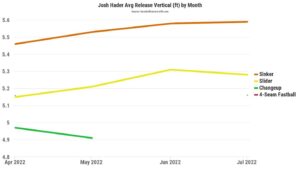
    Considering that Hader didn’t give up a run until June, it seemed worthwhile to break everything down month by month. The Baseball Savant vertical release graph below shows his fastball and slider release point has been increasing as the season has progressed. This has coincided with his struggles.

    April and May

    Vs fastball: .086 BA in 35 at-bats (3-for-35)

    Vs slider: .000 BA in 17 at-bats

    But once the calendar hit June, things started to change

    June and July

    Vs fastball: .306 in 36 at-bats (11-for-36)

    Vs slider: .300 in 20 at-bats (6-for-20)

    Even though the release point changes are small, it’s the only thing that we’ve noticed about Hader has changed physically. For a pitcher like Hader that is so quick to the plate and usually repeats his delivery incredibly well, perhaps the change is affecting him.

    Baseball is a game of struggles and the great ones always find their ways out of slumps. It’s hard not to see a way that Hader gets back to his usual self because he’s proved for so long how great he is. The Brewers need him to be the old Hader in the second half.


  • Stat of the Week: First Half Defensive Runs Saved Leaders

    Stat of the Week: First Half Defensive Runs Saved Leaders

    BY MARK SIMON

    As we get set to start the second half of the season, let’s run through the MLB leaders in Defensive Runs Saved.

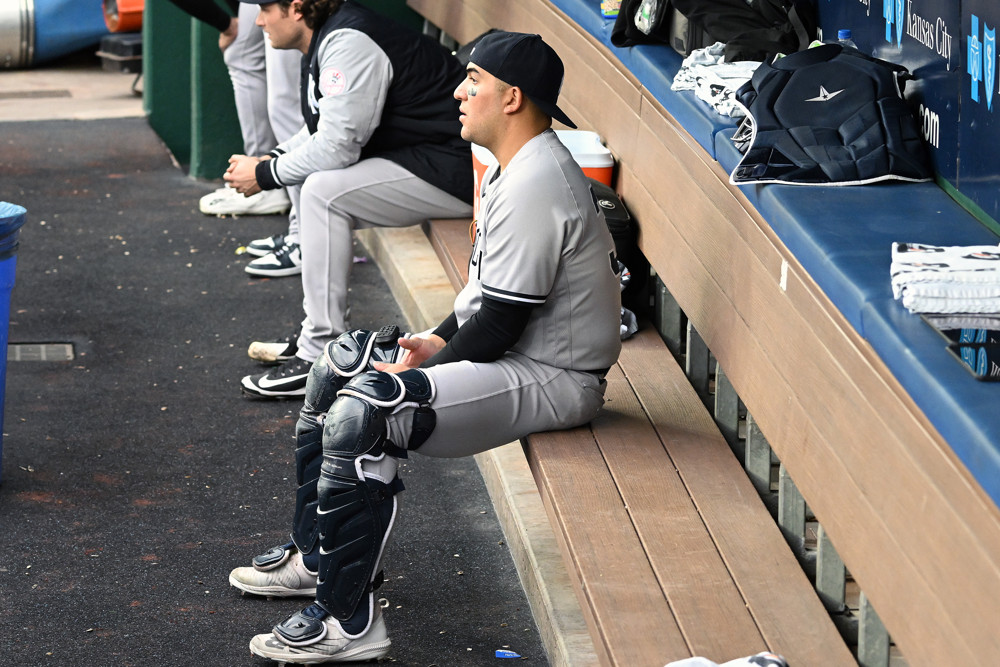
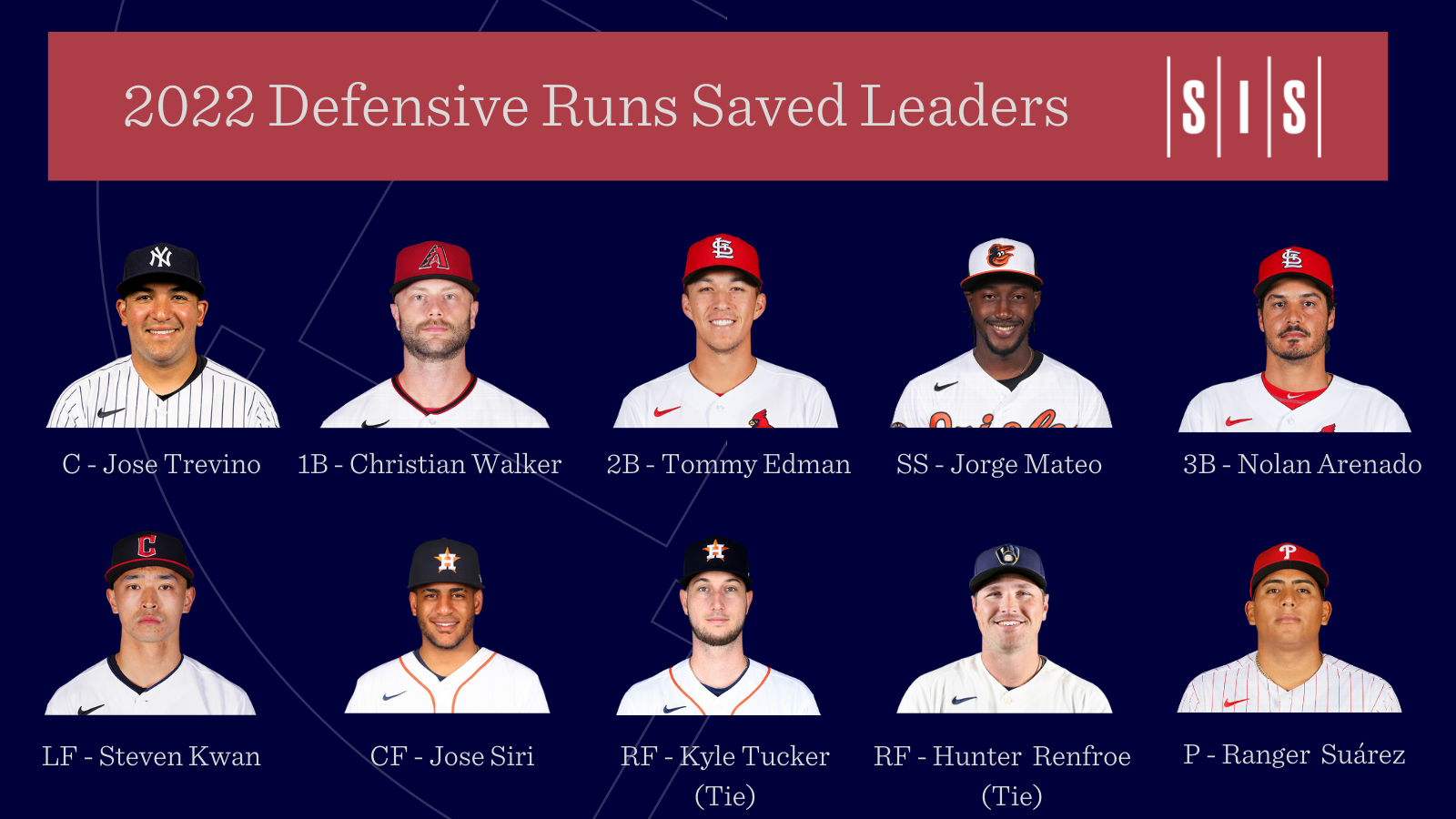
    At catcher, it’s a runaway. Jose Trevino of the Yankees leads all catchers in Runs Saved by a wide margin. His 15 Runs Saved are more than double the next-closest catchers, Reese McGuire and Cal Raleigh (7). Trevino stands out because of his excellent pitch framing. He’s good at stopping the running game too.

    At first base, Christian Walker of the Diamondbacks has range for days. He’s able to get to balls in the 3-4 hole like no one else, while covering first base without issue. He’s at 13 Runs Saved. The next-closest first baseman is Vladimir Guerrero Jr. with 7.

    Tommy Edman of the Cardinals has split time between second base and shortstop. He’s been great at both spots and leads the majors in Runs Saved overall (17) and at second base (11).

    What differentiates Edman from his peers is how infrequently he makes mistakes. He has only 2 Defensive Misplays & Errors at second base. He’s the only second baseman to average less than 1 Misplay & Error per 100 innings among the 40 who have played the most innings this season.

    The Orioles have had a nice resurgence this season and shortstop Jorge Mateo deserves some credit for his great defense. He’s the Runs Saved leader at that position with 13, showing great skill in handling ground balls and line drives, particularly those hit to his right.

    Nolan Arenado’s defense at third base for the Cardinals this season looks a lot like the great defensive work he did for the Rockies. Arenado still seems to be in his defensive prime. He’s the Runs Saved leader at the position with 15, well more than the 6 he had last season.

    In left field, remember the hot start Steven Kwan of the Guardians got off to with the bat? Well, he’s pretty good with the glove too. He can catch it (9 Runs Saved for Range) and he can throw it (4 assists in left field without a cutoff man). His 10 Runs Saved as a left fielder are the most in MLB.

    Center field is going to be a tough call for Fielding Bible Awards voters down the road. Right now, the leader is Jose Siri of the Astros, who shows great athleticism on both shallow and deep balls and leads with 8 Runs Saved. A lot of other center fielders are within two runs of his total including Myles Straw, Michael A. Taylor, Michael Harris II, and Cedric Mullins.

    The first half ended with a Defensive Runs Saved tie in right field between Kyle Tucker and Hunter Renfroe, each with 10 Runs Saved. They get it done a little differently. Tucker’s been known to make impressive catches in deep right field. Renfroe has a great throwing arm. Take your pick, they’re both off to great starts.

    At pitcher, it’s the 2nd year in a row that Ranger Suarez of the Phillies has gotten it done both handling comebackers and stopping potential basestealers. He’s yet to allow a stolen base this season.

    The team leader in Defensive Runs Saved is the Yankees. This is quite a turnaround for a team that ranked 29th last season. The Bronx Bombers have become the Bronx Stoppers – remaking their infield into the best in the game at getting outs on ground balls.

  • Checking In on Checked Swings

    Checking In on Checked Swings

    I’ve long said that my favorite play in baseball is the swinging strike. There’s just something so satisfying about a pitcher hitting their target, the smack of the catcher’s mitt after a ball successfully eludes an outstretched bat by mere inches. For instance, check out this Zack Greinke rainbow hook that gets Amed Rosario fishing:

    That’s right, Greinke’s still striking guys out with his 75 MPH breaker at 38 years old. But there’s more to a swinging strike than just the audiovisual gratification. Each swinging strike is the result of a pitcher emerging victorious from a battle with the batter.

    As impressive as it is that Greinke has maintained—13 years later—even some semblance of the movement that notched him a Cy Young, it’s hard to say whether that Rosario whiff was due more to the quality of the pitch itself or Greinke’s ability to catch him off balance.

    Putting these two facets together, what a swinging strike really represents is the gold standard of pitcher deception; a batter typically swings and misses when a hurler leads them to falsely believe a ball will end up in their wheelhouse.

    But, in terms of deception, why should the swinging strike stand out? Obviously, generating called strikes also requires deception: a hitter often takes a called strike, failing to get the bat off their shoulder, when they think a pitch that ends up down the middle is headed out of the zone. The difference between called and swinging strikes is that swinging strikes require the batter to commit. One important aspect of commitment is that it takes the mercurial umpire out of the equation. For this reason, swinging strike rate (SwStr%) is a lot more indicative of a pitcher’s true ability to fool hitters year-over-year. Consider the table below:

    2019 ~ 2020 R2 2020 ~ 2021 R2
    SwStr% 0.56 0.54
    CStr% 0.22 0.29

    There were 61 pitchers who threw at least 50 innings in each of 2019, 2020, and 2021. R2 in this instance describes the proportion of the variance in some factor y that can be explained by some other factor x.

    Despite the volatility of statistics in the shortened 2020 season, 2019 SwStr% (factor x in this instance) could explain more than half of the variance in 2020 SwStr% (factor y), and 2020 SwStr% (factor x) could explain more than half of the variance in 2021 SwStr% (factor y).

    But the corresponding numbers for called strike rate (CStr%) settled in at around a quarter. This discrepancy between the two forms of strikes can be chalked up to the different degrees of umpire-based luck involved.

    But what about checked swings? They require a degree of commitment from the hitter, but often input from the umpire as well. And they certainly involve pitcher deception. Just look at how ridiculous Pierce Johnson made Darin Ruf look on this curve that bounces way in front of the plate (GIF via  Ben Clemens, FanGraphs):


    To assess the viability of using checked swings as another way to gauge pitcher deception, I created a metric, checked-swing percentage (ChSw%), given by the number of checked swings generated by a pitcher divided by the total number of pitches they threw that season:

    Checked Swing Percentage: 

    Checked Swings Generated/Total Pitches

    Unsurprisingly, the R2s for ChSw% fell in between those of swinging strike rate and called strike rate.

    From 2019 to 2020, the R2 was 0.35, and from 2020 to 2021, the R2 was 0.41.

    This may just be because checked swings include some called strikes—when the hitter successfully checks, but the pitch is a strike—and some swinging strikes—when the hitter fails to hold up.

    ChSw% might have some valuable properties; multiple linear regression analysis indicates that it might correlate with higher chase rates, lower rates of swings on pitches in the zone, and higher strikeout rates. However, it is also correlated with swinging and called strike rates, bringing about the question of whether it has any value separate from those two metrics (or their increasingly-popular sum, known as CSW%).

    My first thought was that there might be some pitchers more adept at turning check swings on balls into swinging strikes. If this were the case, then checked swing “conversion rate” would be useful in predicting swinging strike rate.

    Checked Swing Conversion Rate: 

    # of Times Hitter Failed to Check/Checked Swings on Pitches Outside the Zone

    However, the year-over-year correlations for conversion rate were minuscule and statistically insignificant. Their primary use might just be to determine which pitchers are getting unlucky on checked swing calls. This left me unsatisfied—there had to be more to checked swings than that.

    What about looking exclusively at checked swings on which hitters held up, and the pitches were subsequently ruled balls? This would be a metric entirely separate from both swinging and called strike rates.

    Given that conversion rate is statistically unstable (i.e., its R2s year-over-year were low), having a high rate of checked swings on balls would also not indicate any skills deficit. Rather, it might indicate a degree of misfortune, portending future strikeout rate increases. The formula for checked swings on balls, bChSw%, is below:

    Checked Swings on Balls%  (bCHSW%)

    Checked Swings on Balls/Total

    While at a lower rate than even called strikes (to be somewhat expected given that called and swinging strikes were no longer part of the metric), the checked swings on balls percentage year-over-year correlations were significant, and larger than those of the checked swing conversion rate:

      2019 ~ 2020 R2  2020 ~ 2021 R2 
    ChSw% 0.35 0.41
    Conversion Rate 0.02 0.00
    bChSw% 0.14 0.26

    Further, in a multiple linear regression analysis, bChSw% was associated with a higher K%, despite being negatively correlated with called strike rate (likely due to its exclusion from the metric).

    Additionally, bChSw% was negatively correlated with swinging strike rate on pitches in the zone, even though the swinging strikes bChSw% excludes are those on pitches outside of the zone.

    My biggest takeaway from this work is that this bolsters the theory that more checked swings, even those not providing a pitcher’s desired results, can indicate higher strikeout potential in a meaningfully different manner than SwStr% and CStr% do.

    The 2021 leaders in checked swings on balls percentage provide some face validity to the theory. The ranks below are among the 338 pitchers who threw at least 50 innings in 2021.

    Pitcher  bChSw%  bChSw% Rank  K%  K% Rank 
    Blake Treinen 3.01 1 29.7 T49
    J.P. Feyereisen 2.94 2 22.6 T189
    Josiah Gray 2.89 3 24.8 T140
    Trevor Bauer 2.80 4 31.7 T29
    Craig Kimbrel 2.68 5 42.6 3
    Tyler Matzek 2.54 6 29.2 T54
    Matt Barnes 2.39 7 37.8 8
    Shane Bieber 2.37 8 33.1 22
    Luis Cessa 2.32 9 20.7 T238
    Michael Kopech 2.25 10 36.1 11

    We shouldn’t expect a one-to-one correspondence (despite the statistical significance of the correlation, bChSw% only accounted for 17% of the variance in K%), but it’s telling that eight of the top 10 in balls on checked swings percentage had above average strikeout rates as well.

    Feyereisen, one of the two with a below average K-rate, upped his percentage by 6.5 percentage points this year through 24 1/3 innings in which he didn’t allow an earned run.

    These initial findings should encourage more investigation into the predictive ability of checked swings, especially on pitches ruled balls. Then, perhaps checked swings will get the respect they deserve in the analysis of strikeouts.

  • Woo-jin An: A Most Unusual KBO Pitcher

    Woo-jin An: A Most Unusual KBO Pitcher

    The KBO is not known for producing power pitchers. The top pitchers that the KBO has exported to North America recently can be classified as control pitchers who lack power. Hyun-jin Ryu, Kwang-hyun Kim, Josh Lindblom, and Chris Flexen are not at the top of anyone’s list of power arms.

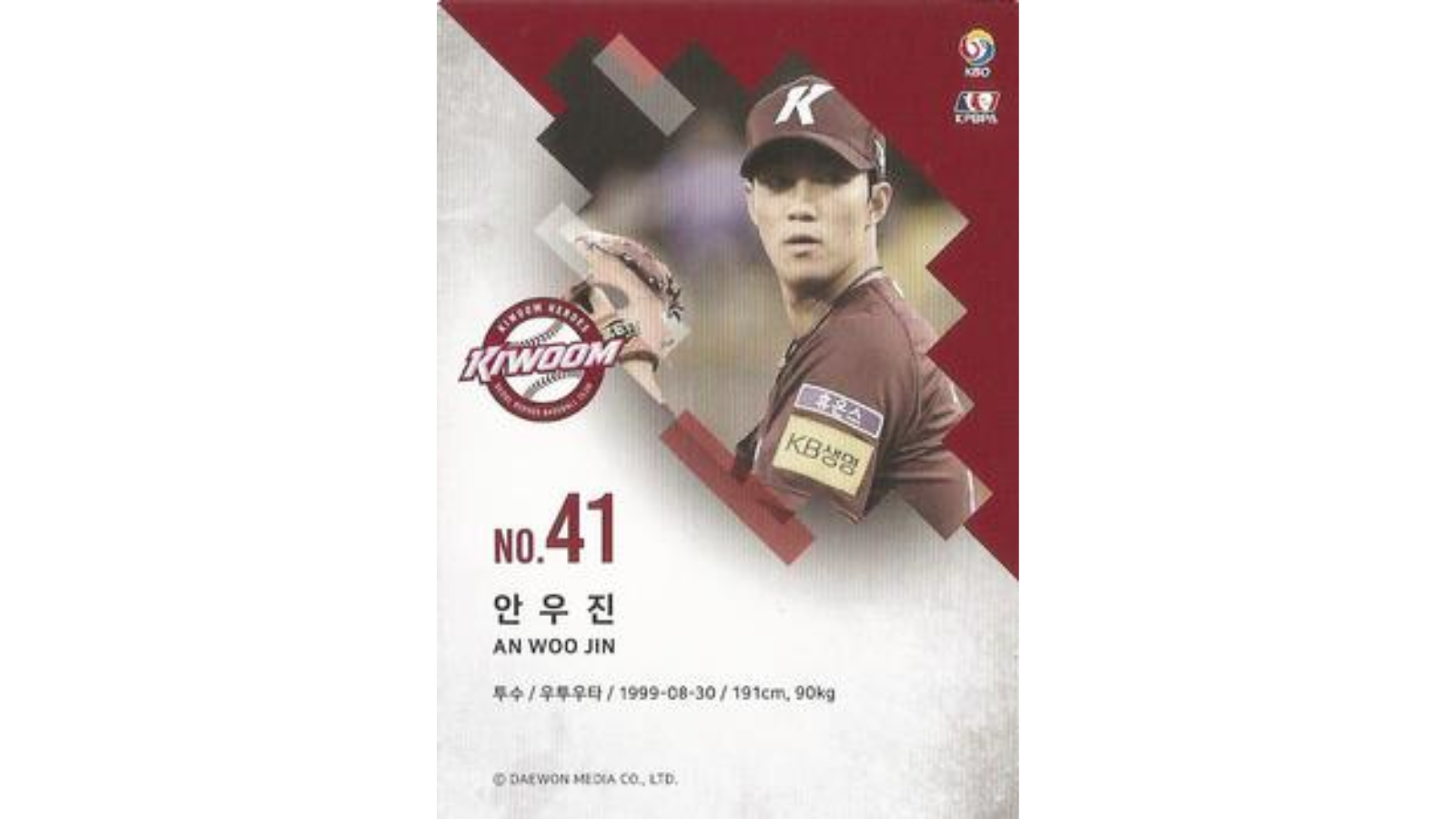
    However, one KBO pitcher is breaking that mold by becoming a homegrown Korean power arm. Woo-jin An of the Kiwoom Heroes is the KBO’s version of Jacob deGrom, a flamethrower who also has a feel for pitching, and whose starts are must-see events (though we’re not saying they are comparable skills-wise).

    If we were going to compare him to a current MLB pitcher, we’d say he somewhat resembles the good version of Rockies pitcher Germán Márquez in that they throw fastballs at similar velocities and throw a hard breaking ball.

    An will likely become eligible to be posted after the 2024 season, but he’s worth taking a closer look at now, during the KBO All-Star Break. He currently has a 2.02 ERA and an 0.96 WHIP, and is averaging 10.1 strikeouts per 9 innings.

    An has the build of a traditional starter, though he is a bit lean, listed at 6’4” and 202 lbs. At 22 years old, he could add some muscle to his frame if desired.

    His bread-and-butter are his fastball and slider. And he throws both hard, relative to the rest of the league.

    While he uses these pitches frequently, he has incorporated his other pitches (a curveball and changeup) more frequently over the last few years. He threw the fastball and slider a combined 83% of the time in 2020 when pitching out of the bullpen, but is down to 73% so far this year.

    Woo-jin An 2022 Pitch Usage
    Pitch Type Avg. Velocity (MPH) Pitch Usage
    Fastball 95 45%
    Slider 89<< 28%
    Curveball 81 18%
    Changeup 84 9%

    >> Average slider velocity is same as KBO average fastball velocity

     While his fastball averages 95, An will take some velocity off it in obvious bunt situations to save his arm and get the free out, similar to what Zack Greinke will do in similar situations. When throwing at max effort, An’s fastball will sit around 95-97 MPH, with the ability to touch triple digits. He throws the hardest fastball in the KBO, as LG Twins closer Woo-suk Go is the only other pitcher who averages 95 MPH.

    An’s slider is a great weapon, as its average velocity of 89 MPH is right around the league average fastball velocity. Since he throws it so hard, it usually does not get a lot of downward break, and can look more like a cutter at times. Despite that, he does not use it to try to jam left handed hitters, but when he throws it to lefties he usually tries to use it more as a backfoot slider.

    He uses the slider vs right handers about as often as he uses his fastball. It’s his go-to strikeout pitch. Right-handed hitters as a whole are whiffing on 44% of their swings vs his slider. In MLB, that miss rate by right-handed hitters would rank in the 83rd percentile for pitchers this season (we’re not saying he’d duplicate that for MLB, just pointing out how impressive it would be).

    In the last couple of years An has made an effort to improve his curveball and changeup, and those are showing encouraging results. His curveball has a good, downward action  and, like his fastball, he can vary speeds on it. He has a slower version that he can throw around 75 MPH to try to steal a strike early in an at-bat, but he also can reach back for a harder mid 80s breaker when looking for a strikeout.

    Having a strong fastball/slider combo at high velocity helps make his curveball more effective. Batters are hitting only .119 vs the curveball this season, and are whiffing on 34% of their swings. An MLB pitcher with that opponents’ batting average against the pitch would rank among the 10 lowest. 

    An’s changeup has been a work in progress, but that work is paying off this year. He has already thrown more changeups this season than he did in the previous two seasons combined, and is his best swing and miss pitch, with hitters whiffing on 47% of swings. In MLB, a pitcher with a similar rate is Devin Williams of the Brewers, who has one of the best changeups in the game.

    His changeup does not feature a lot of drop, but it will show good fade sometimes. The key to his changeup’s success is how slow he can throw it. He averages an 11-MPH velocity differential between his fastball and changeup, and with hitters gearing up to hit high velocity they end up way out in front when he throws a changeup.

    An uses the changeup almost exclusively to left handed hitters, as he has only thrown 9 changeups to right handed hitters this season. 17% of his pitches to lefties have been changeups, with the usage jumping to 30% with two strikes. He has struck out 21 left handed hitters with the changeup so far, which is more than the 13 total changeups he threw in the 2020 season.

    An looks like a future major league pitcher, and at 22 years old he is still fine-tuning his craft. If you had to drop a current KBO pitcher into a MLB rotation today, the best options would be Kwang-hyun Kim (who spent the last two seasons in St. Louis) or An.  

    His MLB prospects also look encouraging as his team has had a tendency to allow their players to be posted. Players such as Ha-seong Kim, Byung-ho Park, and Jung-ho Kang were all Heroes before being posted. Hopefully we’ll get to see him down the road.

  • Stat of the Week: World’s No. 1 Starting Pitcher Rankings

    Stat of the Week: World’s No. 1 Starting Pitcher Rankings

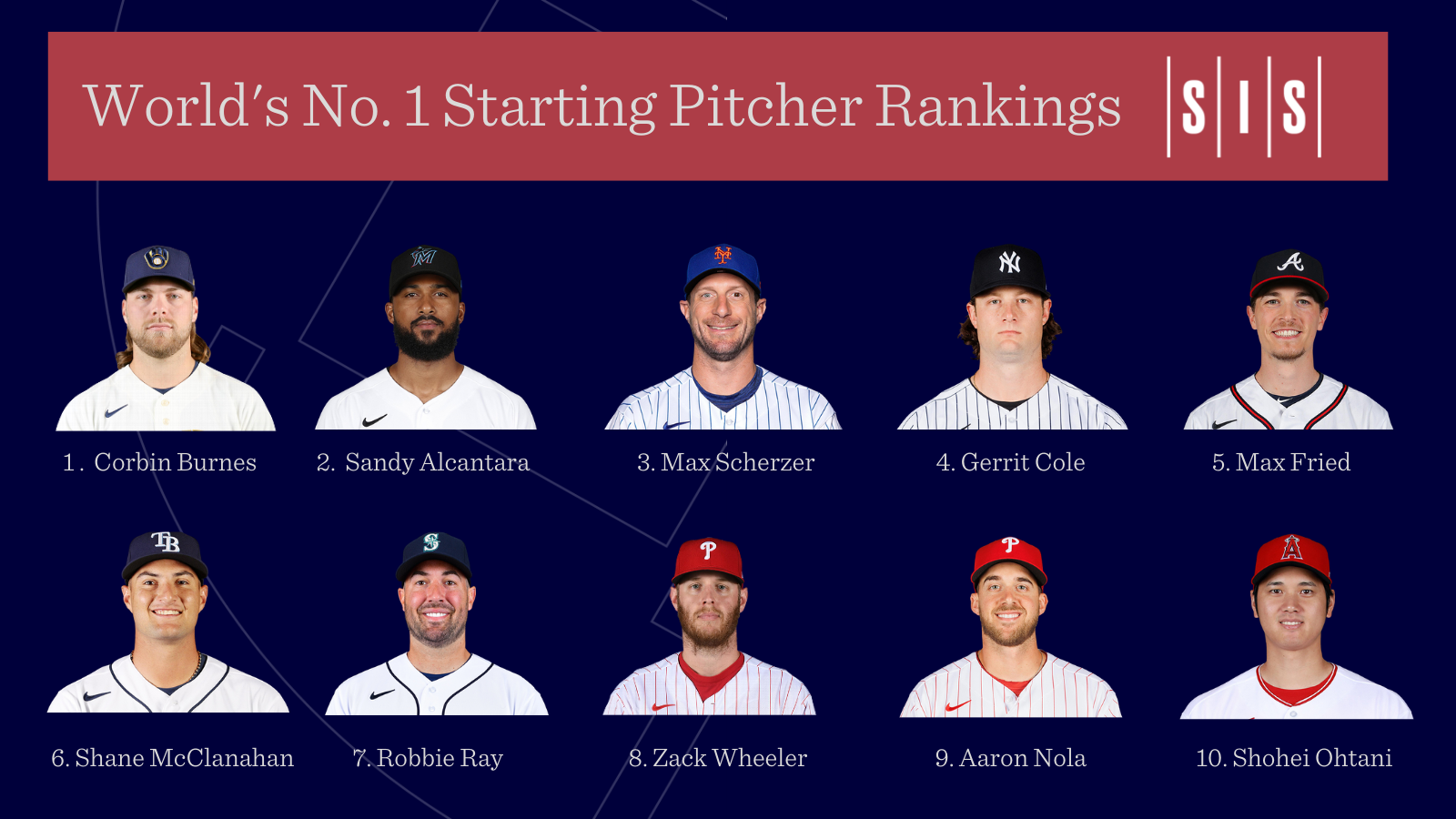
    Last night, Corbin Burnes threw 7 1/3 innings against the Giants, allowing two runs on four hits, striking out 10.

    In doing so, Burnes took over the No. 1 spot in Bill James’ World’s No. 1 Starting Pitcher Rankings.

    Burnes, the NL’s reigning Cy Young winner, has a better ERA in 2022 (2.14) than he did in 2021 (2.43), even though his peripherals are not as good (his K per 9 are down, and both his BB per 9 and HR per 9 are up). His 95 MPH cutter is one of MLB’s top run-saving pitches for the second straight season.

    You can find the current rankings for World’s No. 1 Starting Pitcher and an explanation of the methodology at Bill’s website.

    The system utilizes the Game Score stat that Bill devised in the mid 1980s and rewards consistent excellence over an extended time. It uses multiple years of pitching performance to evaluate pitchers, which explains why some pitchers having great 2022s, like Shane McClanahan of the Rays, don’t rank No. 1.

    The No. 2 pitcher, Sandy Alcantara of the Marlins, will try to re-take the lead from Burnes and hold off No. 3 pitcher, Max Scherzer of the Mets, when he pitches tonight against the Phillies.

    Alcantara leads the majors in Baseball-Reference’s Wins Above Replacement (5.0) and innings pitched (130 1/3), and he ranks second in ERA (1.73). Yet, among pitchers with at least 60 innings pitched, Alcantara ranks 59th in strikeout percentage and 52nd in percentage of swings that missed (23% – Burnes leads in this stat, 36%).

    Though Alcantara throws a fastball and changeup with average velocities of nearly 98 and 92 MPH, respectively, these are not high-end swing-and-miss pitches. He throws his 4-seamer, sinker, changeup, and slider all at similar rates, keeping hitters guessing at what will come next. His success is more about unimpressive contact than missed swings.

    Alcantara has allowed the lowest line drive rate in MLB (14%) and has the 5th-highest ground ball rate (57%). He ranks 8th in MLB’s barrel per PA, which measures how often a hitter records an optimal combination of exit velocity and launch angle. Coincidentally, his rate (3.2%) is the same as Burnes’.

    Alcantara brings two streaks into his final start before the All-Star Break – 19 straight scoreless innings and 12 consecutive starts of at least 7 innings pitched, during which his ERA is 1.24. If he continues those runs tonight, he’ll almost surely be the World’s No. 1 Pitcher heading into the All-Star Break.

  • 2022 MLB Draft Scouting Report: Brooks Lee

    2022 MLB Draft Scouting Report: Brooks Lee

    Part of a series of scouting reports on intriguing players in the 2022 MLB Draft. To read all the reports (including reports from past years), click here.

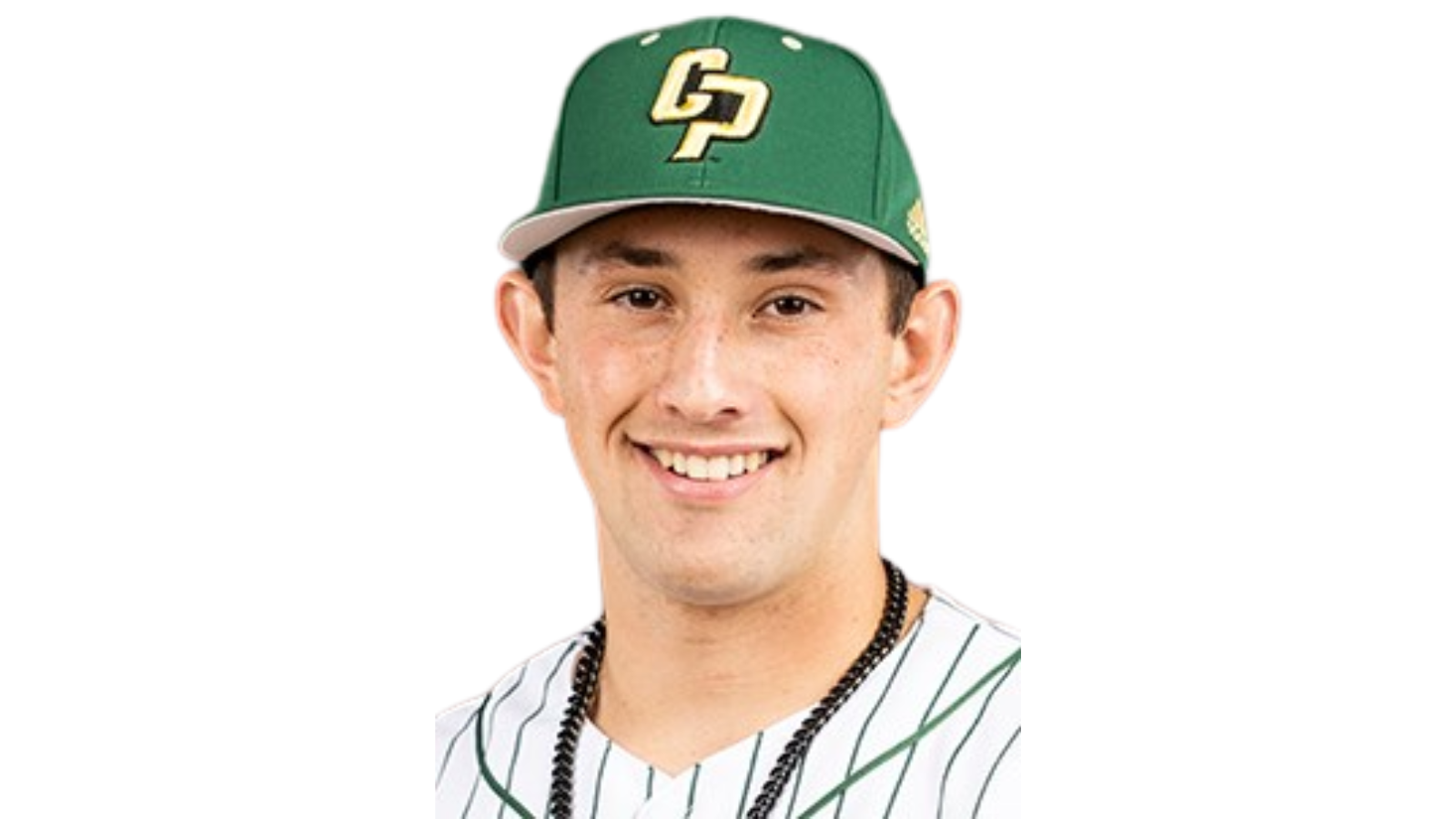
    College Cal Poly Sophomore
    Bio B/R 6-2, 205 lbs.
    Date of Birth 02/14/2001
    Hit 60(65)
    Power 50(55)
    Run 45(50)
    Field 45(55)
    Arm 55(60)
    Future Value 60

    Draft Projection: Top-3 pick. Wouldn’t be surprised if he goes No. 1

    Written By Dominick Ricotta

    Analysis

    In a draft with not many intriguing college bats, Brooks Lee stands out above everyone else. Lee, a switch hitter, has incredible bat-to-ball skills from both sides of the plate. He hits for average, has shown power from both sides, and is super difficult to strike out. His eye and ability to recognize pitches so well stands out immediately when watching him. Lee is smooth in the box, has quick hands through the zone, and doesn’t try to do too much. He lets his size and strength add power.  

    College Career

    Coming out of high school Lee was a highly-rated prospect, but instead of entering the draft, Lee went to play for his father, Larry, at Cal Poly. His freshman year Lee had a near career-ending surgery on his hamstring. The surgery didn’t seem to affect him once he came back healthy in 2021.

    In his first real season in college, Lee put up some big numbers.

    .342 BA, 48 R, 10 HR, 51 RBI, 34 SO, 18 BB in 222 AB

    2022 was even better, especially in his strikeout/walk totals

    .357 BA, 56 R, 15 HR, 55 RBI, 28 SO, 46 BB in 235 AB.

    Lee also played in the Cape Cod League during the summer of 2021. He continued to put up some great numbers, even against the best players in college baseball:

    .405 BA, 16 R, 6 HR, 13 RBI, 16 SO in 84 AB

     Scouting Report

    Lee is incredibly quiet in the box. There isn’t much movement in his swing and he doesn’t swing out of his shoes. He trusts his hands to reach any quadrant of the zone and can get the barrel to any pitch. His size combined with the ability to consistently barrel the ball leads to frequently hard-hit balls. 

    His stances from the left and right side are basically identical. He stands mostly straight up and doesn’t take much of a stride. There isn’t much movement in his hands. When his foot gets down, his hands reach the peak load-up and then explode through the zone. Lee keeps his front shoulder tucked for as long as possible, sometimes showing his whole number to the CF camera. 

    His timing and balance are just part of the reason why he has elite bat-to-ball skills. Lee does a fantastic job of getting into his legs on the load-up, then transferring the energy forward as he swings. His lower half and upper half stay connected which gives him his power to all fields. 

    His swing is super-short, smooth, and direct to the ball. He stays level through the zone and manipulates the barrel superbly. Lee doesn’t seem like he is trying to hit fly balls but instead just wants to get the ball in play and trust he can hit it hard. 

    In 2022 Lee struck out only 28 times in 235 AB, an incredible rate. Even more impressive, he struck out only once in his first 14 games of the season. He’s a patient hitter and waits for his pitch to drive. Lee does a great job of recognizing pitches early out of the pitcher’s hand. Even on his takes he shows how good his balance is. 

    Even though Lee is a patient hitter, he loves attacking the first pitch. It’s clear Lee goes up to the plate with a plan and knows how to execute what he wants to do. If a pitcher tries to steal a first- pitch strike with a breaking ball or offspeed pitch he’ll be ready to drive it.

    There aren’t many pitches Lee can’t cover. His level swing from both sides helps him reach the high fastballs and stay on top of them. While his pitch recognition and bat-to-ball skills helps him stay back and hit those breaking balls and offspeed pitches. He uses every part of the field from both sides of the plate and has shown pop to all fields. 

    Lee hit more homeruns from the left side totaling 11 as a lefty and 4 as a righty in 2022. It definitely seems like there is more pop in his bat as a lefty but his approach doesn’t change. As he continues to develop and get stronger, the power will definitely continue to improve. He probably will never put up huge home run numbers but that isn’t the type of hitter he is.

    Defense

    Defensively Lee has great hands and an above average arm. Due to his size his range isn’t amazing which is why he will most likely move to 3rd base. He is athletic so moving around the diamond would not affect him and his arm will make third base an easy transition. His throws are accurate and his arm is a cannon – not many throws ended up short of 1b. Even if he had to throw from awkward arm angles, the throws were consistently good.

    The only time he seemed to have issues in the field was when he would lose his release point. At times, especially routine plays, he would throw more sidearm than his usual over-the- top release. These throws would tail and not have the usual carry and accuracy to them. But more times than not his throws were spot-on and his arm certainly isn’t an issue.

    Makeup

    One thing that separates Lee even more is his high baseball IQ and his low heartbeat on the field. He’s one of those players that the game seems to be going slower for. He never seems rushed and always stays within himself. It definitely helps coming from a baseball family. His father, Larry Lee, has been coaching Cal Poly for 20 seasons. He also had two uncles drafted into the Giants organization. 

    Summation

    Lee has all the tools to be a top draft pick. His elite bat-to-ball skills and eye are the top tools in his bag. Those are skills that are difficult to teach. Lee is highly advanced in those areas, which will make his journey through the minors fairly short. His power will continue to increase and make him an even tougher hitter to face. He gives teams a coach on the field and would be a great addition for any locker room. 

    Projection

    He’s an everyday player and the perfect No. 2 hitter, who will most likely play third base, but could stick at shortstop or even play second base.

    Ceiling: Eduardo Escobar in batting stance; Corey Seager in approach and body type

    Floor: Johan Camargo


  • 2022 MLB Draft Scouting Report: Chase DeLauter

    2022 MLB Draft Scouting Report: Chase DeLauter

    Part of a series of scouting reports on intriguing players in the 2022 MLB Draft. To read all the reports (including reports from past years), click here.

    Chase DeLauter, OF

    College James Madison University (RS SO. 2022)
    Bio L/L 6-5, 235 lbs.
    Date of Birth 10/08/2001
    Hit 45(55)
    Power 50(60)
    Run 55(55)
    Arm 50(50)
    Field 45(50)
    Future Value 55

    Draft Expectation: 1st Round

    Written by Brandon Tew

    Analysis:

    DeLauter burst onto the scene after a dominant Cape Cod League performance in the summer of 2021. He produced one of the best stat lines on the Cape when he hit .298/.397/.589 with 9 home runs, and 21 walks to 18 strikeouts with Orleans. The big left-handed hitter mashed the baseball with big exit velocities, with the wooden bat rocketing him up draft boards before this spring.

    College Career:

    After two very good college seasons with James Madison and his breakout performance on the Cape, DeLauter was putting together the best stretch of his career. In 2022, he hit .437/.576/.828 in 24 games before breaking his foot, while sliding into second base for a double, ending his Dukes career.

    DeLauter committed to James Madison as a pitcher before a growth spurt in his junior year of high school pushed him to 6-foot-5. The lefty would end up trying his hand as a two-way player but excelled as a hitter who has all the physical tools and potential.

    Batting Stance:

    DeLauter has a unique batting stance and finish to his swing, but his setup is smooth and balanced. Starting shoulder width apart, he gets great separation from his hands that don’t trigger until his right heel touches down. His head drops slightly during extension but he’s quiet throughout his swing.

    He’s able to be creative with his barrel and swing path at times, even when fooled by pitches. The manipulation of his hands and backside help him stay on pitches longer.

     On the pitch below he gets a 3-2 changeup and is able to stay back and rope the pitch for a single. 

    via GIPHY

    DeLauter has had his struggle with high fastballs at times. Early in 2022, especially in the first series of the year against FSU, he was beaten by high velocity by both of Florida State’s left-handed starters.

    via GIPHY

    He did not look as comfortable timing-wise, but on the Cape when his timing was brilliant he showed no issues. The consistency in plate performance against high velocities will be key for him.

    His scissor kick finish and all the movement at the end of his swing means  Delauter’s timing needs to be synced up with his top and bottom half. When he does this he can hit the ball hard from foul pole to foul pole. 

    via GIPHY

    There’s a lot of movement, but he optimizes the power he can inflict on the baseball by having his entire body moving forward up the box with momentum. He uses the entirety of the batter’s box to attack the baseball and hit hard line drives.

    Approach:

    DeLauter has described his approach as trying to hit the ball to center for a home run every single swing. The thought process of producing damage on every swing is there, and whenever he gets into a hitter’s count, he’s trying to hit the ball as hard as he can.

    His power is noticeable with a big physical frame, and he is a presence in the batter’s box with the ability to hit for average and hit the ball hard as well. DeLauter’s ceiling as a pro will ultimately be determined by his returns as a hitter.

    via GIPHY

    With more walks than strikeouts (62 to 45) during his 66-game college career DeLauter has the plate discipline to work himself into hitter’s counts. While Delauter is susceptible to the breaking ball away due to his swing path, he’s still able to lay off pitches away from him forcing the pitcher over the plate.

    Defense: 

    DeLauter played an average-to-abov-average center field at JMU and as a bigger CF was able to cover the ground needed with long strides. He projects more as a corner outfielder in pro ball and has an accurate and strong enough arm to play right field. 

    He gets decent jumps on balls going back towards the wall but, like most, is more comfortable coming in than going back, which should help him if he moves to a corner. With his high athleticism, he runs well and a team might let him play CF as long as he can before making the transition.

    via GIPHY

    Projection:

    A big strong left-handed power hitter with plus power as a tall physical outfielder. Has the ability to hit for average while producing a lot of damage in the middle of an MLB lineup.

    Ceiling: Christian Yelich

    Floor: Gregory Polanco


  • 2022 MLB Draft Scouting Report: Blade Tidwell

    2022 MLB Draft Scouting Report: Blade Tidwell

    Part of a series of scouting reports on intriguing players in the 2022 MLB Draft. To read all the reports (including reports from past years), click here.

    Blade Tidwell, RHP

    College University of Tennessee (RS SO. 2022)
    Bio R/R 6-4, 207 lbs.
    Date of Birth 06/08/2001
    Fastball 55(60)
    Slider 50(60)
    Curveball 40(45)
    Changeup 40(50)
    Control 45(50)
    Future Value 50

    Draft Expectation: 1st round or Compensatory round

    Written by Brandon Tew

    Analysis:

    Blade Tidwell had an abbreviated 2022 season coming back from shoulder soreness. Tennessee, with the best pitching staff in the country, worked him back slowly. 

    However, Tidwell started to peak towards the end of the season and showed his potential as a promising right-hander with a potential plus fastball-and-slider combo.

    College Career:

    Tidwell began his career in Knoxville as the Sunday starter in 2021 and posted a 3.74 ERA with 90 strikeouts in 98 ⅔ innings pitched in 18 starts. He reached double-digit wins with a 10-3 record, the second most wins by a Freshman in Vols history behind R.A. Dickey

    Pitching well in an abbreviated 2022 season, Tidwell finished with a 3.00 ERA in 9 starts and 13 appearances, striking out 51 in 39 innings pitched. With two really good college seasons, Tidwell has set himself up as a potential 1st rounder in this year’s draft.

    Pitch Delivery

    Tidwell has a simple windup and repeats the delivery well. With a tiny step to his left, he pivots on his back leg and brings his knee up past his belt tucking his foot behind his back leg. He then glides forward after a small gather as he straightens his front leg out for landing.

    Releasing the ball from a high ¾ arm slot, he comes from over the top with minimal effort. This creates a downhill plane with his pitches, especially his fastball low in the zone.

    Pitch Profiles

    The fastball jumps off of Tidwell’s hand as he lights up the radar gun constantly. He sits about 93-95 but can work at 97-98 often and has touched 99 mph at times. 

    via GIPHY


    His fastball is electric at the top of the zone and he’s able to create backspin and ride towards the plate, making it a menace to hit. In the winter of 2021, after a stint with the Collegiate National Team, Tidwell worked to improve his fastball’s vertical break to get more whiffs on the pitch.

    Tidwell has a blow-it-by-them mentality with his fastball and when the shape is on and the fastball has good backspin, it explodes by hitters. The confidence in the pitch is really high and he goes full-throttle at hitters all game with his fastball and slider.

    The command of his fastball is iffy at times as he sometimes misses with the pitch high and arm side.

    While his fastball is plus, his best pitch is the slider. At its best, the slider can bend underneath barrels or sweep out of the zone. Tidwell has a really good feel for the pitch and manipulates it for a strike or as a chase pitch.

    Here’s a look at the two variations of the slider:

    via GIPHY

    via GIPHY

    The first slider possesses more tilt and sweep to it and zooms out of the zone away from right-handed batters. The second breaks less and is tighter starting in the same tunnel as his high fastball before dipping under the swing.

    The two different shapes lead to a pitch that can be dominant when paired with his fastball. Tidwell could provide more value as a two-pitch reliever. He flashed potential as a closer or high-leverage setup man in MLB.

    Whether Tidwell develops his curveball and changeup will be important in his growth as a potential starter candidate. He will get a chance to start with two plus pitches and a potential 50-grade changeup and curve.

    The changeup sinks and has enough separation in velocity to get swings and misses. He does have a tendency to leave the pitch up but can induce weak contact choppers and grounders as batters try to cheat to his fastball.

    via GIPHY

    Getting hitters out on the front foot helps the effectiveness of his changeup. Tidwell will need to improve his arm speed on the pitch and match it to his fastball he will also need consistency with its location down in the zone.

    His curve is a work in progress and much like the changeup, he leaves it up in the zone too much. Tidwell uses it as a change-of-speed pitch and a strike stealer early in the count. He does get some swings and misses on it.

    via GIPHY

    Tidwell cut his curveball usage drastically in favor of more sliders and the formula worked his sophomore season. In pro ball, just giving hitters the thought that he might drop in a curve with a nice break will go a long way. He does have a higher upside than most college pitchers in this draft class and that’s because of the potential of his changeup and curve.

    Projection:

    Tidwell has all the makings of a big, athletic righty in the majors. He could be a starter, but may see himself turned into a high-leverage setup man or closer with his plus slider and fastball. How MLB teams use him will depend on the improvements in command and his changeup or curveball will determine 

    Ceiling: Mike Foltynewicz

    Floor: Dinelson Lamet

    Draft Expectation: 1st Round – Compenatory Round