Author: Brandon Tew

  • NPB Dominance Deep Dive: Nao Higashihama & Shota Imanaga

    NPB Dominance Deep Dive: Nao Higashihama & Shota Imanaga

    This is the third in our series of articles scouting NPB pitchers through the lens of their best work – the no-hitters they’ve thrown this season. Previous articles looked at those thrown by Roki Sasaki and Yoshinobu Yamamoto. In this piece, we’ll look at the two others.

    Higashihama’s No-Hitter

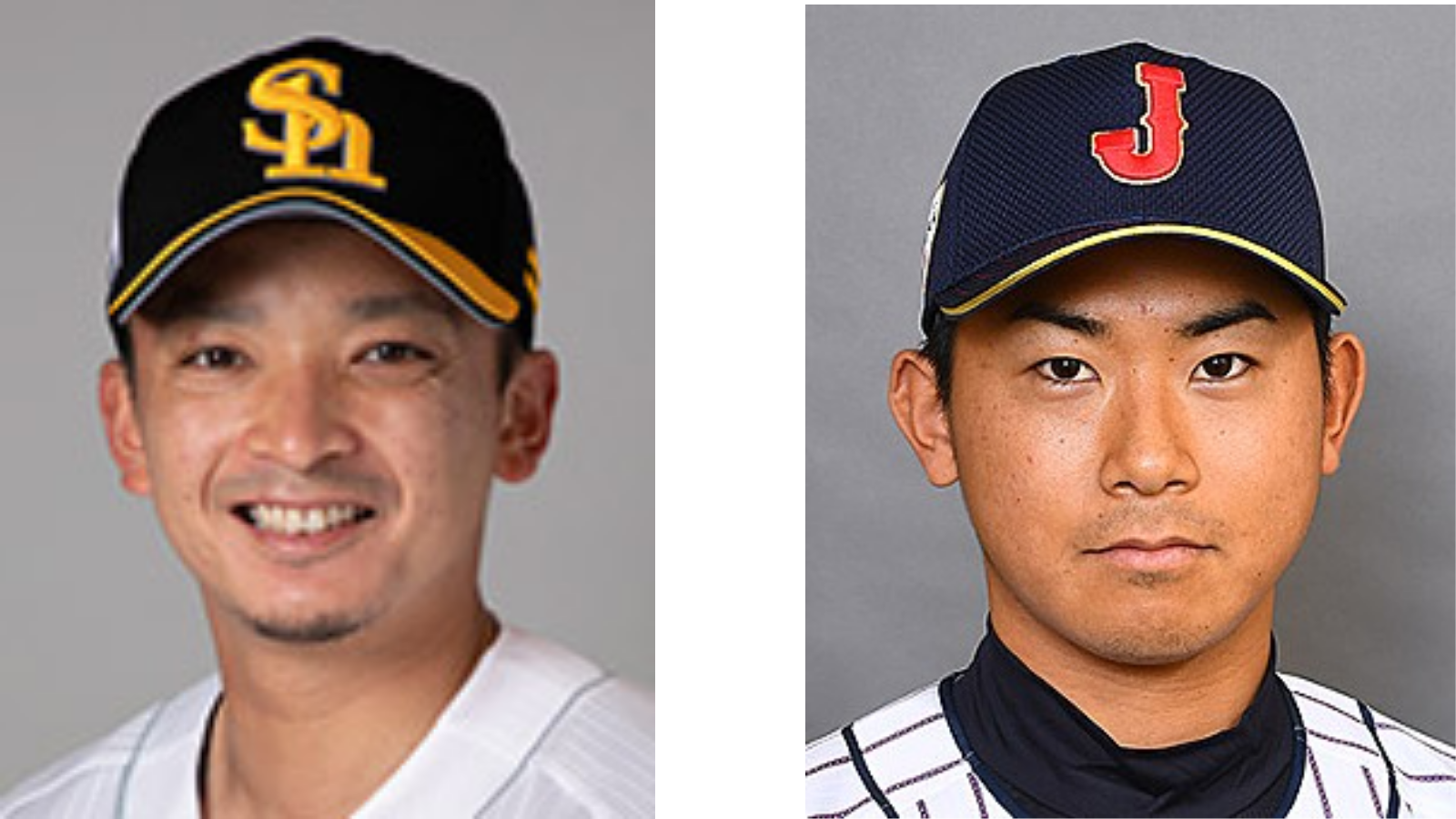
    Nao Higashihama, a 31-year-old veteran of the SoftBank Hawks, threw his first career no-hitter on May 11 against the Seibu Lions.

    Higashihama has a 2.30 ERA this season  and 0.88 WHIPdespite averaging only 5.7 K per 9 (down from his career average of 7.6).

    The veteran righty peppered the strike zone with 64 strikes on 97 pitches. His path to success was in working the outer edges and staying out of the middle of the plate.

    Higashihama’s fastball was around 92 mph and he does a good job of hiding the baseball behind his right leg to get a little more deception. He typically works away from right-handed batters and this outing was no exception as he threw 26 sliders and 19 fastballs to them in this start.

    The slider is meant to work down in the zone and tunnel with his fastball to get righties out. The ball has a good tight spin out of his hand and he throws the pitch in and around the zone with the intent of creating weak contact, rather than swings and misses. The slider, at an average of 87 mph, has sharp bite and creates a lot of ground balls when tossed down and away from righties.

    The difference between Roki Sasaki and Higashihama is the willingness to throw certain pitches. Higashihama primarily stayed fastball and slider to right-handed batters throwing only nine splitters as a show-me pitch at around 89 mph to right-handed batters, keeping them honest.

    His approach to lefties is a different story, Higashihama pounded a weak spot in the zone to lefties on the outer part of the plate as he showed the two lefties in Seibu’s lineup fastball in, and then out, followed by the splitter as his out pitch.

    What’s really impressive is that with two strikes on a hitter, Higashihama mixed all three of these pitches incredibly well.

    He threw 9 fastballs, 9 splitters and 7 sliders in two-strike counts in this game. With only 6 strikeouts and 16 whiffs total, Higashihama repeatedly induced weak-contact grounders.

    Compare this with the hard-throwing Sasaki who had 22 whiffs and 19 strikeouts total, with 20 whiffs on his splitter and just two on his fastball. Sasaki at times lived in the middle of the zone throwing a lot of strikes and getting many foul balls or takes with his fastball. Sasaki relentlessly attacked hitters with first-pitch fastballs, throwing 21 of them out of his 27 hitters faced, a 71% strike rate (15-of-21).

    Higashihama mixes up his first pitch usage with 10 fastballs, 6 split-fingers, and 10 sliders. He also had a high strike rate with his fastball, 72%, as he painted corners on batters.

    Higashihama with his balanced pitch selection ended up collecting 14 ground ball outs in the game out of the 19 balls in play, and didn’t allow a hard-hit ball in the entire game. The pitchability of Higashihama was on full display as he even worked in a slow 72 mph curveball late in the game for a strike during the 3rd at-bat of the 6th inning, It was an effective wrinkle the second time through the order.

    Higashihama kept hitters off-balance in a completely different way than Sasaki but both relied on a good number of fastballs to set up hitters. This is universally thought of as one of the better ways to approach hitters: establish the fastball early for a strike, which opens different avenues for your secondary pitches to get batters out.

    And though we’re all about evaluating pitching here, we need to remember to give props to his defense.


    Shota Imanaga’s No-Hitter

    Shota Imanaga of the Yokahama Baystars had the most unique game plan for his no-hitter on June 7 against the Nippon-Ham Fighters. The 28-year-old lefty sprayed the ball all over the zone, throwing 77 strikes on 117 pitches.

    Imanaga has a 2.75 ERA and 0.92 WHIP this season. He’s much more of a strikeout pitcher than Higashihama, averaging 9.2 per 9 innings.

    When he did miss his intended target, he usually put the pitch in a good spot for a miss. If he wanted to go down and away from a right-handed batter with a fastball, he might miss up in the zone with it, but still on the outer part of the plate.

    The fearlessness the lefty displayed was evident as he constantly tried to change eye levels with high fastballs up-and-in, followed by soft stuff down. In contrast, Higashihama and Sasaki were more horizontal in their approaches, working the bottom third of the zone in and out.

    The difference in first-pitch usage was also drastic. Imanaga, unlike the other two, threw the kitchen sink at the plate, with 13 fastballs, 7 splitters, 5 cutters, and 3 curveballs thrown on the first pitch of at-bats.

    Imanaga loved the use of his cutter/slider hybrid to keep hitters off the barrel. He throws the pitch with his hand more behind the ball, which looks more like a cutter with just a tiny bit of cut. However, he threw the cutter-type pitch in slider situations, down and glove side in the zone.

    The grip above creates just a little cut to the ball and that’s what Imanaga is looking for as he throws it primarily glove side.

    Imanaga wasn’t looking for the harder or more horizontal sweep of a slider. Imanaga threw 23 fastballs and 23 cutters vs left-handed batters, tunneling that pitch away very well in this game, and mixing and matching speeds.

    Against right-handed batters he threw more splitters, 27 of them, almost all down and arm-side away. Both the split and cutter were used similarly to Higashihama with the idea of weak contact more than strikeouts.

    Imanaga sprinkled in the curveball, which was actually hit hard at times, including a screaming line drive in the 6th that he snared to preserve his no-no, a great defensive play with a little luck as well.

    During Imanaga’s no-hitter, he allowed four hard-hit balls.

    Overall, Imanaga got a good number of swings and misses, with 20 of them, compared to Sasaki’s 23, Yamamoto’s 21 and Higashihama’s 16. He also had 7 strikeouts with his fastball, 4 looking and 3 swinging, the most of all three pitchers.

    Imanaga was effectively wild in and out of the zone with his misses. He added two more strikeouts with the cutter, blending a little bit of what Sasaki and Higashihama did well in both of their starts into his one: a good fastball and a good cutter/slider with a good amount of splitters to right-handed batters.

    Japanese baseball lends a different perspective into the game and this season so far has provided no shortage of dominant pitching performances to watch. Higashihama and Imanaga’s no-hitters looked different from Yamamoto’s and Sasaki’s. It’s cool to see how different pitchers dominate and we’ll keep looking out for more NPB excellence the rest of the season.

  • Dominance Deep Dive: Yoshinobu Yamamoto’s no-hitter

    Dominance Deep Dive: Yoshinobu Yamamoto’s no-hitter

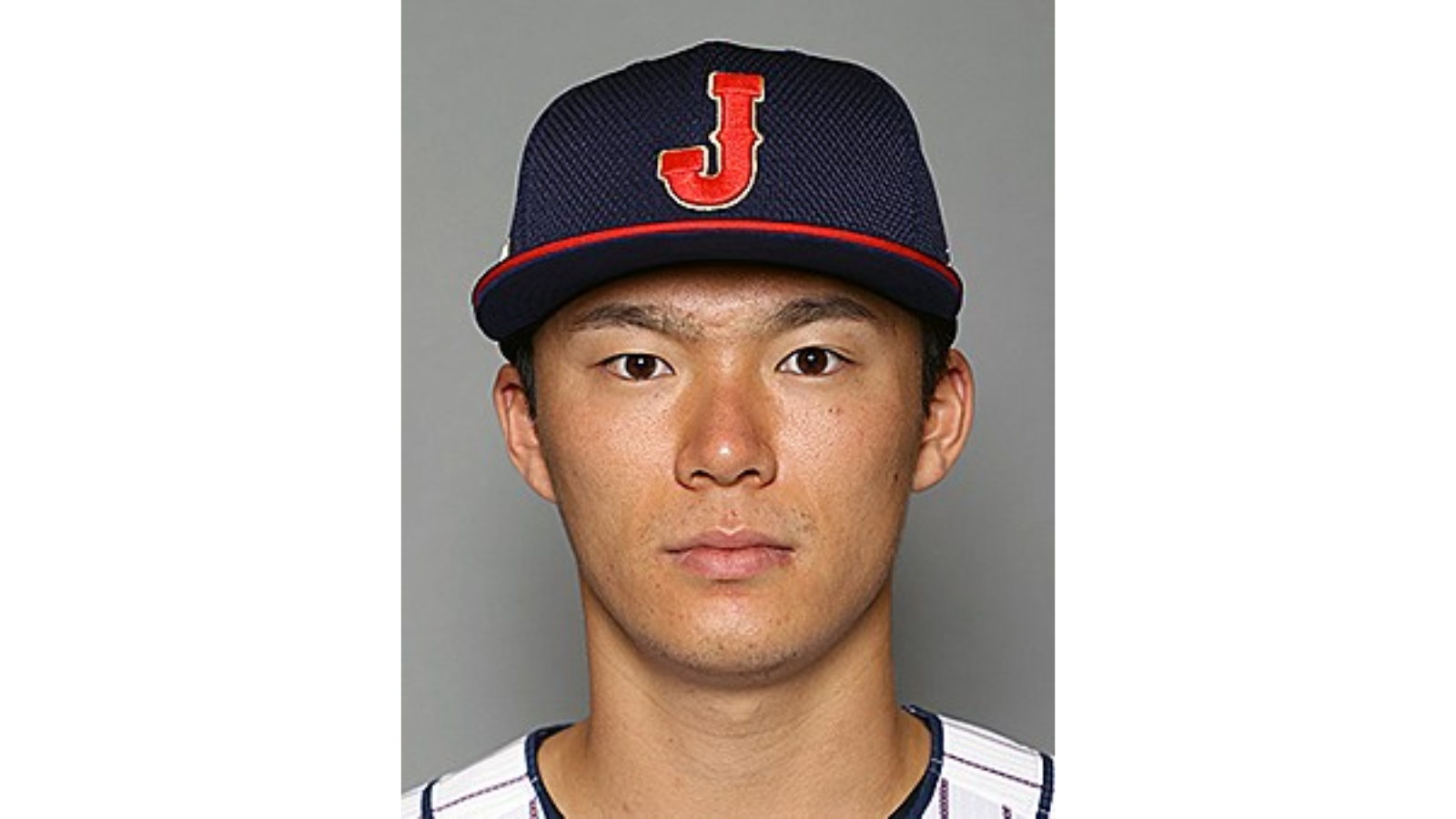
    We previously wrote about Roki Sasaki’s perfect game with the promise of more articles to come on great pitching in NPB. So now let’s examine the June 18 no-hitter for one of Japan’s brightest young stars, Yoshinobu Yamamoto of the Orix Buffaloes.

    The 23-year-old Yamamoto dominated the Seibu Lions lineup, the first team to be held hitless twice in a season since 1971 when the Nishitetsu Lions did the same.

    Yamamoto has been brilliant during his young career, sporting a 1.83 ERA in 699  innings pitched since he debuted in 2017. He also won the Sawamura Award (Japan’s Cy Young) last season as NPB’s top pitcher.

    What he’s got

    He combines excellent stuff and great command, attacking the strike zone with a refined and electric pitch mix, and a ruthless attitude as well.

    His mindset is pouring in strikes with a hard 94-mph fastball; and in his no-hit game he achieved a 71-percent strike rate on 45 fastballs.

    His four-seamer carries well through the zone and stays on plane all the way to the mitt. This causes hitters to swing consistently underneath the pitch when high in the zone. His fastball created eight swings and misses and six strikeouts (three looking and three swinging).

    His incredible command of the pitch is very noticeable as he exhibits precision hitting the catcher’s glove constantly. It wasn’t until the bottom of the fifth that Yamamoto allowed his only baserunner, a walk on four pitches.

    Besides this one hiccup, he was dialed in, throwing the fastball to all four quadrants of the zone. In the 9th, he threw his hardest pitch at 96.3 mph, dotting the outside corner for a strike – upping velocity without sacrificing command.

    He got 26 strikes on 34 splitters, generating 10 swings and misses on the pitch. These whiffs were set up by throwing the fastball down in the zone, at the knees.

    His splitter shows excellent fading action, moving down and arm side with a lot of movement. It netted 5 ground ball outs and 2 swinging strikeouts, because batters couldn’t lift the pitch in the air.

    Yamamoto also manipulates the shape of the splitter at times, as it resembles a sinker at around 92 mph. The pitch on average hits 90 mph, four off his average fastball.

    If the batter lets the harder sinker-type split go, it might catch the bottom of the zone similar to his low four-seamer. If you swing, you may look foolish as the late-fading splitter vanishes.

    Grip pressure is key to what variation he throws. Yamamoto puts pressure on his pointer finger on the back half of the baseball seam and then pronates it by turning his arm over. When he pronates less, his grip causes the baseball to sink, and when he turns his arm over, he creates more fade to the pitch.

    When Yamamoto throws high fastballs in the zone, he creates a beautiful pairing with his unique curveball. He uses a Ginoza grip, turning his wrist over and showing the back side of his hand to the batter.

    Then, he pushes or flicks the baseball, causing the pitch to tumble towards the plate with amazing 12-6 action off his finger. The breaking pitch falls out of the sky as it comes towards the plate with impressive sharpness.

    Along with fantastic sharpness, Yamamoto throws this curveball at a higher velocity than most, averaging around 77 mph. He can even get this pitch into the low 80s at times, whereas most curveballs with this grip usually are thrown in the low 70s.

    Still, he primarily throws fastballs and splitters, throwing only 16 curveballs during this game. He mixes in the curveball, not only as a change-of-speed pitch but to keep hitters off of his high fastball.

    He went to his fastball more with two strikes, throwing 17, compared to eight splitters and six curveballs, with his one and only slider thrown with two strikes in the 7th as well.

    He showed a balanced first-pitch usage with 10 fastballs, 13 splitters, two curveballs, and one cutter. He attacks both right-handed and left-handed batters with fastballs, splitters, and curves in the same locations.

    And when you add in a cutter at around 90 mph glove side (5 of 6 thrown for strikes), he creates another way to keep hitters from timing up and barreling his fastball. Hitters must respect the mix of his pitches.

    A willingness to throw any of his three primary pitches at any time causes hitters fits. Yamamoto’s combination of stuff and command is truly fun to watch and was on full display during his masterful no-hitter.

  • Commanding the Mound: Cade Horton & Dylan DeLucia

    Commanding the Mound: Cade Horton & Dylan DeLucia

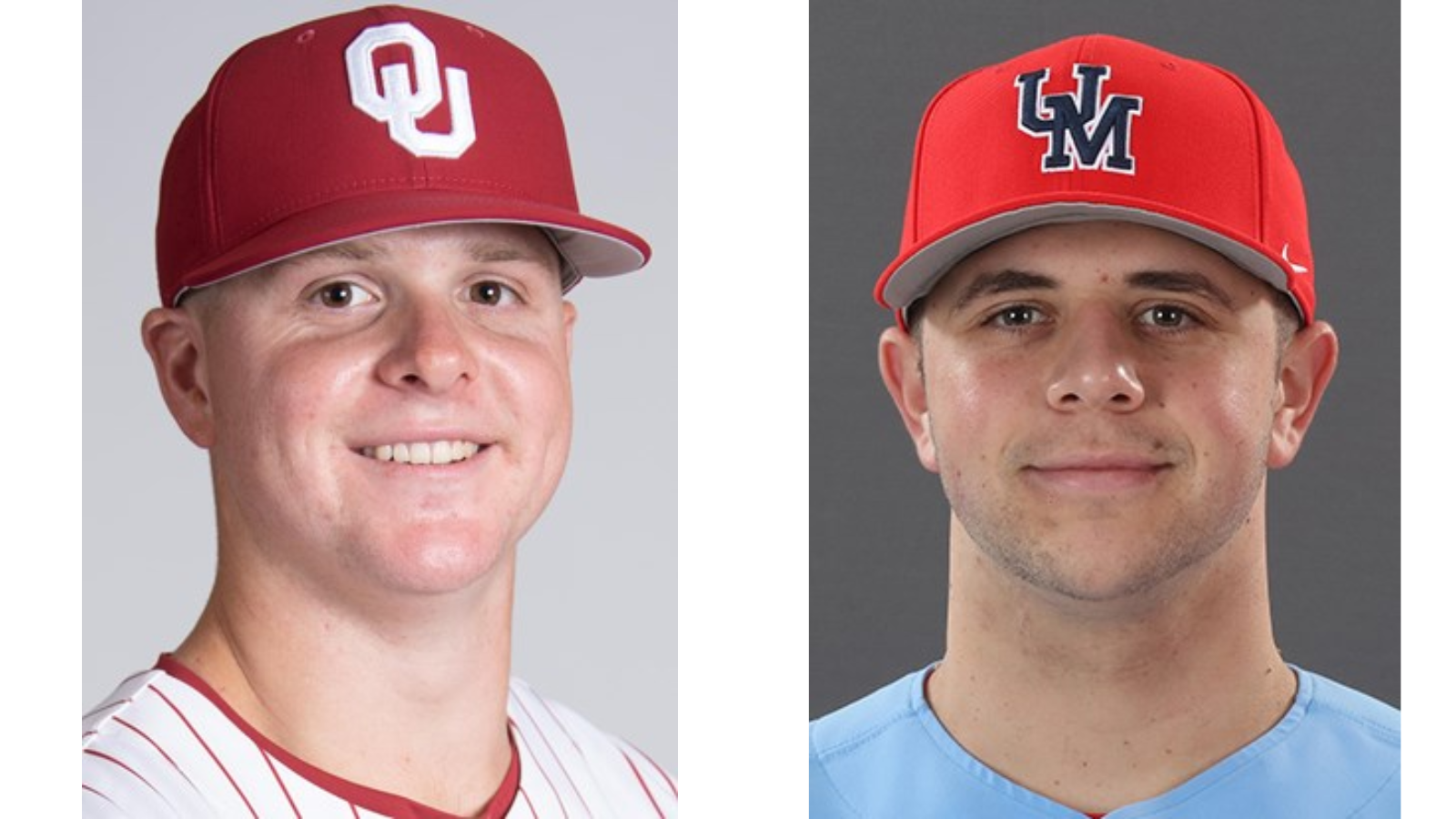
    The College Baseball World Series provided plenty of great performances, none bigger than the pitching of Cade Horton from Oklahoma and Dylan DeLucia from Ole Miss.

    Cade Horton:

    Cade Horton dominated with a newly-found slider he learned from teammate Ben Abram just 3 weeks prior. The pitch has sharp late action and good depth in the upper 80s. It’s turning into an elite pitch as it darts underneath bats.

    Horton leaned heavily on the slider which has become a true plus pitch for him that flashes plus-plus now. With a standard slider grip and a simple thought process behind it, he throws it like a fastball until the very last moment, when he gets out in front of it.

    The result is a pitch that gets tremendous depth and is tight in spin, making it hard to pick up.

    Add in an explosive fastball with late life and some natural cut, along with a nice big curve in the low to mid-80s and you get a pitcher whose confidence and his draft stock have skyrocketed with each pitch.

    Horton produced a gaudy stat line in Omaha:

    13 1/3 IP, 9 H, 4 ER, 1 BB, and 24 strikeouts!

    Yes, 24 strikeouts, including 13 Rebels in the 2nd game of the CWS Finals, the most in a Finals appearance.

    Dylan DeLucia:

    Dylan DeLucia was a major reason why Ole Miss lifted the trophy in Omaha this season. The big right-hander became the dominant force of the CWS.

    Collecting 2 wins in 16 2/3 IP with 1 ER, 8 H, 0 BB, and 17 K over two starts, the 22-year-old junior relentlessly attacked hitter after hitter.

    DeLucia uses his fastball with late life and arm-side movement and a short mid-80s slider to attack the lower part of the strike zone.

    DeLucia showed no fear going right at hitters he demonstrated consistent control of the strike zone and just enough command to miss bats and barrels.

    Even when DeLucia had a slider back up on him or a fastball miss in the zone, batters could not square him up in the CWS.

    The pair of pitches work in tandem and stay on the same plane to the plate throughout the first 50 or so feet. The combo works well movement-wise with a short late break in two opposite directions just getting the ball off the barrel of the bat.

    DeLucia had a great feel for his slider and fastball, but even when DeLucia had a slider back up on him or a fastball miss in the zone, batters could not square him up. The righty has good deception in his delivery and got swings and misses in and out of the zone.

    He worked in and out of trouble to reach the CWS finals against Arkansas. When DeLucia’s Ole Miss team needed it the most he delivered the best performance of his college career: Nine shutout innings of four-hit ball. He was the ultimate competitor that day and demonstrated a bulldog mentality on the mound in both of his CWS starts.


    DeLucia won “Most Outstanding Player” at the College World Series and delivered on the biggest stage in college baseball by being fearless and going right at hitters.

    Both DeLucia and Horton showed that a belief in your pitches and confidence to command not only the strike zone but a presence to command the mound can go a long way in succeeding.

  • Dominance Deep Dive: Roki Sasaki’s Perfect Game

    Dominance Deep Dive: Roki Sasaki’s Perfect Game

    Nippon Professional Baseball (NPB),  Japan’s professional baseball league, has featured three no-hitters and one perfect game so far in the 2022 season. 

    What fascinated me about these is the uniqueness and similarities of each of these three starts, as well as how the quest for perfection or hitless ball by a pitcher can be achieved by three completely different approaches to pitching. 

    I’m going to review those four games, one in this article and the other three in the near future. 

    Rōki Sasaki’s Perfect Game 

    On April 10, arguably the best pitcher in Japan and one of the best on the planet right now, dazzled. 

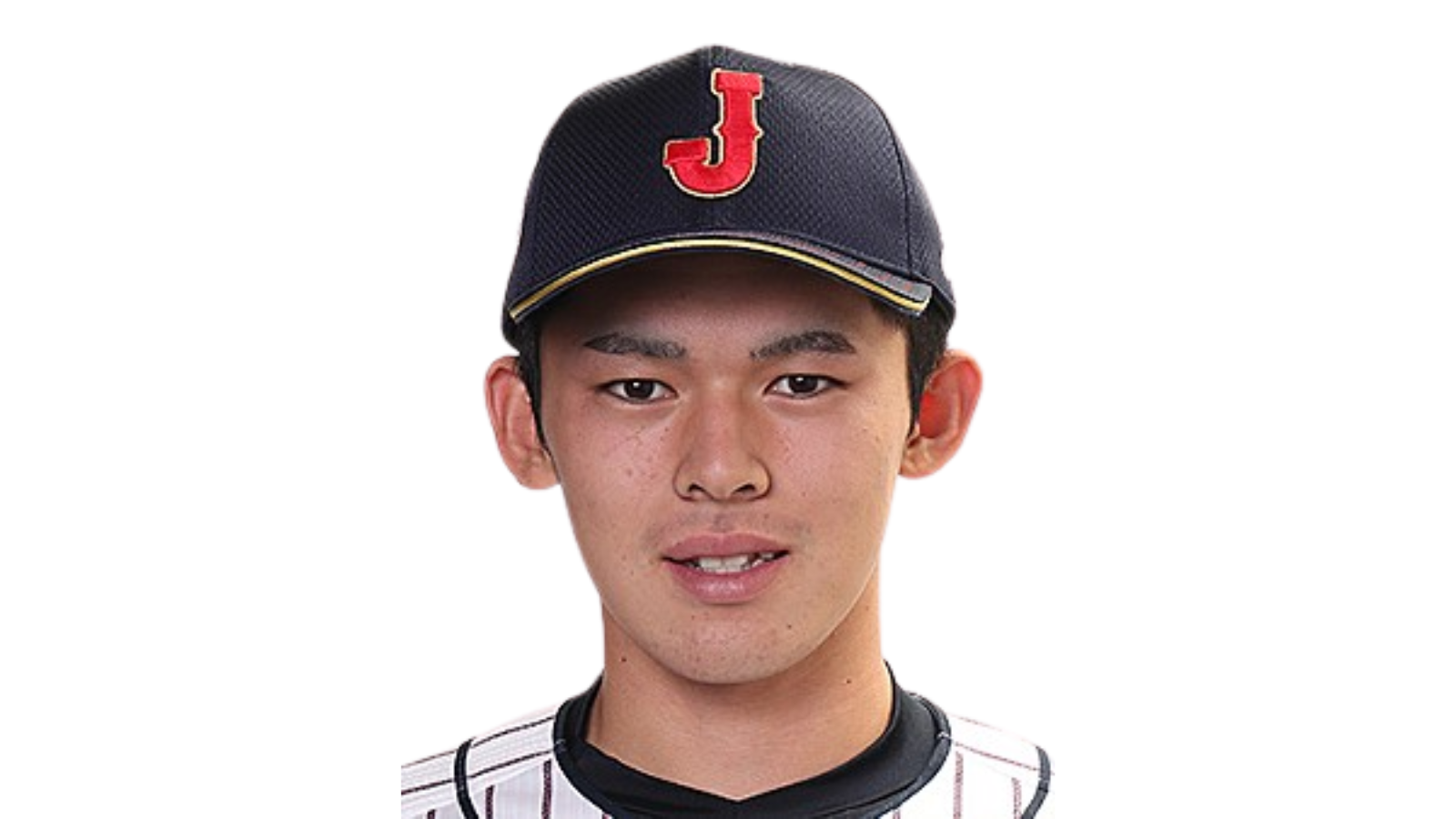
    Twenty-year-old Rōki Sasaki of the Chiba Lotte Marines tossed the first perfect game in 28 years, striking out 19 Orix Buffaloes during the game. 

    Sasaki masterfully filled the strike zone with 82 strikes and just 23 balls.

    Sasaki pounded the zone with a first-pitch exploding fastball in 21 of the 27 at-bats. It averaged 99 MPH and touched 102 that day.

    Sasaki’s fastball displays late life and pops through the  zone, and when he is dialed in he commands the inner and outer thirds of the plate and loves to work down in the zone.

    The fastball, especially knee-high, sets up his go-to pitch: a nasty splitter that batters constantly swing over the top of.

    This dive-bomb splitter comes in at around 91 mph and masquerades as his four-seam fastball for 50 feet before darting down into the ground.


    Sasaki displays the unique ability to manipulate the pitch and cut the splitter too, creating movement more like a slider when thrown to right-handers. When this happens, the pitch takes off and darts away from righties.

    In the picture below, Sasaki fades this splitter away, applying even pressure on the ball, where he’s more worried about the pronation or the turning of his arm over, and letting the pitch run away from a left-handed batter.

    This pitch variation allows Sasaki to be a dominant two-pitch pitcher, as he threw only three curveballs and three sliders during the perfect outing – two pitches behind his stellar fastball and splitter. And that he has great feel for the splitter at this stage of his career – that’s highly impressive.

    The slider is getting better, but he lacks the excellent command of his splitter and currently the curveball is a get-me-over change-of-speed in the upper 70s. Oftentimes, both breaking pitches were used early in counts to keep hitters honest. The four-pitch mix is still crazy impressive from the young Sasaki, but the split remains his go-to weapon as was the case in his perfect outing.

    With the ability to control the strike zone and attack the lower third, Sasaki’s splitter and fastball cause serious problems for hitters. He struck out 15 Buffaloes with the split and the other four with fastballs that were on the black and in the middle of the zone.

    The attacking of the zone down with an elite fastball causes hitters to commit early on his nasty splitter that can drop out of the zone in the blink of an eye.

    This approach is a stark contrast to most other starters in the league and most of baseball.

    Sasaki is a true unicorn on the mound and creates a completely different pitching profile than what hitters see on a daily basis.


  • College Baseball Prospect Rankings: No. 4 Ty Madden

    College Baseball Prospect Rankings: No. 4 Ty Madden

    Over the next couple weeks leading up to the 2021 MLB Amateur Draft, Sports Info Solutions will be publishing a series of scouting reports from three of our Video Scouts for the top-10 collegiate draft prospects and five honorable mentions. Each player is graded by the 20-80 scouting scale, given a comprehensive evaluation, and assigned a floor and a ceiling comparison, which indicate–if a player makes the Major Leagues–the range of the type of player into which he can develop.

    To read all the reports, click here.

    TY MADDEN, RHP

    College University of Texas (RS SO. 2021)
    Bio R/R 6-3, 215 lbs.
    Date of Birth 2/21/2000
    Fastball 55(60)
    Slider 50(60)
    Curveball 50(55)
    Changeup 35(45)
    Control 50(55)
    Future Value 55

    Written by Brandon Tew

    Analysis:

    While Madden’s future value doesn’t stack up to some of the pitchers behind him on our list, his proven track record and limited injury history pushed him higher in our rankings. Madden’s success in the Big 12 Conference and his workhorse mentality will make him a 1st round pick on July 11. Madden possesses all the tools to become an MLB pitcher, with two-plus pitches and above-average control. Madden could reach the Majors faster than some of his draft mates. 

    Early College Career:

    Taking the mound early in his freshman year in Austin. Madden quickly proved his reliability to the Texas coaching staff. Appearing in 15 games with 8 starts, Madden tossed a solid 42 1/3 innings with a 4-1 record and 3.40 ERA. Serving as the Saturday starter in the Covid-19 shortened 2020 season, Madden struck out 26 batters and walked only 4 over 25 innings pitched. He posted a dominant 1.80 ERA to go along with his outstanding K/BB ratio. Madden showed his potential in 2020 to be a top-of-the-line starter in the country and didn’t disappoint in 2021.

    2021:

    Madden was handed the keys to the car this season as Texas’ ace. He faced the 2021 national champions out of the gate in Mississippi State on Feb. 20 and showed glimpses of his plus fastball and slider combo. He struck out 5 Bulldogs in 4 innings. He followed that performance with consecutive scoreless outings against BYU and Houston. He struck out 25 Cougars in those two games, including a 14-strikeout shutout against Houston on March 5.

    Madden continued to dominate Big 12 competition, surrendering 3 ER or more only twice during conference play. He routinely pitched deep into games past the 100-pitch mark.

    Madden would face Mississippi State two more times during the season, this time in the College World Series, which would be his last two starts of 2021. He pitched brilliantly in both allowing only 2 ER in each contest and striking out 18 batters in 13 innings. In a must-win game on June 25, Madden earned the win for his team, demonstrating his competitive mindset and big-game attitude.

    Over the course of the season, Madden proved to be one of the most consistent Friday night starters in the nation. With a 2.45 ERA and a 3.1 K/BB ratio, Madden climbed up draft boards into the top half of the 1st round.

    Scouting Report:

    Madden is a strong, sturdily built right-handed power pitcher who is more comfortable working down in the zone than up. He has a plus fastball that sits at 94-96 mph, and he routinely reaches back for more, even touching 99 mph this season. Madden added velocity from his first two seasons in Austin when he sat 90-93 mph.

    While his fastball doesn’t have spectacular movement, it works and plays up with his command and control of the pitch. He throws strikes consistently with it hitting triple-digits on the radar gun, and can spot the pitch down in the zone with a little sinking action to the pitch. That said,  Madden must improve his command of the pitch if he’s going to continue throwing this type of fastball. He can leave it up in the zone and miss high and arm side. Madden still allows hard contact on the pitch when it’s up.

    Madden’s slider is his best pitch and he utilizes it against both lefties and righties. The breaking ball is tight and has great late action to it with a slider profile that is more prevalent now in baseball than ever. The pitch has a sharp break and stays in the tunnel with his fastball extremely well.

    When thrown properly the gyroscopic spin of the ball pulls the pitch down hard towards the plate. The three best sliders from college pitchers in this draft all possess this spin profile. Madden could have a plus-plus slider like Sam Bachman and Kumar Rocker if he’s able to create more depth to the pitch and command it even better. Madden has a solid plus combo in his slider and fastball.

    His command of both his fastball and slider down and glove side adds to the deception of both pitches. Being able to spot the ball down and across his body creates a unique tunneling action for the pitch as it comes out of his hand and stays on the downward plane. The slider bites late and dives down and into a LHBs back foot and away from the barrel of a RHB. The next evolution of both pitches is the ability to throw the fastball with better command to his arm side and throw the slider with even better command for a strike. The combo is disgustingly good when thrown with power and command and is the reason Madden is seen as a prospect that is likely to make the majors. 

    Madden rarely throws his curveball and he throws it more as an offering early in counts to keep hitters honest and try to steal a strike. With Madden’s ability to throw the pitch consistently for a strike or at the very least miss at the top of the zone. It could become an above-average offering for him just to sprinkle into his arsenal with his fastball and slider as a third pitch.

    If the curveball doesn’t become a reliable third pitch then he needs his changeup to progress. It’s a fringe-average pitch that he could use really well for lefties. He almost exclusively threw the pitch to LHBs this season and used it sparingly. The pitch has traits of a quality changeup but he needs to generate confidence in the pitch if he is going to use it in pro ball. Whether it’s the curveball or changeup, Madden needs a reliable third pitch to emerge if he wants a chance to reach his potential as a starter for an MLB team.

    Summation:

    At the end of the day Madden is the prototypical right handed power pitcher that MLB teams dream of on draft day. He has a smooth and effortless delivery and less injury risk than most. Madden throws a lethal fastball and slider combination that could make him at the very least a productive MLB reliever. The separator for Madden will be the improvement of his command and the development of a quality third pitch. Madden’s lesser risk for injury and his proven track record make him tantalizing as a prospect for teams as a 1st-round pick in this Draft.

    Projection:

    A right-handed power pitcher with a plus-fastball-and-slider combo that will make him a productive MLB pitcher as a starter or reliever if he reaches the big leagues.

    Ceiling: Carlos Carrasco

    Floor:  Daniel Bard

    Draft Expectation: Top-15 pick


  • College Baseball Prospect Rankings: No. 2 Asa Lacy

    College Baseball Prospect Rankings: No. 2 Asa Lacy

    2020 MLB Draft Top 5 College Baseball Prospect Rankings

    Leading up to the 2020 MLB Amateur Draft, Baseball Info Solutions will be publishing a series of position-by-position scouting reports from two of our Video Scouts for the top 5 collegiate draft prospects and two honorable mentions. Each player is graded by the 20-80 scouting scale, given a comprehensive evaluation, and assigned a floor and a ceiling comparison, which indicate–if a player makes the Major Leagues–the range of the type of player into which he can develop.

    #2                                     

    Asa Lacy, LHP

    Texas A&M University (JR, 2020)

    L/L 6-4, 215 lbs.

    Date of Birth: 6/2/1999

    Fastball- 60 (70) Curveball- 45 (50) Slider- 60(70) Changeup- 45(55) Control- 45(55)

    Future Value: 60

    Written by Brandon Tew

    Analysis

    Lacy is the best pitching prospect in the 2020 MLB Draft and it is because he turned himself into the unquestioned ace in College Station. Lacy rocketed up draft rankings and on the radar of scouts based on what he did his sophomore season. Lacy had a stellar campaign tossing a 2.13 ERA in 15 starts, led Division I in fewest hits allowed per 9 innings (5.0), and ranked eighth in strikeouts per 9 (13.2). Showing swing-and-miss ability, that also produces weak contact as batters rarely square his pitches.

    Throwing with a fluid motion Lacy stays on balance and in rhythm. He creates a great downhill plane out of his high 3/4 arm slot. With Lacy shifting over more to the third base side of the pitching rubber he has been able to increase his downward movement while hiding the ball very well behind his back leg. He glides more to the arm side of his body towards first base and this causes him to throw across his body as he uncoils to the plate with max effort. Although, that might scare some injury-wise, his durable frame and build can hold up with this delivery and the added deception only elevates his pitches. 

    Throwing a plus fastball with increased velocity and vertical break, Lacy has also improved the spin rate of the pitch. This leads to an explosive fastball in the mid-’90s that stays at the top of the zone and misses bats. Lacy can easily reach back and hit 97 mph.

    Lacy could have one of the best 4-seamers in baseball in a few years. His new and improved slider truly launched his draft stock. Arguably, the best projectable pitch in this draft. Lacy’s slider is more gyroscopic in spin, meaning it spins like a football spiraling towards the plate as gravity causes the ball to pull down to the ground. The result is a wipeout slider that ducks underneath the bat of a righty and down-and-away from lefties while being hard and tight.

    Lacy is special because he can manipulate the spin on this pitch. He can get a tighter spin on the ball or more of a sweeping action to it. He can also turn the slider into more of a cutter depending on the situation and how he wants to attack a hitter but it is at its best when it’s hard and diving to the plate.

    Lacy’s favorite pitch to throw is his changeup, a circle change with great depth and run, without losing arm action on the pitch allowing it to still look like a fastball at release. He still needs more consistency with the pitch but Lacy’s willingness to throw it to start at-bats as well as to end them is a promising sign. 

    Lacy’s command and control is the biggest issue. With a 4.4 BB/9, his Sophmore season he did improve that mark over the first three starts of this season lowering it slightly to 3.0. Unfortunately, the season was cut short after those three starts. The control and command issues are concerning as Lacy continues to work on honing his powerful offerings.

    Although, he looked to turn the corner in this aspect during his last start of the season. Throwing seven innings of no-hit ball while striking out 13 against a New Mexico State lineup that featured Nick Gonzales and some other pro prospects.

    He was pinpoint accurate during the start commanding his fastball and slider well. Lacy has a proven track record of striking out the best competition in college baseball carving up the SEC last season. His command has been suspect, but the performance against New Mexico State to end his college career only highlights Lacy can command the zone.

    Summation:

     A highly-competitive, elite, pitching prospect with two plus pitches that have a real chance to be 70 on the 20-80. Lacy lacks consistent command right now but has shown flashes of excellent control and command. With an advanced understanding of how to pitch and three potential above-average offerings depending on the development of his changeup. A potential dominant top of the rotation starter and future ace. Lacy is so dominant at points that if he reaches his true potential, he could start an All-Star game at some point in his MLB career.

    Projection: 

    All-Star potential starter, with an elite fastball and slider combo, that possesses a solid four-pitch mix

    Ceiling: David Price

    Floor: Matthew Boyd

    Draft Expectation: Top-3 Pick

  • College Baseball Prospect Rankings No. 5 Nick Gonzales

    College Baseball Prospect Rankings No. 5 Nick Gonzales


    Over the 10 days leading up to the 2020 MLB Amateur Draft, Baseball Info Solutions will be publishing a series of position-by-position scouting reports from two of our Video Scouts for the top-5 collegiate draft prospects and two honorable mentions. Each player is graded by the 20-80 scouting scale, given a comprehensive evaluation, and assigned a floor and a ceiling comparison, which indicate–if a player makes the Major Leagues–the range of the type of player into which he can develop.

    #5  Nick Gonzales, 2B

    New Mexico State (JR, 2020)

    R/R 5-10, 190 lbs

    Date of Birth: 5/27/1999

    Hit- 40 (60) Power- 40 (55) Run- 50 (50) Arm- 45 (45) Field- 45 (50)

    Future Value: 55

    NMStateSports.com

    Written by Corey Leaden & Brandon Tew

    Analysis

    Not many players had a better 2019 then Nick Gonzales, who took home numerous awards across regular and summer league play. He’s a 2019 All- American, NCAA batting champ (hitting .432), and the Cape Cod League MVP. After his top-notch summer against baseball’s top prospects, he started 2020 with a blistering effort over 58 at-bats; he had 12 HR, and was batting .448 before season was cut short. There were questions about the level of competition Gonzales was facing at New Mexico State, but he put almost all those questions to rest after his MVP performance in the premier wood bat Cape Cod League.

    Gonzales looks super-comfortable at the plate standing with an open stance shoulder-width apart and a slight bat waggle in his setup. The relaxed nature of his setup allows him to stay calm and fire his hands at the baseball later than other guys would. That means he lets the ball travel deeper in the zone and can stay back on breaking pitches longer. After the slight bat waggle, the lumber gets into an optimal position to square up the baseball. This allows Gonzales to end up with his energy heading toward the pitcher and in rhythm. Gonzales has great balance and is willing to work the count. An advanced hitter with a plan in every at-bat.

    Almost every swing he takes is short and compact as he rarely overswings to try and produce power.

    The raw power Gonzales has is greater than his in-game pop right now although he is progressing nicely and has the potential to reach average to slightly above-average power for his position. The New Mexico State product’s willingness to drive the ball gap-to-gap allows him to display some opposite-field power, which is a great sign that he can continue to add a power component to his bat. The way Gonzales takes pitches and always seems in rhythm again displays an advanced understanding at the plate that will help him early on his pro career.

    Gonzales is an average defender, smooth and fluid at second base. He will make all the routine plays and works well to get around the baseball and keeps himself in control. However, when he gets to the ball, he is sure handed. He turns a quick pivot at second on double-plays and while his arm is below average the quickness with which he gets the ball out allows him to still make plays.

    Summation

    The best potential hit tool in the 2020 Draft, while all other tools are projected to be average. A top of the lineup guy, who will get on base at an incredible clip. The question lies in what can be developed of his other tools.

    Projection

    Everyday second baseman, who can be an elite leadoff guy.

    Ceiling: Dustin Pedroia
    Floor:  Tony Graffanino
    Draft Expectation: Top 10 Pick